


What Cadillac Warranty Covers And What It Doesn’t
Every Cadillac is built with precision, where engineering, comfort, and control are designed to work together seamlessly. That same level of intention extends into warranty coverage, but understanding what that coverage actually means requires more than reviewing a list of terms. Many drivers assume warranty protection is broad and automatic, yet the reality is more structured. Cadillac warranty coverage is built around how vehicle systems function, how components are expected to wear, and how responsibility is divided between manufacturer and owner. When those distinctions are clear, ownership becomes more predictable and easier to navigate over time.
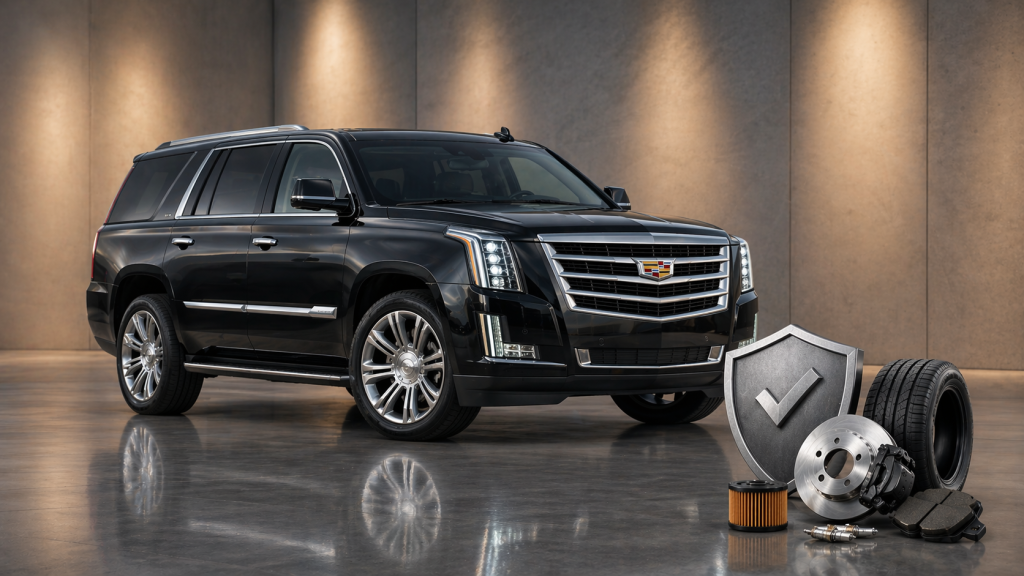
How Cadillac Warranty Coverage Is Structured Across Vehicle Systems
Many drivers begin by asking what Cadillac warranty coverage actually includes. Cadillac warranty coverage is structured around defects in materials or workmanship, meaning it protects systems that fail due to how they were built rather than how they are used.
In a vehicle like the Cadillac Escalade, this structure applies across multiple systems, including electrical components, infotainment systems, drivetrain elements, and interior features. Each of these systems is expected to perform within a defined range under normal conditions.
Warranty coverage works by identifying whether a failure is caused by a defect or by external factors such as usage, environment, or time. This distinction is critical because it determines whether a repair is covered.
Read the rest of this entry »For more than a century, Cadillac has shaped the idea of what an SUV can be by pairing presence with purpose. Today, that vision extends in two distinct directions. The Cadillac Escalade continues with a V8 engine rooted in combustion, while the Escalade IQ introduces a fully electric platform built around battery powered motion. Many drivers are not simply comparing specifications. They are trying to understand how these two systems change the experience of ownership, from how power is delivered to how daily routines are shaped. The difference between electric and V8 Escalade models is not just mechanical. It defines how the vehicle fits into your life over time.
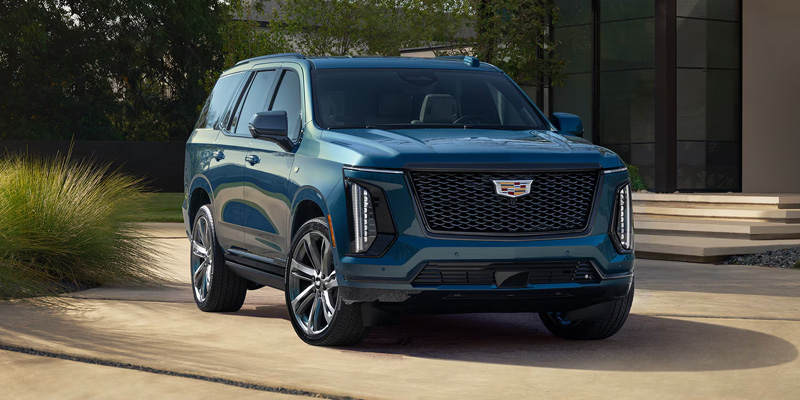
How Escalade IQ, Escalade, And Escalade ESV Actually Differ
Many drivers ask whether the Escalade IQ is the same as the Escalade ESV, especially since both names sit within the same lineup. The Escalade IQ is a fully electric SUV built on a battery powered platform, while the Escalade and Escalade ESV are gas powered SUVs that differ primarily in size rather than how they are powered.
In the Escalade IQ, the vehicle is engineered around an electric architecture. Energy is stored in a large battery and delivered through electric motors, which changes how power is produced, how the vehicle accelerates, and how it is maintained over time.
In the standard Cadillac Escalade, a V8 engine generates power through combustion. This system delivers a familiar driving experience with consistent fueling behavior and established maintenance patterns.
The Escalade ESV builds on that same V8 system but extends the overall length of the vehicle. This added length increases rear passenger space and cargo capacity without changing how the vehicle is powered.
Read the rest of this entry »Cadillac vehicles are known for a distinct ride quality that feels smoother, quieter, and more controlled than many standard vehicles. Many drivers researching Cadillac suspension systems ask why that difference exists and what is required to maintain it over time. Ride quality is not created by a single component. It is the result of how the Cadillac suspension system manages road input, controls vehicle motion, and maintains tire contact with the road surface.
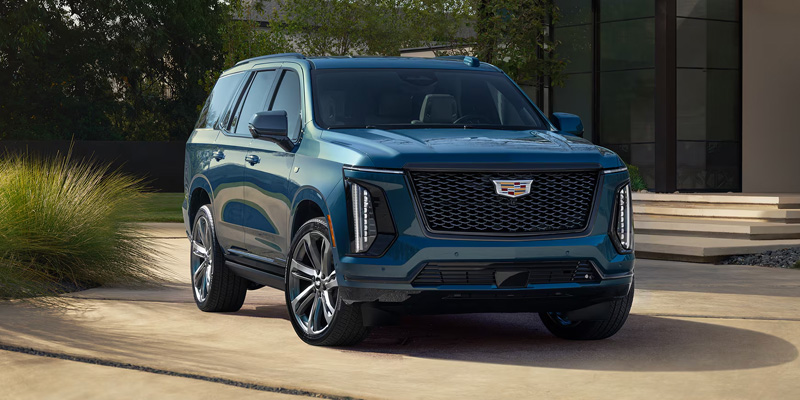
Understanding how Cadillac suspension components function and how they wear allows owners to identify changes in ride quality early and maintain the level of comfort expected from a luxury vehicle.
How Cadillac Suspension Systems Create a Smooth Ride
Many drivers ask why Cadillac vehicles ride so smoothly compared to other SUVs and sedans. A suspension system is a network of components that connects the vehicle to the wheels while controlling how forces from the road are absorbed and distributed.
The Cadillac suspension system is engineered to isolate the cabin from road imperfections while maintaining stability. This is achieved through a combination of suspension geometry, damping control, and component tuning that prioritizes smooth motion without sacrificing control.
Read the rest of this entry »Buying a used Cadillac XT5 is not just about finding the right price. Many shoppers researching a used Cadillac XT5 want to know whether it will be reliable long term, which model years are the best to choose, and what to inspect before making a purchase. The XT5 is designed as a luxury midsize SUV with a focus on ride comfort, quiet cabin experience, and refined driving behavior, but those qualities depend heavily on how its core systems perform over time.

Understanding how the Cadillac XT5 engine options, transmission system, all-wheel drive system, and suspension components work allows buyers to evaluate used models more accurately. Instead of relying on general reliability ratings, this approach helps identify how the vehicle will perform in real ownership.
How Cadillac XT5 Engine Options Affect Reliability and Ownership
Many shoppers ask whether the Cadillac XT5 is reliable and which engine is better for long-term ownership. An engine is the primary mechanical system that generates power by converting fuel into motion, and its design influences both performance and durability.
The Cadillac XT5 3.6L V6 engine uses a naturally aspirated design, meaning it does not rely on forced air from a turbocharger. This results in more consistent power delivery and fewer high-pressure components. Because the system operates without forced induction, it generally experiences lower internal stress over time, which can support long-term durability when properly maintained.
Read the rest of this entry »Cadillac EV Lineup Guide: How OPTIQ, LYRIQ, VISTIQ, and Escalade IQ Actually Differ in Real Use
Cadillac’s transition to electric vehicles is not simply a change in propulsion. It is a complete redesign of how vehicles are structured, how they deliver power, and how they support different driving needs. Many shoppers researching the Cadillac EV lineup are trying to understand which model fits their lifestyle and how electric vehicles change ownership compared to a gasoline SUV.
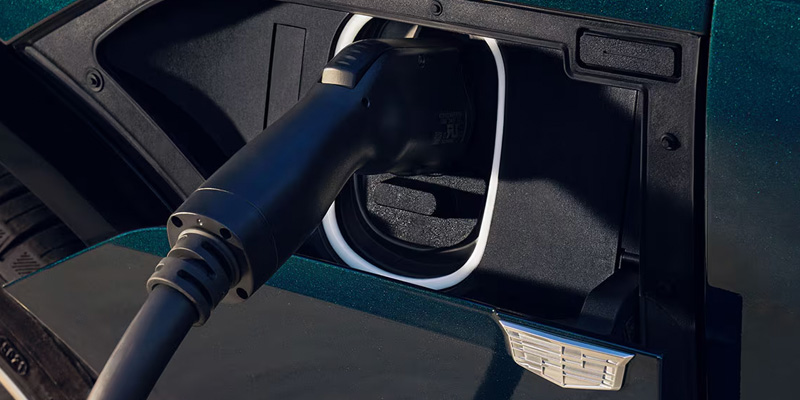
The confusion comes from how the lineup is often presented. Cadillac OPTIQ, Cadillac LYRIQ, Cadillac VISTIQ, and Cadillac Escalade IQ are frequently positioned as a size progression. In reality, each model is engineered around a specific ownership use case. The differences come from battery capacity, charging behavior, weight distribution, and passenger packaging, not just exterior dimensions.
How Cadillac EV Architecture Changes Cabin Space and Driving Behavior
Many shoppers researching Cadillac EVs ask what the Ultium platform is and how it actually changes the vehicle. A dedicated EV platform is a vehicle architecture that integrates the battery into the floor structure, eliminating the need for a traditional engine layout and central driveline components.
The Cadillac LYRIQ battery layout creates a flat floor structure, which increases rear passenger legroom and allows for a more open cabin design. Without a center tunnel, rear seating positions are more natural, especially during longer trips.
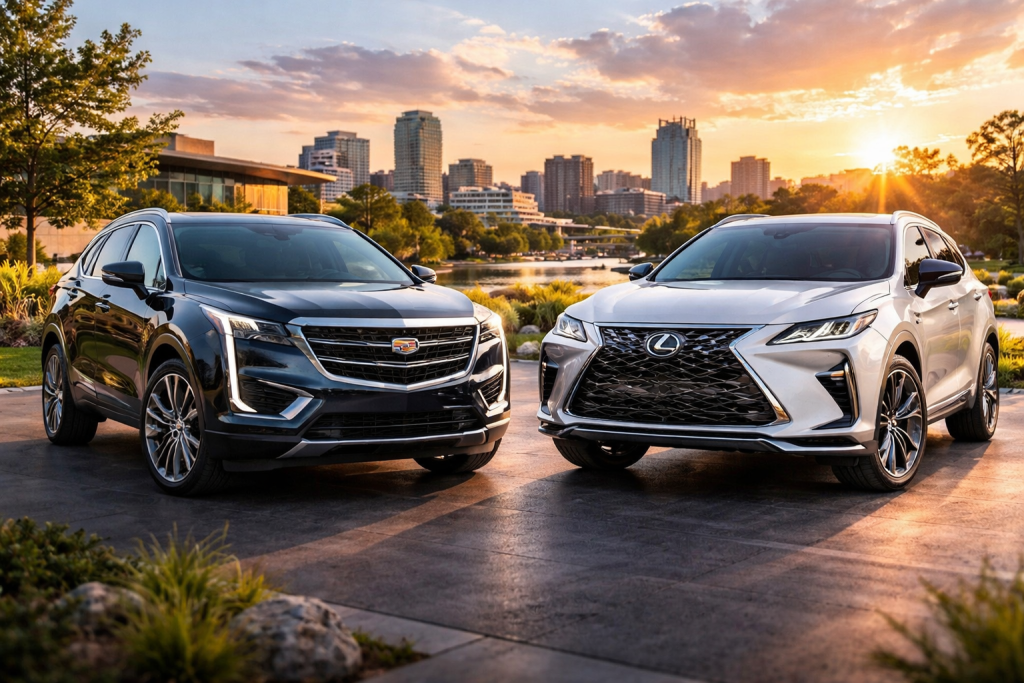
Read the rest of this entry »Luxury SUV shoppers comparing the Cadillac XT5 and Lexus RX are typically trying to answer one core question: which vehicle delivers a better balance of comfort, technology, and everyday usability. While both models compete in the same segment, they take noticeably different approaches to ride quality, interior design, and driver interaction. Understanding how these systems actually work is what allows buyers to make a confident decision.
Interior Craftsmanship and Passenger Comfort
Many shoppers researching the Cadillac XT5 vs Lexus RX want to understand how their interiors differ beyond surface level materials. The Cadillac XT5 interior focuses on a driver-centered layout with clean integration of controls, while the Lexus RX interior emphasizes layered design and a more sculpted dashboard approach.
The Cadillac XT5 seating system is engineered with structured cushioning and support zones that distribute body weight more evenly. This reduces pressure points during longer drives and helps minimize fatigue. The Lexus RX seating design often prioritizes softer initial cushioning, which can feel comfortable at first contact but may provide less long-distance support depending on driver preference.
Read the rest of this entry »Wheel alignment is not just a tire service. In a Cadillac, it is a calibration of suspension geometry, steering input, and chassis balance. Modern Cadillac vehicles use advanced suspension systems, electronic stability controls, and in many models Magnetic Ride Control. When alignment angles shift, those systems cannot perform at their intended precision.
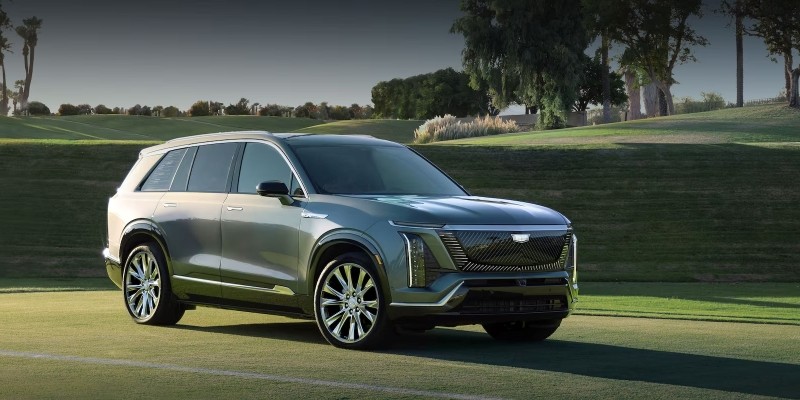
Understanding what alignment actually adjusts and why it matters helps protect ride quality, tire life, and long-term handling integrity.
What Wheel Alignment Actually Adjusts
A four-wheel alignment measures and corrects three primary angles: camber, caster, and toe. These are not cosmetic settings. They define how your tires meet the road.
Camber
Camber refers to the inward or outward tilt of the tire when viewed from the front of the vehicle.
- Negative camber means the top of the tire leans inward.
- Positive camber means it leans outward.
Improper camber causes uneven tire wear on the inner or outer edges and can reduce straight-line stability.
Caster
Caster is the forward or rearward tilt of the steering axis when viewed from the side.
- Proper caster supports steering stability at highway speeds.
- Uneven caster side-to-side can cause the vehicle to pull.
Cadillac Escalade Used Buyer’s Guide: Best Model Years, Platform Changes, and What to Evaluate Before You Buy
A used Cadillac Escalade is not just a large SUV purchase. It is a platform decision. Over the past two decades, the Escalade has evolved across multiple chassis architectures, powertrain generations, and suspension systems. Each generation carries distinct mechanical strengths, interior upgrades, and long-term ownership considerations.
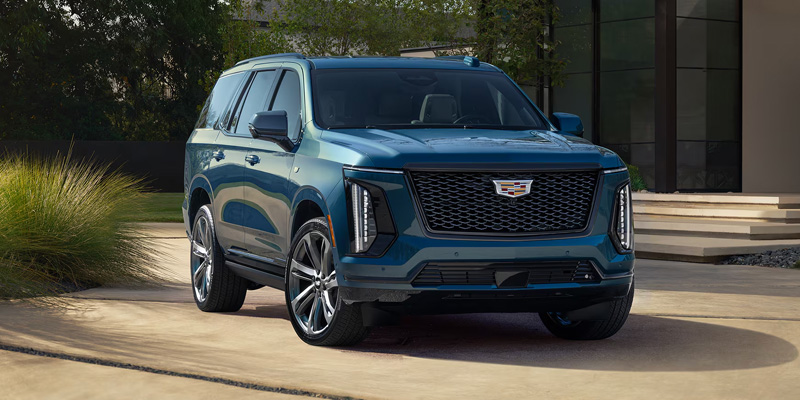
If you are evaluating a pre-owned Escalade, the most important factor is understanding which generation you are buying and how its engineering differs.
Escalade Generations and Platform Evolution
2007 to 2014 – GMT900 Platform
This generation introduced the 6.2L V8 as standard in most trims, replacing earlier 6.0L applications. Output was strong for the time, and the platform retained body-on-frame construction shared with GM’s full-size truck architecture.
Key Characteristics:
Read the rest of this entry »Cadillac LYRIQ Charging Explained: Home Setup, Fast Charging Speeds, and Real-World Range
The Cadillac LYRIQ is built on GM’s Ultium EV platform, engineered around a large-format battery pack and high-capacity charging architecture. Understanding how it charges means understanding three things: battery size, charging power levels, and how real-world charging curves behave.
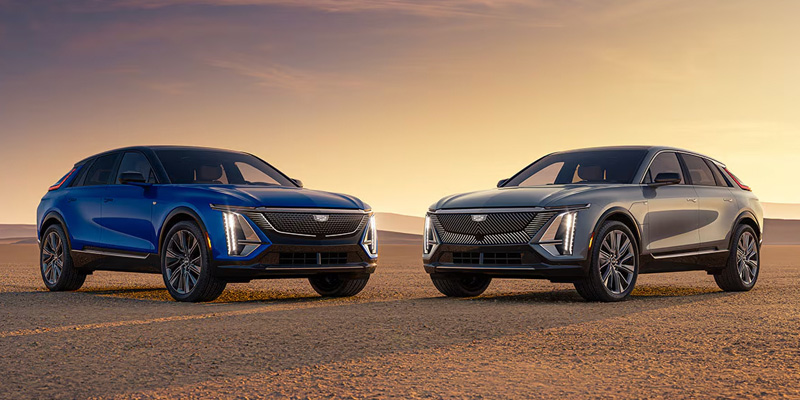
If you are considering an electric SUV, the key questions are practical. How long does it take to charge at home? How fast is DC fast charging on a road trip? How many miles do you gain in ten minutes? This guide breaks down those answers with system-level clarity.
Battery Architecture and Capacity
The LYRIQ uses a 102 kWh Ultium battery pack. That capacity determines both maximum driving range and how much energy must be replenished during charging.
Estimated range varies slightly by configuration, but rear-wheel-drive versions typically deliver over 300 miles on a full charge under EPA testing. All-wheel-drive versions may see a slight range adjustment due to added drivetrain load.
Battery size directly affects charging time. A larger battery provides more range but also requires more energy input during a full recharge. That is where charging speed and power level matter.
Read the rest of this entry »When comparing the Cadillac XT5 and XT6, the decision centers on space architecture, seating configuration, and how each vehicle supports daily use. Both SUVs share Cadillac’s design language and available powertrains, but they are engineered for different ownership priorities. One prioritizes two-row balance and maneuverability. The other is built around three-row flexibility and expanded passenger capacity.

Understanding how their platforms, dimensions, and interior packaging differ is what makes the comparison meaningful.
Platform and Size: How Much Larger Is the XT6?
The XT5 is classified as a midsize two-row SUV. The XT6 is a longer, three-row midsize SUV built on an extended wheelbase version of GM’s C1 platform.
Key dimensional differences:
Read the rest of this entry »Connect with us