


Wheel alignment is not just a tire service. In a Cadillac, it is a calibration of suspension geometry, steering input, and chassis balance. Modern Cadillac vehicles use advanced suspension systems, electronic stability controls, and in many models Magnetic Ride Control. When alignment angles shift, those systems cannot perform at their intended precision.
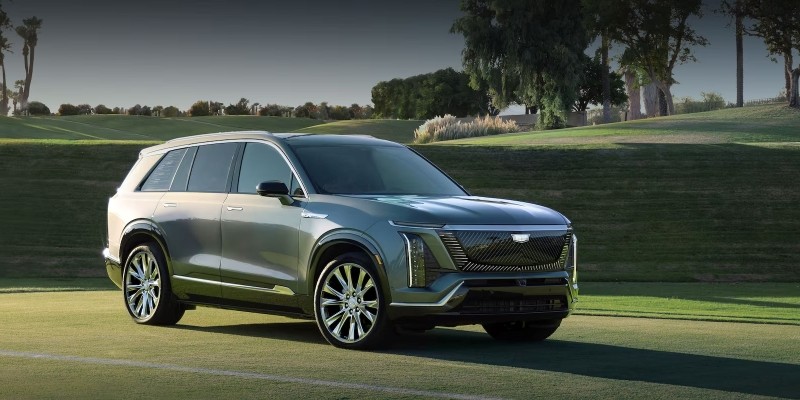
Understanding what alignment actually adjusts and why it matters helps protect ride quality, tire life, and long-term handling integrity.
What Wheel Alignment Actually Adjusts
A four-wheel alignment measures and corrects three primary angles: camber, caster, and toe. These are not cosmetic settings. They define how your tires meet the road.
Camber
Camber refers to the inward or outward tilt of the tire when viewed from the front of the vehicle.
- Negative camber means the top of the tire leans inward.
- Positive camber means it leans outward.
Improper camber causes uneven tire wear on the inner or outer edges and can reduce straight-line stability.
Caster
Caster is the forward or rearward tilt of the steering axis when viewed from the side.
- Proper caster supports steering stability at highway speeds.
- Uneven caster side-to-side can cause the vehicle to pull.
Cadillac Escalade Used Buyer’s Guide: Best Model Years, Platform Changes, and What to Evaluate Before You Buy
A used Cadillac Escalade is not just a large SUV purchase. It is a platform decision. Over the past two decades, the Escalade has evolved across multiple chassis architectures, powertrain generations, and suspension systems. Each generation carries distinct mechanical strengths, interior upgrades, and long-term ownership considerations.
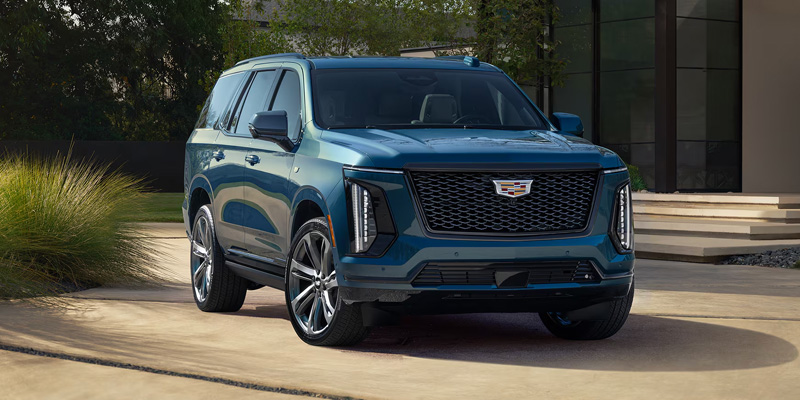
If you are evaluating a pre-owned Escalade, the most important factor is understanding which generation you are buying and how its engineering differs.
Escalade Generations and Platform Evolution
2007 to 2014 – GMT900 Platform
This generation introduced the 6.2L V8 as standard in most trims, replacing earlier 6.0L applications. Output was strong for the time, and the platform retained body-on-frame construction shared with GM’s full-size truck architecture.
Key Characteristics:
Read the rest of this entry »Cadillac LYRIQ Charging Explained: Home Setup, Fast Charging Speeds, and Real-World Range
The Cadillac LYRIQ is built on GM’s Ultium EV platform, engineered around a large-format battery pack and high-capacity charging architecture. Understanding how it charges means understanding three things: battery size, charging power levels, and how real-world charging curves behave.
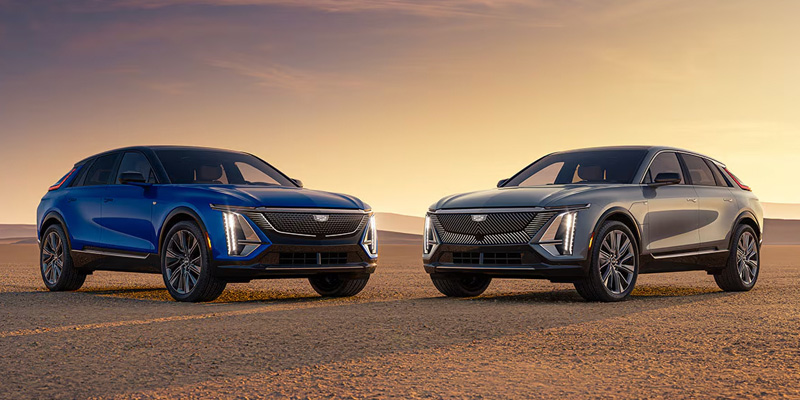
If you are considering an electric SUV, the key questions are practical. How long does it take to charge at home? How fast is DC fast charging on a road trip? How many miles do you gain in ten minutes? This guide breaks down those answers with system-level clarity.
Battery Architecture and Capacity
The LYRIQ uses a 102 kWh Ultium battery pack. That capacity determines both maximum driving range and how much energy must be replenished during charging.
Estimated range varies slightly by configuration, but rear-wheel-drive versions typically deliver over 300 miles on a full charge under EPA testing. All-wheel-drive versions may see a slight range adjustment due to added drivetrain load.
Battery size directly affects charging time. A larger battery provides more range but also requires more energy input during a full recharge. That is where charging speed and power level matter.
Read the rest of this entry »When comparing the Cadillac XT5 and XT6, the decision centers on space architecture, seating configuration, and how each vehicle supports daily use. Both SUVs share Cadillac’s design language and available powertrains, but they are engineered for different ownership priorities. One prioritizes two-row balance and maneuverability. The other is built around three-row flexibility and expanded passenger capacity.

Understanding how their platforms, dimensions, and interior packaging differ is what makes the comparison meaningful.
Platform and Size: How Much Larger Is the XT6?
The XT5 is classified as a midsize two-row SUV. The XT6 is a longer, three-row midsize SUV built on an extended wheelbase version of GM’s C1 platform.
Key dimensional differences:
Read the rest of this entry »Cadillac Brake Service Guide: When to Replace Brakes and Signs Luxury Vehicles Should Not Ignore
Brake systems in modern Cadillacs are engineered for precise control, consistent pedal feel, and confident stopping power under a wide range of driving conditions. Unlike basic braking systems, Cadillac brake components operate within tighter tolerances and rely on integrated electronic monitoring. Understanding how these systems wear, how warning signs present themselves, and why timing matters is essential to maintaining safety and performance.
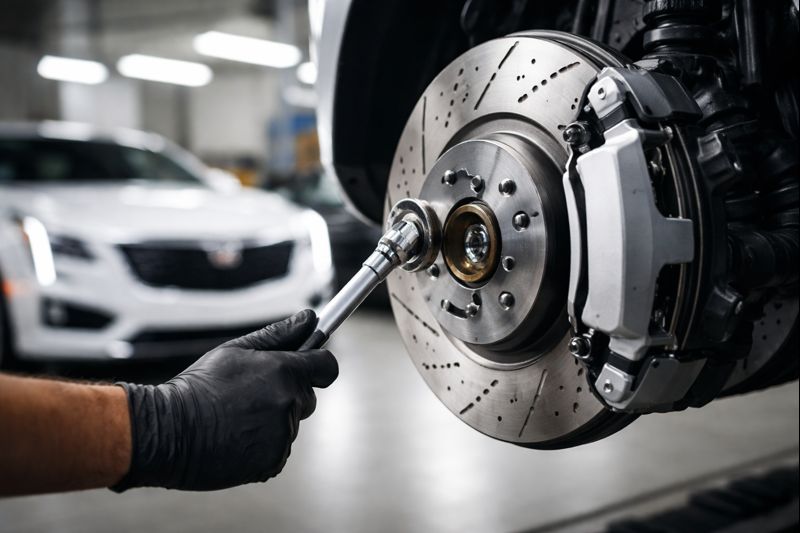
This guide explains how Cadillac brake systems function, what causes wear, and how to recognize when service is required before damage or safety risks escalate.
How Cadillac Brake Systems Work
At a system level, braking involves more than pads pressing against rotors. Cadillac brake systems are designed to balance stopping power, heat management, and smooth operation while working in coordination with traction control, stability systems, and driver assistance features.
Key components include:
Read the rest of this entry »Shopping for a used Cadillac sedan often comes down to balancing performance, comfort, technology, and long term ownership confidence. The ATS, CT4, and CT5 represent three distinct stages in Cadillac’s modern sedan evolution. Understanding how these models differ mechanically, how they drive, and what ownership looks like over time helps buyers choose the right used sedan for their needs rather than simply the newest nameplate.
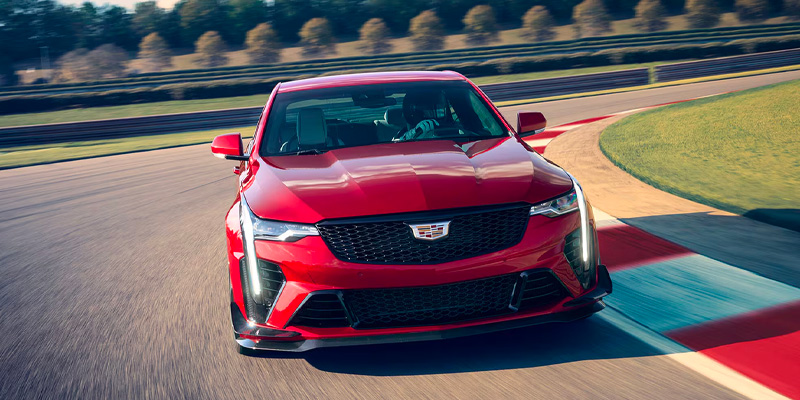
This guide focuses on platform design, powertrain behavior, reliability patterns, and daily usability to support informed used vehicle decisions.
Cadillac ATS Foundation and Ownership Profile
The Cadillac ATS was engineered during a period when Cadillac placed heavy emphasis on rear wheel drive dynamics and chassis balance. Built on a compact rear wheel drive platform, the ATS earned a reputation for sharp handling and precise steering that appealed to drivers who valued engagement over softness.
Most ATS models are equipped with turbocharged four cylinder engines or available V6 options depending on model year. These engines deliver strong performance relative to vehicle size, but ownership experience depends heavily on maintenance history. Regular oil changes and cooling system care are especially important in turbocharged ATS models to support long term reliability.
From a daily driving standpoint:
Read the rest of this entry »Cadillac’s electric SUV lineup is built around a shared foundation, but the OPTIQ and LYRIQ are designed to serve different ownership needs. Both models use GM’s Ultium architecture, yet differences in size, battery configuration, drivetrain availability, and interior space create distinct real world experiences. Understanding how these systems work and how they affect daily driving, charging habits, and long term usability is the key to choosing the right Cadillac EV.
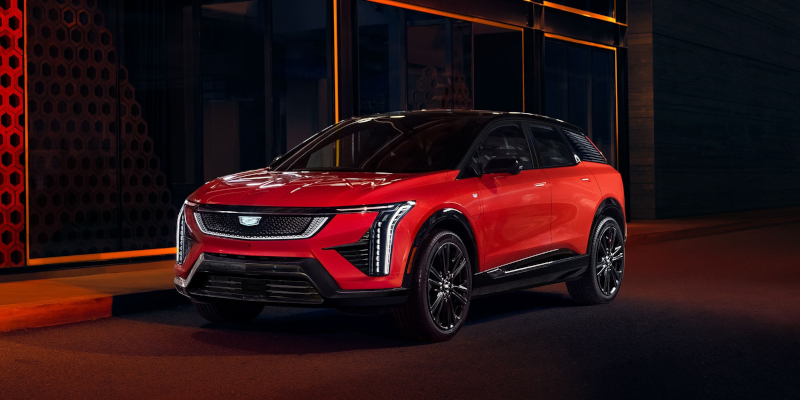
This comparison focuses on range behavior, charging performance, vehicle scale, and functional differences rather than surface level design cues.
Ultium Platform Architecture and What It Means
Both the OPTIQ and LYRIQ are built on the Ultium electric vehicle platform. Ultium is a modular battery and motor system that allows Cadillac to scale performance and range by adjusting battery capacity, motor count, and vehicle size rather than redesigning the entire drivetrain for each model.
At a system level, this means:
Read the rest of this entry »Choosing between the 2026 Cadillac CT4 and CT5 comes down to how you drive, how much space you need, and what kind of performance character you expect from a modern luxury sedan. While both models are built on Cadillac’s rear wheel drive based architecture and share a similar design language, they are engineered to serve different priorities in daily ownership.
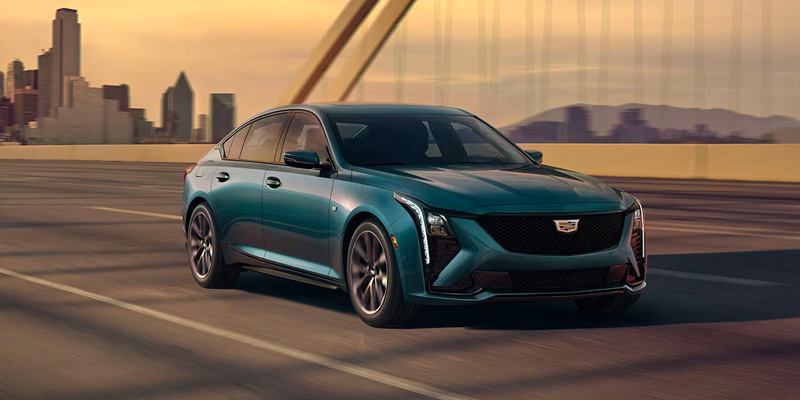
This comparison explains how the CT4 and CT5 differ at a system level, focusing on platform size, powertrain behavior, suspension tuning, interior space, and real world usability so buyers can make an informed decision.
Platform Size and Driving Feel
The most fundamental difference between the CT4 and CT5 is platform scale.
The CT4 is positioned as a compact luxury sedan. Its shorter wheelbase and lighter curb weight contribute to a more agile driving feel, particularly in city traffic and on tighter roadways. Steering response is quicker, and the chassis reacts immediately to driver inputs. This results in a sedan that feels engaging and easy to place, especially for drivers who value precision over isolation.
The CT5 moves into the midsize luxury sedan segment. A longer wheelbase and wider track provide improved straight line stability and a smoother ride over uneven pavement. At highway speeds, the CT5 feels more composed and settled, with less vertical movement over expansion joints and rough surfaces.
In everyday use this translates to:
Read the rest of this entry »Cold Weather Tips for Cadillac Drivers Battery Performance Electrical Checks and Winter Prep
Cold weather places unique stress on modern vehicles, particularly those equipped with advanced electrical systems. Cadillac vehicles are engineered with sophisticated electronics, comfort features, and driver assistance technology, all of which rely on stable electrical performance. Understanding how winter temperatures affect batteries and electrical systems helps prevent unexpected issues and supports confident cold weather driving.
Why Cold Weather Impacts Battery Performance
A vehicle battery produces power through chemical reactions. As temperatures drop, these reactions slow, reducing available output. At the same time, cold engines require more energy to start, creating a dual strain scenario.
Key cold weather effects include:
- Reduced battery capacity during low temperatures
- Increased electrical demand during engine startup
- Thicker engine fluids increasing starter load
Even a battery that performs adequately in warm conditions can struggle once temperatures fall.
Modern Cadillac Electrical Demand
Cadillac vehicles rely on electrical systems more extensively than older vehicles. Before the engine even starts, systems activate to manage security, climate control presets, infotainment memory, and driver assistance readiness.
Electrical demand factors include:
- Digital displays and control modules powering on immediately
- Electronic power steering and braking support systems
- Comfort features such as seat heating and defrost systems
This immediate demand makes battery health critical during winter starts.
Common Cold Weather No Start Scenarios
Many winter starting issues are not sudden failures but the result of gradual battery degradation exposed by cold temperatures.
Typical warning signs include:
- Slower engine cranking
- Dimming interior or exterior lights during startup
- Delayed system boot up or warning messages
- Intermittent starting success
Ignoring these signs often leads to a complete no start situation during the coldest mornings.
Electrical System Checks Beyond the Battery
While the battery is the most visible component, the broader electrical system plays a role in winter reliability.
Important inspection areas include:
- Battery terminals and cable condition
- Charging system output ensuring the battery is replenished during driving
- Starter motor efficiency under load
- Ground connections maintaining consistent voltage flow
A healthy battery cannot perform properly if the supporting system is compromised.
Winter Driving Habits That Affect Battery Life
Short trips are especially hard on batteries in winter. Frequent starts without sufficient driving time prevent full recharging.
Winter habits that increase strain include:
- Multiple short drives per day
- Extended use of defrost and heated features
- Vehicle sitting unused for long periods
Adjusting driving patterns or performing regular system checks helps mitigate these effects.
Proactive Winter Preparation for Cadillac Owners
Preparing for winter is less about reacting to failure and more about verifying readiness.
Effective winter preparation includes:
- Battery testing before sustained cold weather
- Electrical system inspection to confirm proper charging
- Ensuring terminals are clean and secure
- Verifying proper operation of defrost and heating systems
These steps reduce the likelihood of cold weather breakdowns and protect sensitive electronics.
EV and Hybrid Considerations in Cold Weather
Electric and electrified Cadillac models also experience cold weather effects, though in different ways.
Cold temperatures can:
- Reduce temporary driving range
- Increase energy use for cabin heating
- Slow charging speed until battery temperature stabilizes
Understanding these behaviors helps owners plan winter driving more confidently.
Long Term Benefits of Seasonal Electrical Maintenance
Winter electrical maintenance is not only about avoiding inconvenience. It also protects long term system health.
Benefits include:
- Reduced stress on starters and charging components
- Improved reliability of driver assistance systems
- Consistent performance of comfort and safety features
For Cadillac owners, maintaining electrical integrity supports the refined driving experience the brand is known for.
Final Owner Perspective
Cold weather reveals weaknesses in batteries and electrical systems that may go unnoticed during warmer months. By understanding how winter conditions affect modern Cadillac vehicles and addressing issues proactively, drivers maintain reliability, comfort, and confidence throughout the season.
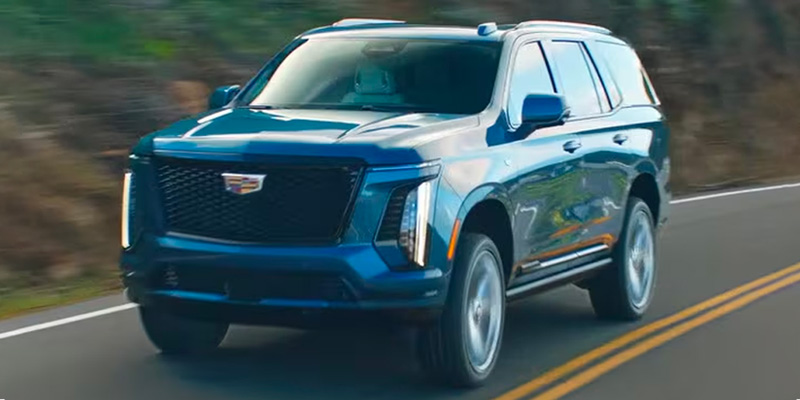
The Cadillac Escalade is engineered to deliver presence, capability, and refinement at a scale few SUVs attempt. Its appeal is not rooted in excess for its own sake, but in how space, technology, and material quality work together to create a controlled, confident driving experience. Understanding how Escalade trims differ and how its systems function in real use is essential for buyers evaluating full-size luxury SUVs.
Platform and Structural Intent
Escalade is built on a full-size body-on-frame platform designed to support significant passenger load, cargo capacity, and long-term durability. This architecture allows Cadillac to deliver interior volume and stability that unibody SUVs cannot match.
Key platform characteristics include:
- High load capacity without compromising ride composure
- Structural rigidity supporting advanced suspension systems
- Elevated driving position enhancing visibility and control
This foundation is what enables Escalade to feel composed rather than cumbersome, even at its size.
Interior Space and Passenger Comfort
Escalade interior space is designed to be used, not merely measured. All three rows are engineered for adult comfort, not occasional seating.
Passenger experience highlights:
- Generous legroom across all rows
- Wide seating surfaces improving long-distance comfort
- Flat load floor when seats are folded for cargo flexibility
Cargo space behind the third row supports real luggage and gear, not just small items. With seats folded, Escalade transitions easily from people mover to cargo hauler without compromise.
Suspension and Ride Control Systems
Ride quality is one of Escalade’s defining traits. Its suspension systems actively manage road conditions and vehicle load.
Core systems include:
- Adaptive suspension adjusting damping in real time
- Magnetic ride control responding to road inputs within milliseconds
- Load leveling behavior maintaining ride height under passenger or cargo weight
These systems allow Escalade to isolate occupants from road imperfections while preserving control at highway speeds.
Technology as a Core Feature
Technology in Escalade is integrated into the driving and ownership experience rather than layered on top.
Key technology areas buyers evaluate:
- Curved display interface presenting navigation, vehicle data, and media with clarity
- Advanced driver assistance systems reducing fatigue on long drives
- Surround vision and parking assistance supporting maneuverability
Technology is designed to enhance awareness and confidence, not distract from driving.
Trim Level Differentiation Explained
Escalade trims are structured to escalate experience, not simply add cosmetic changes.
Lower trims establish:
- Full size luxury space
- Comprehensive safety and infotainment systems
- Strong material quality
Mid trims add:
- Enhanced interior finishes
- Additional driver assistance and convenience features
- Expanded technology integration
Upper trims focus on:
- Premium materials and craftsmanship
- Advanced comfort features
- Visual distinction aligned with Cadillac’s design language
Understanding trim differences helps buyers select a configuration that aligns with how the vehicle will be used daily.
Ownership Considerations at Full Size Scale
Escalade ownership reflects its size and capability.
Important factors include:
- Fuel use aligned with vehicle mass
- Tire and brake wear proportional to size
- Maintenance intervals designed for long-term durability
For buyers who regularly carry passengers or value maximum interior presence, these considerations are part of the Escalade experience.
Escalade’s Role in the Luxury SUV Segment
Escalade is not designed to blend into the luxury SUV landscape. It is engineered to lead through space, technology, and confidence rather than minimalism.
Its value lies in:
- Delivering comfort without constraint
- Providing technology that scales with size
- Maintaining composure under real world demands
Final Buyer Perspective
The Cadillac Escalade remains the reference point for full-size luxury SUVs because it integrates space, technology, and refinement into a cohesive experience. Buyers who understand how its systems and trims align with their needs are rewarded with an SUV that delivers presence with purpose.