Blog / Hammond Cadillac Dealer

Blog

All Hammond Cadillac Dealer Hammond Cadillac Service Ross Downing Cadillac Service 2025 Cadillac XT4 Awards Cadillac XT5 Car Care & Service Escalade IQ Hammond Used Pre Owned Cadillac
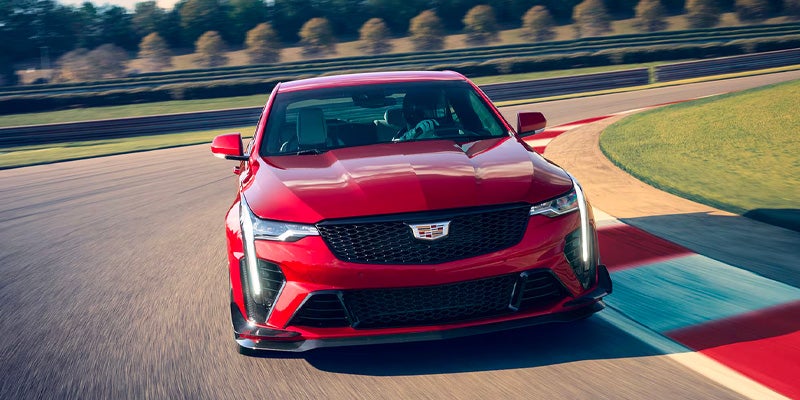
A red Cadillac sedan with vertical headlights drives on a racetrack.

Best Used Cadillac Sedans ATS, CT4 and CT5 Model Year Guide for Louisiana Buyers

Shopping for a used Cadillac sedan often comes down to balancing performance, comfort, technology, and long term ownership confidence. The ATS, CT4, and CT5 represent three distinct stages in Cadillac’s modern sedan evolution. Understanding how these models differ mechanically, how they drive, and what ownership looks like over time helps buyers choose the right used sedan for their needs rather than simply the newest nameplate. This guide focuses on platform design, powertrain behavior, reliability patterns, and daily usability to support informed used vehicle decisions. Cadillac ATS Foundation and Ownership Profile The Cadillac ATS was engineered during a period when Cadillac placed heavy emphasis on rear wheel drive dynamics and chassis balance. Built on a compact rear wheel drive platform, the ATS earned a reputation for sharp handling and precise steering that appealed to drivers who valued engagement over softness. Most ATS models are equipped with turbocharged four cylinder engines or available V6 options depending on model year. These engines deliver strong performance relative to vehicle size, but ownership experience depends heavily on maintenance history. Regular oil changes and cooling system care are especially important in turbocharged ATS models to support long term reliability. From a daily driving standpoint: ATS offers confident handling and road feel Ride quality is firmer than newer Cadillac sedans Interior technology reflects its production era with smaller displays and fewer advanced driver assistance systems For buyers prioritizing driving feel and value, a well maintained ATS can still be a rewarding used option, particularly for drivers who spend more time behind the wheel than in the rear seat. Transition from ATS to CT4 The CT4 replaced the ATS as Cadillac modernized its compact sedan lineup. While both vehicles share rear wheel drive DNA, the CT4 reflects a shift toward broader daily usability and improved refinement. CT4 models benefit from updated chassis tuning that softens ride harshness without eliminating driver engagement. Turbocharged four cylinder engines remain central to the lineup, delivering smoother torque delivery and better integration with modern transmissions. These changes result in improved drivability in stop and go traffic and more relaxed highway cruising. Interior updates are one of the most noticeable differences for used shoppers: Larger infotainment displays Improved interface responsiveness More advanced driver assistance availability Better sound insulation compared to ATS From an ownership perspective, the CT4 generally offers fewer age related concerns simply due to newer production years. Buyers evaluating used CT4 models should still review service records, but overall reliability trends benefit from updated electronics and powertrain refinements. Cadillac CT5 Step Up in Size and Comfort The CT5 moves Cadillac sedan ownership into a midsize category. Built on a longer wheelbase, the CT5 delivers a more composed ride and greater interior space than both the ATS and CT4. Powertrain options range from turbocharged four cylinder engines to available twin turbo V6 configurations. The V6 models provide stronger highway performance and reduced engine strain during extended driving, which can contribute to a smoother ownership experience for high mileage drivers. The CT5’s larger platform offers tangible benefits: Improved rear seat legroom More stable ride at highway speeds Better isolation from road imperfections Increased cargo flexibility For buyers who regularly drive with passengers or value long distance comfort, the CT5 often represents the best balance of luxury and practicality in Cadillac’s used sedan lineup. Reliability and Model Year Considerations Reliability across ATS, CT4, and CT5 models varies more by maintenance and production updates than by nameplate alone. Earlier ATS models may require closer inspection of suspension components and electronic systems simply due to age. Later production ATS models tend to show improved durability as Cadillac refined systems over time. CT4 and CT5 models benefit from more recent engineering updates, including improved infotainment stability and better integration of driver assistance technology. Buyers should still evaluate: Consistent service history Software update records Brake and suspension wear Transmission service intervals None of these sedans are inherently unreliable, but ownership experience improves significantly when preventative maintenance is prioritized. Daily Driving and Long Term Use Choosing the right used Cadillac sedan depends on how the vehicle will be used. ATS is well suited for drivers who: Enjoy responsive handling Prefer a compact footprint Want rear wheel drive dynamics at a lower entry point CT4 fits drivers who: Want modern technology in a compact luxury sedan Value balanced ride quality Use the vehicle primarily for commuting and daily driving CT5 is best aligned with drivers who: Need more passenger and cargo space Drive longer distances regularly Prefer a calmer, more refined ride Each model serves a different purpose, and selecting the right one improves satisfaction far more than simply choosing the newest option available. Maintenance Expectations for Used Cadillac Sedans Luxury sedans require consistent care, and Cadillac is no exception. Maintenance costs are generally higher than non luxury sedans, but predictable when systems are serviced properly. Key ownership considerations include: Turbocharged engine oil service intervals Brake system wear depending on driving style Suspension component inspection on higher mileage vehicles Software updates for infotainment and driver assistance systems When maintained correctly, these sedans are capable of delivering long service life and strong daily usability. Final Perspective The ATS, CT4, and CT5 each represent a distinct chapter in Cadillac’s sedan evolution. The ATS delivers performance oriented value, the CT4 balances modern refinement with compact luxury, and the CT5 offers space, comfort, and power suited for broader ownership needs. Understanding platform differences, powertrain behavior, and maintenance expectations allows buyers to choose a used Cadillac sedan that aligns with their driving habits and long term goals.
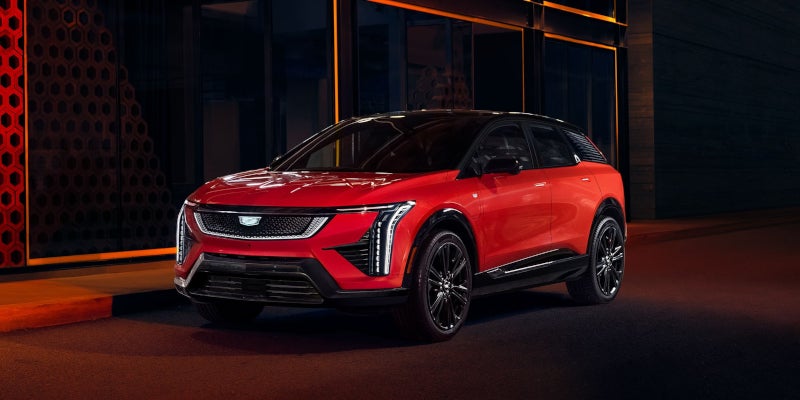
A red Cadillac electric SUV is parked on a street at night.

Cadillac OPTIQ vs LYRIQ: Electric SUV Range, Charging & Feature Comparison

Cadillac’s electric SUV lineup is built around a shared foundation, but the OPTIQ and LYRIQ are designed to serve different ownership needs. Both models use GM’s Ultium architecture, yet differences in size, battery configuration, drivetrain availability, and interior space create distinct real world experiences. Understanding how these systems work and how they affect daily driving, charging habits, and long term usability is the key to choosing the right Cadillac EV. This comparison focuses on range behavior, charging performance, vehicle scale, and functional differences rather than surface level design cues. Ultium Platform Architecture and What It Means Both the OPTIQ and LYRIQ are built on the Ultium electric vehicle platform. Ultium is a modular battery and motor system that allows Cadillac to scale performance and range by adjusting battery capacity, motor count, and vehicle size rather than redesigning the entire drivetrain for each model. At a system level, this means: Battery modules are shared across vehicles but configured differently Motors can be tuned for efficiency or higher output Software plays a significant role in power delivery and energy management While the underlying technology is related, the OPTIQ and LYRIQ use different configurations to match their intended roles. Vehicle Size and Daily Usability The OPTIQ is positioned as a compact electric SUV. Its smaller footprint makes it easier to maneuver in urban environments, park in tighter spaces, and navigate daily commuting scenarios. The reduced mass also contributes to improved efficiency, which directly affects real world range. The LYRIQ moves into the midsize electric SUV segment. A longer wheelbase and wider body translate to increased interior volume, especially for rear seat passengers and cargo. The LYRIQ feels more substantial on the road and is better suited for families or drivers who frequently carry passengers. In practical terms: OPTIQ favors city driving and solo or two passenger use LYRIQ favors highway stability, rear seat comfort, and cargo flexibility Battery Capacity and Real World Range Range differences between OPTIQ and LYRIQ are primarily driven by battery size and vehicle mass. The OPTIQ uses a smaller Ultium battery pack designed to balance efficiency and daily driving needs. Its lighter weight allows the vehicle to extract more miles per kilowatt hour, making it well suited for commuters who charge regularly at home or work. The LYRIQ uses a larger capacity battery pack. While the vehicle consumes more energy due to its size, the increased battery capacity delivers a longer overall driving range. This is especially beneficial for drivers who take longer trips or want more flexibility between charging sessions. From an ownership perspective: OPTIQ range is optimized for predictable daily use LYRIQ range supports extended highway travel and fewer charging stops Charging Systems and Charging Time Both vehicles support DC fast charging and Level 2 home charging, but charging behavior differs based on battery size. With DC fast charging, both models can add a meaningful amount of range in a short time window. The OPTIQ’s smaller battery typically reaches higher charge percentages faster because there is less total capacity to fill. This can make quick charging stops feel more efficient in urban or suburban driving patterns. The LYRIQ’s larger battery takes longer to reach a full charge, but it can also accept higher sustained charging power for longer periods. This makes it well suited for highway travel where drivers stop less frequently but want to add significant range during each stop. At home, Level 2 charging differences are more noticeable: OPTIQ typically reaches a full charge overnight LYRIQ may require a longer charging window depending on battery state and charger output Drivetrain and Performance Characteristics Both OPTIQ and LYRIQ offer responsive electric acceleration, but performance tuning differs. The OPTIQ emphasizes smooth, predictable power delivery. Acceleration is immediate, as expected from an electric drivetrain, but tuned for efficiency and daily drivability rather than maximum output. Available all wheel drive improves traction and stability without dramatically impacting range. The LYRIQ offers higher output configurations, particularly in all wheel drive setups. Additional motors increase total power and provide stronger acceleration at highway speeds. This contributes to confident passing and a more performance oriented feel without sacrificing refinement. Drivers will notice: OPTIQ feels light and quick off the line LYRIQ feels stronger and more composed at higher speeds Interior Space and Technology Differences Both vehicles feature Cadillac’s modern digital interface and driver assistance technologies, but scale affects comfort. The OPTIQ’s interior is designed around efficient use of space. Front seat comfort is prioritized, and technology placement emphasizes ease of use for the driver. Rear seat space is sufficient for daily needs but more limited for long trips with adult passengers. The LYRIQ benefits from a wider cabin and longer wheelbase. Rear seat legroom is improved, and cargo capacity supports larger items and family use. The more expansive interior also allows for additional comfort and convenience features in higher trims. Ownership Expectations and Charging Habits Choosing between OPTIQ and LYRIQ often comes down to how and where the vehicle will be used. The OPTIQ is well suited for drivers who: Commute daily and charge at home Prefer a smaller, easier to manage SUV Want efficient electric driving with Cadillac refinement The LYRIQ is better aligned with drivers who: Take longer trips or drive extended highway distances Need additional passenger and cargo space Want greater range flexibility and higher performance capability Both vehicles benefit from Ultium’s software driven energy management, which helps optimize efficiency, charging behavior, and long term battery performance. Final Perspective The Cadillac OPTIQ and LYRIQ share advanced electric technology, but they are engineered for different roles. The OPTIQ delivers compact efficiency and everyday usability, while the LYRIQ provides expanded range, space, and performance for broader driving needs. Understanding how battery size, charging behavior, and vehicle scale affect real world ownership is essential when selecting the right Cadillac electric SUV.

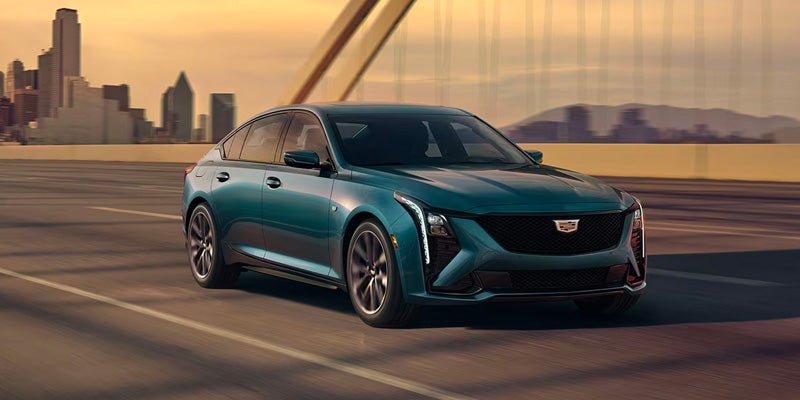
A teal Cadillac sedan drives on a highway with a city skyline in the background.

2026 Cadillac CT4 vs CT5: Key Differences in Performance, Technology & Luxury

Choosing between the 2026 Cadillac CT4 and CT5 comes down to how you drive, how much space you need, and what kind of performance character you expect from a modern luxury sedan. While both models are built on Cadillac’s rear wheel drive based architecture and share a similar design language, they are engineered to serve different priorities in daily ownership. This comparison explains how the CT4 and CT5 differ at a system level, focusing on platform size, powertrain behavior, suspension tuning, interior space, and real world usability so buyers can make an informed decision. Platform Size and Driving Feel The most fundamental difference between the CT4 and CT5 is platform scale. The CT4 is positioned as a compact luxury sedan. Its shorter wheelbase and lighter curb weight contribute to a more agile driving feel, particularly in city traffic and on tighter roadways. Steering response is quicker, and the chassis reacts immediately to driver inputs. This results in a sedan that feels engaging and easy to place, especially for drivers who value precision over isolation. The CT5 moves into the midsize luxury sedan segment. A longer wheelbase and wider track provide improved straight line stability and a smoother ride over uneven pavement. At highway speeds, the CT5 feels more composed and settled, with less vertical movement over expansion joints and rough surfaces. In everyday use this translates to: CT4 prioritizing maneuverability, responsiveness, and ease of parking CT5 prioritizing ride comfort, passenger space, and long distance stability Engine Options and Power Delivery Cadillac differentiates the CT4 and CT5 clearly through their available engine lineups. The CT4 is powered primarily by a turbocharged 2.0L four cylinder engine. This powertrain is tuned to deliver strong low end torque, allowing the vehicle to feel responsive during stop and go driving and light acceleration without requiring high engine speeds. Power delivery is smooth and controlled, supporting efficiency and balanced performance. Available all wheel drive adds confidence in varying road conditions. The CT5 offers a broader range of performance capability. In addition to a turbocharged four cylinder option, the CT5 is available with a twin turbocharged 3.0L V6. This engine provides a significant increase in horsepower and torque, particularly at higher speeds. The result is stronger highway passing power and reduced engine strain during sustained driving. From a real world perspective: CT4 engines emphasize efficiency and agility CT5 engines, especially the V6, emphasize effortless acceleration and sustained performance Suspension Tuning and Ride Quality Although both sedans share a rear wheel drive foundation, suspension calibration differs to align with each model’s purpose. The CT4 suspension is tuned with a firmer baseline, allowing more road feedback through the steering wheel and chassis. This enhances driver engagement and provides a sport oriented feel. Sport focused trims further sharpen suspension response and steering weight, reinforcing the CT4’s performance leaning character. The CT5 suspension is calibrated with greater emphasis on ride isolation and balance. Even when equipped with sport oriented packages, the CT5 absorbs road imperfections more effectively. The longer wheelbase allows the suspension to manage bumps with less cabin disturbance, contributing to a calmer driving experience over longer distances. Drivers often notice: Less rear seat movement in the CT5 Reduced fatigue during extended highway travel Interior Space and Comfort Differences Interior design language is consistent across both models, but physical dimensions significantly affect comfort. In the CT4, the cabin feels driver focused. Front seating offers supportive bolstering and an intimate cockpit layout. Rear seat space is suitable for occasional adult passengers, but legroom is more limited. Trunk capacity supports daily errands and light travel needs. The CT5 benefits from its midsize footprint. Rear seat legroom and shoulder room are improved, making it more accommodating for adult passengers on longer trips. The wider cabin creates a more open feel, and the overall layout supports both driver comfort and passenger usability. Both sedans feature Cadillac’s modern infotainment system with wireless smartphone integration and available driver assistance technologies. Interface design and functionality are similar, though higher CT5 trims may include additional comfort and convenience features. Luxury and Sport Trim Philosophy Trim selection plays a critical role in shaping the driving experience. Luxury oriented trims focus on: Softer suspension tuning Increased sound insulation Comfort focused seating materials Sport oriented trims introduce: Performance tuned suspension components Heavier steering calibration Sport specific exterior and interior accents Because the CT5 begins with a more comfort oriented foundation, its sport trims maintain a higher level of ride refinement compared to similarly equipped CT4 models. Ownership Expectations and Daily Use Lifestyle considerations often determine which sedan is the better fit. The CT4 is well suited for drivers who: Prefer a compact luxury sedan with responsive handling Drive primarily solo or with one passenger Value engagement and agility over maximum cabin space The CT5 is better aligned with drivers who: Prioritize interior room and ride comfort Spend significant time on highways or long commutes Want access to higher output engine options Both vehicles benefit from Cadillac’s focus on chassis balance, steering precision, and modern powertrain engineering. Final Perspective The 2026 Cadillac CT4 and CT5 are designed for different drivers, not different budgets. The CT4 delivers compact luxury with a sport focused personality, while the CT5 offers expanded space, smoother ride quality, and greater power availability. Understanding how platform size, engine options, and suspension tuning affect real world driving is essential to choosing the Cadillac sedan that best matches your daily needs and long term expectations.

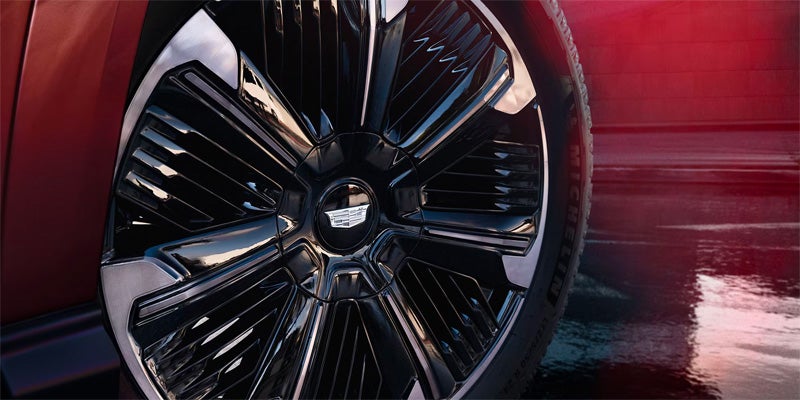
A close up of a black and chrome Cadillac wheel on a red vehicle.

Cold Weather Tips for Cadillac Drivers Battery Performance Electrical Checks and Winter Prep

Cold weather places unique stress on modern vehicles, particularly those equipped with advanced electrical systems. Cadillac vehicles are engineered with sophisticated electronics, comfort features, and driver assistance technology, all of which rely on stable electrical performance. Understanding how winter temperatures affect batteries and electrical systems helps prevent unexpected issues and supports confident cold weather driving. Why Cold Weather Impacts Battery Performance A vehicle battery produces power through chemical reactions. As temperatures drop, these reactions slow, reducing available output. At the same time, cold engines require more energy to start, creating a dual strain scenario. Key cold weather effects include: Reduced battery capacity during low temperatures Increased electrical demand during engine startup Thicker engine fluids increasing starter load Even a battery that performs adequately in warm conditions can struggle once temperatures fall. Modern Cadillac Electrical Demand Cadillac vehicles rely on electrical systems more extensively than older vehicles. Before the engine even starts, systems activate to manage security, climate control presets, infotainment memory, and driver assistance readiness. Electrical demand factors include: Digital displays and control modules powering on immediately Electronic power steering and braking support systems Comfort features such as seat heating and defrost systems This immediate demand makes battery health critical during winter starts. Common Cold Weather No Start Scenarios Many winter starting issues are not sudden failures but the result of gradual battery degradation exposed by cold temperatures. Typical warning signs include: Slower engine cranking Dimming interior or exterior lights during startup Delayed system boot up or warning messages Intermittent starting success Ignoring these signs often leads to a complete no start situation during the coldest mornings. Electrical System Checks Beyond the Battery While the battery is the most visible component, the broader electrical system plays a role in winter reliability. Important inspection areas include: Battery terminals and cable condition Charging system output ensuring the battery is replenished during driving Starter motor efficiency under load Ground connections maintaining consistent voltage flow A healthy battery cannot perform properly if the supporting system is compromised. Winter Driving Habits That Affect Battery Life Short trips are especially hard on batteries in winter. Frequent starts without sufficient driving time prevent full recharging. Winter habits that increase strain include: Multiple short drives per day Extended use of defrost and heated features Vehicle sitting unused for long periods Adjusting driving patterns or performing regular system checks helps mitigate these effects. Proactive Winter Preparation for Cadillac Owners Preparing for winter is less about reacting to failure and more about verifying readiness. Effective winter preparation includes: Battery testing before sustained cold weather Electrical system inspection to confirm proper charging Ensuring terminals are clean and secure Verifying proper operation of defrost and heating systems These steps reduce the likelihood of cold weather breakdowns and protect sensitive electronics. EV and Hybrid Considerations in Cold Weather Electric and electrified Cadillac models also experience cold weather effects, though in different ways. Cold temperatures can: Reduce temporary driving range Increase energy use for cabin heating Slow charging speed until battery temperature stabilizes Understanding these behaviors helps owners plan winter driving more confidently. Long Term Benefits of Seasonal Electrical Maintenance Winter electrical maintenance is not only about avoiding inconvenience. It also protects long term system health. Benefits include: Reduced stress on starters and charging components Improved reliability of driver assistance systems Consistent performance of comfort and safety features For Cadillac owners, maintaining electrical integrity supports the refined driving experience the brand is known for. Final Owner Perspective Cold weather reveals weaknesses in batteries and electrical systems that may go unnoticed during warmer months. By understanding how winter conditions affect modern Cadillac vehicles and addressing issues proactively, drivers maintain reliability, comfort, and confidence throughout the season.

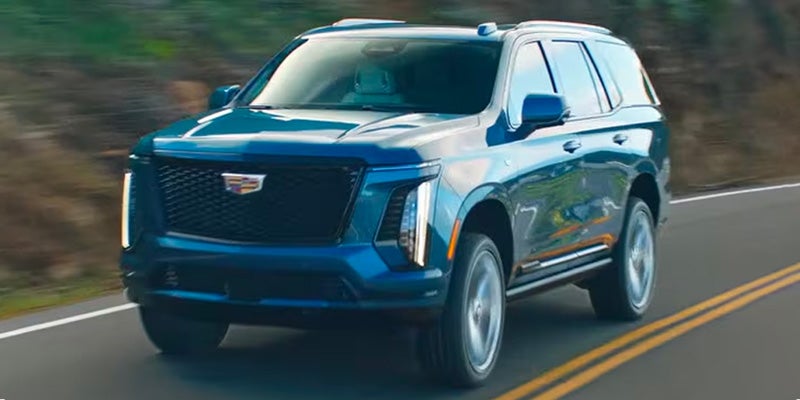
A blue Cadillac Escalade SUV drives on a paved road with a blurred background.

Cadillac Escalade Feature Breakdown Space Tech and Premium Trim Differences for 2025

The Cadillac Escalade is engineered to deliver presence, capability, and refinement at a scale few SUVs attempt. Its appeal is not rooted in excess for its own sake, but in how space, technology, and material quality work together to create a controlled, confident driving experience. Understanding how Escalade trims differ and how its systems function in real use is essential for buyers evaluating full-size luxury SUVs. Platform and Structural Intent Escalade is built on a full-size body-on-frame platform designed to support significant passenger load, cargo capacity, and long-term durability. This architecture allows Cadillac to deliver interior volume and stability that unibody SUVs cannot match. Key platform characteristics include: High load capacity without compromising ride composure Structural rigidity supporting advanced suspension systems Elevated driving position enhancing visibility and control This foundation is what enables Escalade to feel composed rather than cumbersome, even at its size. Interior Space and Passenger Comfort Escalade interior space is designed to be used, not merely measured. All three rows are engineered for adult comfort, not occasional seating. Passenger experience highlights: Generous legroom across all rows Wide seating surfaces improving long-distance comfort Flat load floor when seats are folded for cargo flexibility Cargo space behind the third row supports real luggage and gear, not just small items. With seats folded, Escalade transitions easily from people mover to cargo hauler without compromise. Suspension and Ride Control Systems Ride quality is one of Escalade’s defining traits. Its suspension systems actively manage road conditions and vehicle load. Core systems include: Adaptive suspension adjusting damping in real time Magnetic ride control responding to road inputs within milliseconds Load leveling behavior maintaining ride height under passenger or cargo weight These systems allow Escalade to isolate occupants from road imperfections while preserving control at highway speeds. Technology as a Core Feature Technology in Escalade is integrated into the driving and ownership experience rather than layered on top. Key technology areas buyers evaluate: Curved display interface presenting navigation, vehicle data, and media with clarity Advanced driver assistance systems reducing fatigue on long drives Surround vision and parking assistance supporting maneuverability Technology is designed to enhance awareness and confidence, not distract from driving. Trim Level Differentiation Explained Escalade trims are structured to escalate experience, not simply add cosmetic changes. Lower trims establish: Full size luxury space Comprehensive safety and infotainment systems Strong material quality Mid trims add: Enhanced interior finishes Additional driver assistance and convenience features Expanded technology integration Upper trims focus on: Premium materials and craftsmanship Advanced comfort features Visual distinction aligned with Cadillac’s design language Understanding trim differences helps buyers select a configuration that aligns with how the vehicle will be used daily. Ownership Considerations at Full Size Scale Escalade ownership reflects its size and capability. Important factors include: Fuel use aligned with vehicle mass Tire and brake wear proportional to size Maintenance intervals designed for long-term durability For buyers who regularly carry passengers or value maximum interior presence, these considerations are part of the Escalade experience. Escalade’s Role in the Luxury SUV Segment Escalade is not designed to blend into the luxury SUV landscape. It is engineered to lead through space, technology, and confidence rather than minimalism. Its value lies in: Delivering comfort without constraint Providing technology that scales with size Maintaining composure under real world demands Final Buyer Perspective The Cadillac Escalade remains the reference point for full-size luxury SUVs because it integrates space, technology, and refinement into a cohesive experience. Buyers who understand how its systems and trims align with their needs are rewarded with an SUV that delivers presence with purpose.

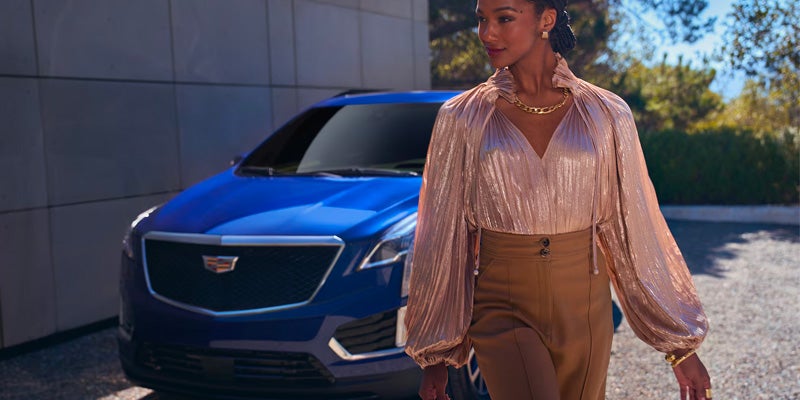
A woman in a pink blouse stands in front of a blue Cadillac SUV.

Best Used Cadillac SUVs XT4 XT5 and XT6 Model Year Guide for Louisiana Buyers

Used Cadillac SUVs appeal to buyers who want refined comfort, confident design, and advanced technology without the cost of a new luxury vehicle. Choosing between the XT4, XT5, and XT6 is less about prestige and more about understanding how each model is engineered to support different ownership needs. For buyers in Louisiana, where daily driving often blends highway travel, urban commuting, and seasonal road conditions, platform design and ride quality matter as much as size. Platform Design and Ride Character Each Cadillac SUV in this group is built with a distinct purpose, even though they share design language and interior philosophy. XT4 characteristics: Compact luxury SUV built on a lighter platform Prioritizes agility and efficiency Easier maneuverability in tight spaces Lower operating costs over time XT5 characteristics: Midsize platform balancing space and comfort More relaxed ride tuning Improved rear seat and cargo flexibility Strong all around daily usability XT6 characteristics: Larger three row configuration Emphasis on passenger comfort across all rows Longer wheelbase improving highway stability Designed for families and frequent passengers Understanding platform intent helps buyers avoid selecting more vehicle than they need. Interior Comfort and Seating Experience Cadillac interior design focuses on calm, quiet environments rather than aggressive styling. XT4 interior experience: Supportive front seating with easy entry Best suited for drivers and one or two passengers Rear seating comfortable but secondary XT5 interior experience: Broader seating comfort for front and rear occupants Balanced cabin layout that feels open without excess size Flexible cargo area for everyday hauling XT6 interior experience: True three row seating with adult usable space Improved second row access Cabin designed for longer trips and family travel Material quality across all three models emphasizes tactile surfaces and noise isolation, which becomes more noticeable in used ownership where refinement matters. Powertrain and Driving Behavior Used Cadillac SUVs are engineered to deliver smooth power delivery rather than aggressive acceleration. Common powertrain traits include: Predictable throttle response Quiet operation under normal driving Tuned transmissions prioritizing smoothness XT4 favors efficiency and lighter feel, XT5 emphasizes balance, and XT6 delivers composed performance under passenger load. None are designed to feel sporty, which aligns with Cadillac’s focus on comfort and stability. Technology and Safety Systems in Used Models Technology availability varies by model year, which is why used shoppers should evaluate features rather than trim names alone. Key systems to verify include: Infotainment responsiveness and screen size Driver assistance features such as lane support and adaptive cruise Camera clarity and parking assistance Connectivity compatibility with modern smartphones Later model years typically improve system responsiveness rather than introducing entirely new hardware. Reliability and Long Term Ownership Cadillac SUVs are engineered for longevity when properly maintained. Ownership considerations include: Routine maintenance consistency Brake and tire wear based on vehicle size Electronics reliability improving in newer model years XT4 generally carries the lowest long term operating cost, while XT6 ownership reflects its size and passenger capacity. Choosing the Right Used Cadillac SUV Buyers should align their decision with how the vehicle will be used most days. XT4 suits drivers prioritizing efficiency and maneuverability. XT5 fits buyers seeking balance between comfort and practicality. XT6 serves families needing space without sacrificing refinement. Each model delivers Cadillac’s signature calm driving experience, making used ownership a compelling value in the luxury SUV segment. Final Buyer Perspective A used Cadillac SUV offers a refined ownership experience when buyers choose the right size and model year for their needs. Understanding platform intent, interior comfort, and long term expectations ensures confidence long after purchase.

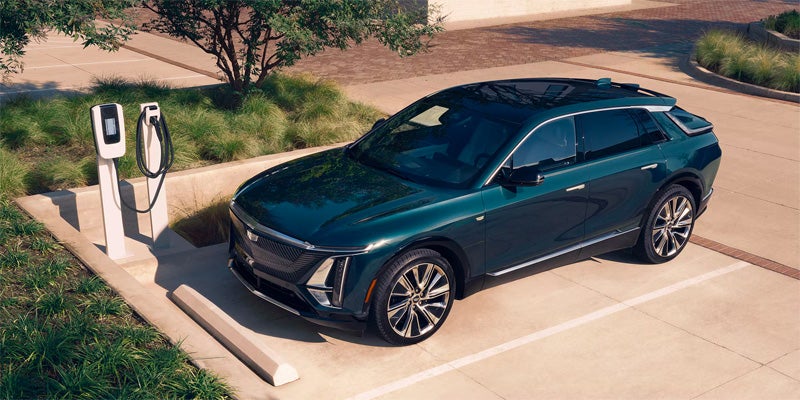
A dark green Cadillac LYRIQ electric SUV is plugged into a charging station in a parking lot.

Cadillac LYRIQ Buyer’s Guide Range Charging and Key Features for 2025 Shoppers

The Cadillac LYRIQ represents a deliberate shift in how Cadillac approaches performance, comfort, and ownership. Rather than focusing on acceleration headlines or experimental design, LYRIQ is engineered to make electric driving feel intuitive, controlled, and familiar for luxury SUV buyers transitioning from gasoline vehicles. Understanding how its range, charging systems, and core features work in real world conditions is key to deciding whether it fits your driving habits. LYRIQ Battery Architecture and Real World Range The LYRIQ is built on GM’s Ultium battery platform, designed around modular battery cells and a flat pack layout beneath the cabin floor. This architecture lowers the center of gravity and distributes weight evenly, which directly affects ride quality and handling. Key range considerations include: Battery capacity designed to balance weight and usable energy Thermal management systems that regulate temperature for consistent output Regenerative braking that recaptures energy during deceleration In real world driving, range varies based on speed, terrain, climate, and driving style. Highway cruising at steady speeds generally delivers the most efficient results, while aggressive acceleration and cold weather can reduce range temporarily. For most daily commuting and regional travel, LYRIQ range comfortably supports typical luxury SUV usage without daily charging anxiety. Charging Options Explained Simply Charging is often the largest concern for first time EV buyers. LYRIQ charging is designed to integrate naturally into daily routines. Home charging options: Level 1 charging using a standard outlet supports overnight replenishment for light daily driving Level 2 home charging significantly reduces charging time and is ideal for consistent daily use Public and fast charging: DC fast charging allows meaningful range recovery during longer trips Charging speed tapers as the battery fills, prioritizing battery longevity Understanding charging curves matters more than peak charging speed. LYRIQ prioritizes battery health and consistent performance rather than aggressive charging that accelerates degradation. Ride Quality and Driving Experience Electric propulsion changes how a vehicle feels immediately. LYRIQ’s single speed transmission delivers smooth, uninterrupted power without gear changes. Driving characteristics include: Instant torque without engine noise Calm acceleration rather than abrupt performance tuning Reduced vibration compared to internal combustion vehicles The battery’s placement enhances stability and contributes to a composed ride, particularly on long highway drives. This aligns with Cadillac’s focus on quiet confidence rather than overt performance theatrics. Interior Technology and Driver Interface LYRIQ technology emphasizes clarity and integration rather than overwhelming complexity. Key systems shoppers evaluate include: Curved LED display designed to present information naturally Integrated navigation that accounts for charging needs Driver assistance systems that support long distance driving comfort Technology in LYRIQ is intended to reduce cognitive load, not increase it. Controls are positioned to feel familiar to drivers coming from traditional luxury vehicles. Ownership Transition Considerations Moving to an electric SUV introduces new ownership habits rather than new complications. Important ownership factors include: Charging at home replacing frequent fuel stops Reduced maintenance due to fewer mechanical components Software updates improving vehicle functionality over time For many buyers, the transition feels less like learning a new system and more like simplifying existing routines. How LYRIQ Compares Within the Luxury EV Segment LYRIQ is engineered for buyers who value refinement and presence over extreme performance metrics. Compared to more aggressive electric SUVs, it prioritizes ride comfort, interior quality, and ownership confidence. This approach appeals to drivers who want electric efficiency without sacrificing Cadillac’s traditional sense of calm and composure. Final Buyer Perspective The Cadillac LYRIQ is best understood as a thoughtfully engineered luxury SUV that happens to be electric. Its range supports real daily driving, its charging options are adaptable, and its features are designed to feel intentional rather than experimental. For 2025 shoppers evaluating electric ownership for the first time, LYRIQ offers a measured, confidence driven entry into Cadillac’s electric future.

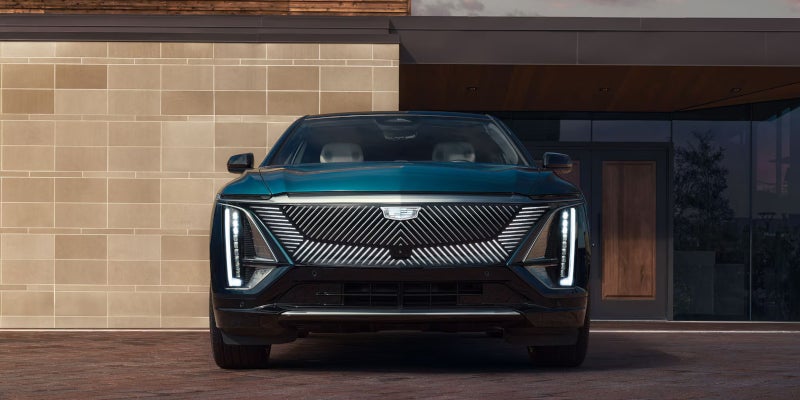
A striking blue Cadillac SUV, featuring a bold grille, parked outside a sleek, modern building

Compare Trims on the 2025 Cadillac LYRIQ

The future is here with the all-electric 2025 Cadillac LYRIQ. This innovative SUV accommodates five passengers and is ideal for those seeking comfort, convenience, and the latest in electric vehicle technology. Luxury 1 Luxury 1 is the base trim and yet comes with all kinds of high-end features of the sort you would expect from Cadillac. It gets you 326 miles of driving range. Some of the features you might not expect in a base trim include a fixed glass panoramic roof with a power sunshade, a choreographed external LED system that will greet you however you choose as you come to the vehicle, and ambient lighting for both the front and back of the car with 126 color choices. Sport 1 The next step is the Sport 1. It's got wireless Apple CarPlay and Android Auto, and you get a 33-inch diagonal LED display that's compatible with Google Built-In. If you get that, you can have customized map data, access to Google Assistant, and all kinds of other Google-powered goodies. Luxury 2 One of the big pluses to the Luxury 2 is the addition of Super Cruise. You get a three-year plan when you buy, and this lets you drive hands-free on thousands of miles of US and Canadian highways. Software will automate your steering, braking, and acceleration. The Luxury 2 also gets you a hands-free power liftgate. Luxury 3 As you can't imagine, the Luxury 3 starts with what you get in 1 and 2 and then builds on it with more comfort features. Now you have three-zone climate control so that both front passengers and those in the rear can choose their individualized settings. You also now get larger, 22-inch alloy wheels with low-profile tires. Heated outboard rear seats are now included, as are illuminated front door sill plates. Sport 2 The Sport 2 offers some nice upgrades, starting with adding ventilation to the already heated front seats and giving you lumbar massage. Things get even more comfortable because the 19-speaker AKG audio system now supports Next Gen Active Noise Cancellation, which cancels out all that road noise for a more pleasant drive. Sport 3 Go up to the Sport 3, and now you can get a dual-motor, AWD driveline. This gives you not only more power but also better sport performance around curves and in acceleration. You also now get Nappa leather upholstery, wheel locks, and a cargo cover. To find out which of these trims will be best for you, talk to us and come take a test drive at Ross Downing Cadillac in Hammond, LA.

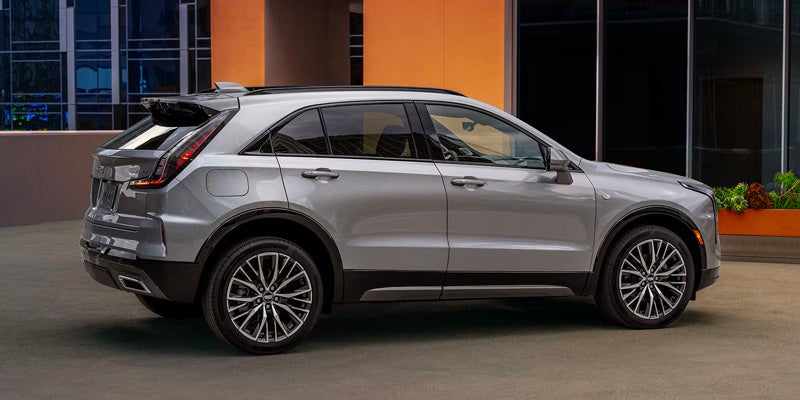
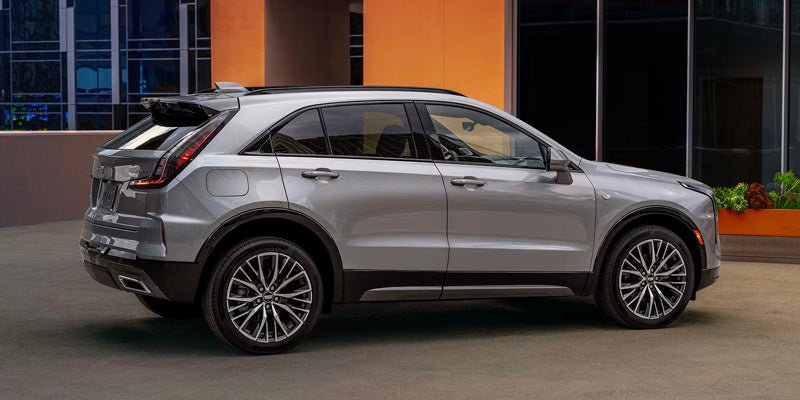
A sleek silver SUV parked outdoors, framed by striking modern architecture in the background

6 Highlights of the 2025 Cadillac XT4

Everyday practicality meets refined elegance in the 2025 Cadillac XT4. Highlights of this compact SUV include a stylish exterior, a comfortable interior, a spacious cargo area, and a driver mode selector. Key Features of the 2025 Cadillac XT4 Sophisticated Design The XT4 makes a strong first impression with its bold yet elegant design. Its front fascia features a signature Cadillac grille and stylish vertical LED headlights, while the side profile sports a rising beltline, subtle sculpting around the wheel arches, and a gently sloping roofline. The SUV comes equipped with striking 18-inch alloy wheels, but buyers can upgrade to one of the many available 20-inch wheel options. Comfortable Seating There is room for five inside the Cadillac XT4. The driver and front passenger are treated to 44.1 inches of legroom, while rear-row occupants receive a generous 39.5 inches, so everyone can stretch their legs comfortably during an outing. Standard and available seat functions include power adjustment, heating, ventilation, and lumbar massage for the front row and heating for the rear row. Amenities Another highlight of the XT4 is its abundance of in-cabin amenities. These include dual-zone automatic climate control, which allows the driver and front passenger to set two different temperatures, and ambient interior lighting, which lets occupants set the cabin's mood. For entertainment, the XT4 offers a breathtaking 33-inch diagonal LED curved display that's capable of 9K resolution. It comes with Google Built-in compatibility, wireless smartphone connectivity, SiriusXM, and numerous other functions. Spacious Cargo Area Opening the liftgate reveals a 22.5-cubic-foot cargo area that can effortlessly fit family luggage during a getaway. When hauling furniture, camping gear, or any other large payload, the rear seats can be folded flat to expand the cargo volume to 48.9 cubic feet. Outstanding Fuel Economy The XT4 achieves a stellar EPA-estimated 24 mpg in cities and 29 mpg on the highway. The SUV's outstanding gas mileage comes from its 2.0L turbocharged four-cylinder, which is tuned for extreme efficiency and features Active Fuel Management technology. The engine produces 235 horsepower and 258 lb-ft of torque and delivers power through a FWD system. Driver Mode Selector A driver mode selector comes standard, allowing drivers to optimize the XT4's performance to their needs. FWD driver modes include Tour for optimal fuel economy and everyday comfort, Snow/Ice for better traction in less-than-ideal conditions, and Sport for tighter steering and more responsive suspension calibration. Meanwhile, AWD models add two additional driver modes: AWD to send power to all four wheels and Off-Road to prepare the SUV to take on rugged terrain. Interested in the Cadillac XT4? Reach out to us at Ross Downing Cadillac in Hammond, LA to learn more about the compact SUV and discover how you can make it yours.

2025 Cadillac XT4

A Closer Look at the 2025 Cadillac XT4 Trim Levels: Compact Luxury on the Move

Luxury and performance come together to bring us the 2025 Cadillac XT4. To help drivers tailor this compact SUV to their needs, Caddy offers the XT4 in two distinct trims: the Premium Luxury and Sport. Read on for the lowdown on both models. Trim Levels of the 2025 Cadillac XT4 1. Premium Luxury The Premium Luxury may be the entry-level trim, but it certainly doesn't scrimp on desirable features. Powering this XT4 is a 235-horsepower 2.0-liter engine and an automatic nine-speed transmission that delivers seamless gear changes. Chevy enhances this SUV's performance by equipping it with a dual exhaust system, a multi-link rear suspension, and a MacPherson strut front suspension. Exterior Highlights The XT4 is a smart-looking SUV, with the Premium Luxury boasting a bright-accented grille, 18-inch five-spoke pearl-nickel alloy wheels, and satin aluminum moldings and roof rails. All illumination is provided by LED lights, including LED headlights that automatically switch on when you enter a tunnel. Chevy's base trim also comes with many premium features, such as a hands-free power liftgate, tinted rear windows, and power-folding and adjustable side mirrors. Interior Highlights The Premium Luxury's plush leather-lined interior is designed for comfort. Front occupants receive power seats, with the driver's being adjustable in eight ways. Both front seats feature a four-way power lumbar support, and up to two drivers can save their preferred settings. Everyone benefits from ambient lighting, dual-zone climate control, and the seven-speaker sound system. However, it's the 33-inch diagonal digital display dominating the dashboard that's the real showstopper. This stunning screen is the information and entertainment hub, featuring integrated navigation, voice recognition, wireless smartphone compatibility, 5G Wi-Fi hotspot capability, and Google built-in. Active Safety Package Chevy equips every XT4, including the Premium Luxury, with its Active Safety Package. This comprehensive suite of more than 20 standard driver-assist and safety technologies includes adaptive cruise control, traffic sign recognition, lane departure warning, rear pedestrian and cyclist detection, and blind-zone steering assist. There's also an HD surround view monitor and rear park assist to provide welcome help with backing up and parking. 2. Sport As the name suggests, the Sport is a sportier version of the XT4. Adorning the front fascia is now a high-gloss mesh grille with a Galvano surround. Gloss black moldings and split five-spoke gray diamond cut wheels give the exterior a more sophisticated finish. Inside, Inteluxe lines the upholstery. Drivers enjoy a comfort boost from a power seatback bolster and receive alloy sport pedals and a leather-wrapped steering wheel. If you want a compact SUV that delivers on luxury, performance, and functionality, you can't go wrong with either the Premium Luxury or Sport. Check out the full XT4 lineup by contacting us or visiting Ross Downing Cadillac in Hammond, LA today.

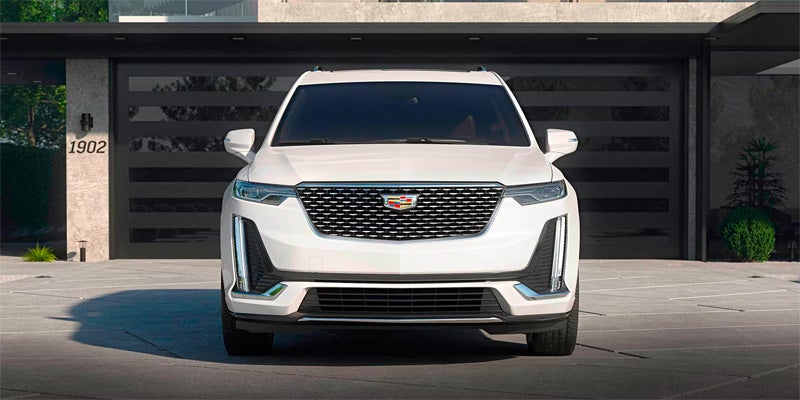
A white Cadillac SUV parked in front of a modern house with a sleek driveway

Feature Bundles by Trim: The 2025 Cadillac XT6

The 2025 Cadillac XT6 is a great family ride with athletic performance and comfort. It is available in three trims, each of them equipped with a long list of standard features to match your needs or preferences. Luxury With efficient fuel economy and standard front-wheel drive, the Luxury trim is a noteworthy daily driver. It gets power from a 2.0L turbo 4-cylinder engine with 235 horsepower and 258 lb-ft of torque. A nine-speed automatic transmission with overdrive and a gear range select provides smooth shifting, allowing you to achieve EPA-estimated ratings of 21 MPG in the city and 27 MPG on the highway. If you need more traction, all-wheel drive is optional. The exterior has an athletic allure, enhanced by Bright Silver 18-inch multi-spoke alloy wheels, a rear spoiler, and Galvano roof rails. Signature LED headlamps with auto on/off and IntelliBeam assistance bring convenience, and you can also see better when turning corners thanks to the front cornering lamps. Inside, you'll get seats for seven with a second-row 60/40 split-folding three-passenger bench. Premium Luxury If you want more power or more luxury, you can choose the Premium Luxury trim. This model replaces the standard powertrain with a 3.6L V6 engine paired with an engine-tuned nine-speed automatic transmission. You'll get 310 horsepower and 271 lb-ft of torque for a trailering capacity of up to 4,000 pounds with the available Smart Tow Trailering System. Appearance upgrades include 20-inch six-split spoke alloy wheels with a Polished/Android finish. The interior focuses on upscale comfort with leather seating surfaces, heated and ventilated front seats, and a heated steering wheel. The Comfort and Air Quality Package, which is standard on this model, also comes with heated rear seats and an air ionizer that purifies the air inside the cabin. Sport This trim comes with the same spirited engine as the Premium Luxury, pairing it with an advanced Sport Control all-wheel drive system. A twin clutch improves handling in challenging driving conditions by controlling and adjusting the distribution of torque. Real-time damping suspension and Brembo front performance brakes will also enhance your driving experience. Unique styling elements, such as 20-inch 12-spoke diamond-cut wheels with a Dark Android Satin finish and Gloss Black roof rails, can easily catch the eye in traffic. To boost comfort and convenience, you can choose from a wide range of available enhancements, such as semi-aniline leather seating surfaces with chevron-perforated inserts, a high-definition surround-view camera system with a recorder, and second-row captain's chairs. The XT6 is the perfect midsize SUV for families seeking sporty driving dynamics and luxury. Give us a call at Ross Downing Cadillac in Hammond, LA, to learn more about its features and schedule your test drive.

2025 Cadillac CT5-V

3 Thrilling Features of the 2025 Cadillac CT5-V Blackwing

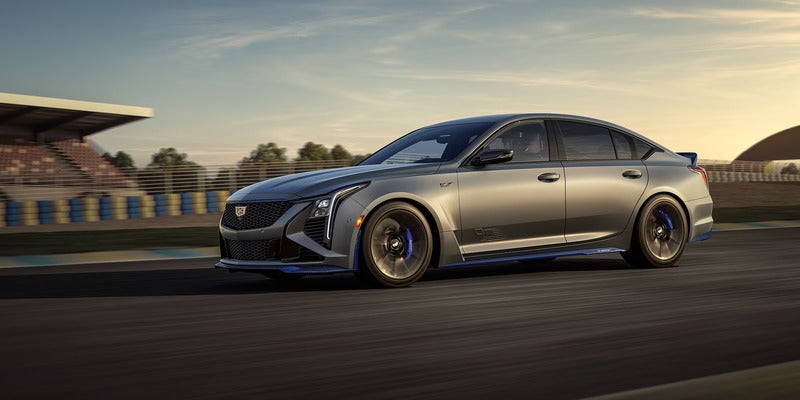
The 2025 Cadillac CT5-V Blackwing is here to remind you why you fell in love with driving in the first place. Below, we'll highlight three of its standout features and then tell you where you can experience this one-of-a-kind supersedan for yourself. Discover the 2025 CT5-V Blackwing at Ross Downing Cadillac 1. Styling You want your performance sedan to have some real road presence, and the CT5-V Blackwing has plenty of it. It's big, confident, and looks just as menacing parked as it does in motion. For 2025, Cadillac has refined the design with a wider grille, daytime running lights that flow in one continuous line downward, a reworked lower grille, and sharper creases and cutlines throughout. The new stacked headlights sit above subtle fake vents, while a black rear spoiler and three new metallic color options (Deep Space, Typhoon, and Drift) add the finishing touches. 2. Powertrain The mean looks of the 2025 CT5-V Blackwing are a not-so-subtle hint at the supercharged 6.2-liter V8 under the hood. It pumps out 668 horsepower and 659 lb-ft of torque, launching the car from a dead stop to 60 mph in 3.4 seconds and on to a top speed north of 200 mph. Maximum torque arrives early at 3,500 rpm, while peak torque hits at 6,500, which means it's got both everyday punch and high-rpm excitement. Power goes to the rear wheels through a six-speed manual transmission. A quick-shifting ten-speed automatic gearbox is available, too. With launch control, a limited-slip differential, high-performance suspension, Michelin Pilot Sport 4S tires (275s up front and 305s in the back), and carbon-ceramic brakes, you'll have no problem taking on straight lines, attacking corners, or stopping. 3. Comfort and Convenience The 2025 CT5-V Blackwing is equal parts comfy cruiser and serious driver's car. On the comfort front, you get leather seats that heat, cool, and even massage you. There's also a head-up display, wireless phone charging, a killer 16-speaker AKG sound system, and a huge 33-inch curved screen that combines the gauges and infotainment into one. Helping with that daily-driver friendliness are the magnetorheological dampers, which constantly read the road and your inputs, tweaking the suspension in as little as five milliseconds. For the track junkies, the optional Performance Data and Video Recorder tracks speed, throttle, braking, and sector times, then lets you compare laps side by side with video overlays. It can even show you where you're gaining or losing time so that you can shave a few seconds off your next run. If you're ready to explore these three features, reach out to Ross Downing Cadillac in Hammond, LA. We'll show you around the 2025 CT5-V Blackwing and get you behind the wheel.

Contact Us

Fill out this form below and we'll contact you shortly
*Required Fields