Blog / Hammond Cadillac Dealer

Blog

All Hammond Cadillac Dealer Hammond Cadillac Service Ross Downing Cadillac Service 2025 Cadillac XT4 Cadillac XT5 Escalade IQ Hammond Used Pre Owned Cadillac

Used Cadillac XT5 Buyer’s Guide: Best Model Years, Features & What to Check

Buying a used Cadillac XT5 is not just about finding the right price. Many shoppers researching a used Cadillac XT5 want to know whether it will be reliable long term, which model years are the best to choose, and what to inspect before making a purchase. The XT5 is designed as a luxury midsize SUV with a focus on ride comfort, quiet cabin experience, and refined driving behavior, but those qualities depend heavily on how its core systems perform over time. Understanding how the Cadillac XT5 engine options, transmission system, all-wheel drive system, and suspension components work allows buyers to evaluate used models more accurately. Instead of relying on general reliability ratings, this approach helps identify how the vehicle will perform in real ownership. How Cadillac XT5 Engine Options Affect Reliability and Ownership Many shoppers ask whether the Cadillac XT5 is reliable and which engine is better for long-term ownership. An engine is the primary mechanical system that generates power by converting fuel into motion, and its design influences both performance and durability. The Cadillac XT5 3.6L V6 engine uses a naturally aspirated design, meaning it does not rely on forced air from a turbocharger. This results in more consistent power delivery and fewer high-pressure components. Because the system operates without forced induction, it generally experiences lower internal stress over time, which can support long-term durability when properly maintained. more The Cadillac XT5 2.0L turbo engine uses forced induction to increase power output by compressing air before it enters the combustion chamber. This allows for improved efficiency and performance from a smaller engine, but it introduces additional components such as the turbocharger and intercooling system. These components operate under higher temperatures and pressures, which can increase maintenance complexity over time. For buyers evaluating a used Cadillac XT5, the engine choice affects ownership expectations: • the Cadillac XT5 3.6L V6 engine offers smoother power delivery with fewer high-stress components • the Cadillac XT5 2.0L turbo engine provides efficiency benefits but requires attention to maintenance intervals • driving patterns, such as frequent short trips or extended highway use, influence long-term engine condition Understanding these differences helps buyers align engine choice with how the vehicle will be used. How the Cadillac XT5 Transmission System Works and What to Watch For Many shoppers researching used Cadillac XT5 models ask whether the transmission has known issues. A transmission is a system that transfers engine power to the wheels while adjusting gear ratios to match speed and load conditions. The Cadillac XT5 transmission system uses an automatic gearbox designed to balance smooth shifting with fuel efficiency. In some model years, drivers may notice hesitation or delayed shifting behavior, which is often related to how the transmission control system manages gear changes under varying driving conditions. This behavior can be influenced by software calibration, fluid condition, and driving style rather than a single mechanical failure. During a test drive, buyers should evaluate how the Cadillac XT5 transmission responds in real-world scenarios: • acceleration from a complete stop to check for hesitation • low-speed driving to observe shift smoothness • highway merging to evaluate responsiveness under load Consistent, predictable shifting indicates a properly functioning system, while irregular behavior may suggest the need for inspection or service. How the Cadillac XT5 AWD System Functions and What to Inspect Many buyers want to know how the Cadillac XT5 AWD system works and whether it adds complexity to ownership. An all-wheel drive system distributes power between the front and rear wheels to improve traction based on driving conditions. The Cadillac XT5 AWD system is designed to engage the rear wheels when additional traction is needed, such as during acceleration or on low-grip surfaces. In normal conditions, the system can operate primarily in front-wheel drive mode to improve efficiency. Because the system includes additional components such as a transfer case and rear differential, used vehicle inspections should include attention to these areas. Buyers evaluating a used Cadillac XT5 AWD system should consider: • whether engagement feels smooth during acceleration • any unusual noises from the rear drivetrain components • maintenance history related to fluid changes in AWD components A properly functioning AWD system should operate seamlessly without noticeable disruption to the driving experience. How Suspension Wear Affects Cadillac XT5 Ride Quality Over Time Many shoppers expect a used Cadillac XT5 to deliver the same ride quality as a new model, but suspension condition plays a major role in maintaining that experience. The suspension system is responsible for absorbing road impacts and maintaining tire contact with the road surface. The Cadillac XT5 suspension system is tuned to provide a smooth, controlled ride. Over time, components such as shocks, struts, and bushings wear down, which reduces their ability to absorb vibrations and maintain stability. As these components degrade, changes in ride quality become noticeable: • increased road noise and vibration inside the cabin • reduced stability over uneven surfaces • less controlled handling during braking and cornering For buyers evaluating a used Cadillac XT5, suspension condition directly impacts whether the vehicle still delivers the comfort expected from a luxury SUV. What Features and Model Years Matter Most in a Used Cadillac XT5 Many shoppers ask what the best Cadillac XT5 model years are and which features matter most in daily ownership. Model years can differ based on updates to technology, safety systems, and powertrain options. Earlier Cadillac XT5 models focus on core luxury features such as ride comfort and interior design, while later model years introduce updated infotainment systems, improved driver assistance features, and refinements to powertrain behavior. When evaluating a used Cadillac XT5, buyers should focus on features that influence long-term usability: • infotainment system responsiveness and compatibility with modern devices • driver assistance features that support safety and convenience • seating configurations and materials that affect daily comfort • available AWD system depending on driving conditions Rather than focusing only on the newest model year, buyers should consider how feature availability aligns with their needs and how well those systems have been maintained. Final Perspective on Buying a Used Cadillac XT5 The Cadillac XT5 is designed to deliver a refined and comfortable driving experience, but that experience depends on how its core systems perform over time. Evaluating engine design, transmission behavior, AWD functionality, and suspension condition provides a clearer understanding of long-term ownership than general reliability ratings alone. For buyers considering a used Cadillac XT5, the most important step is understanding how the vehicle’s engineering aligns with their driving habits and expectations. When these factors are evaluated carefully, a used XT5 can continue to deliver the comfort and performance expected from a Cadillac.

Cadillac EV Lineup Guide: How OPTIQ, LYRIQ, VISTIQ, and Escalade IQ Actually Differ in Real Use

Cadillac’s transition to electric vehicles is not simply a change in propulsion. It is a complete redesign of how vehicles are structured, how they deliver power, and how they support different driving needs. Many shoppers researching the Cadillac EV lineup are trying to understand which model fits their lifestyle and how electric vehicles change ownership compared to a gasoline SUV. The confusion comes from how the lineup is often presented. Cadillac OPTIQ, Cadillac LYRIQ, Cadillac VISTIQ, and Cadillac Escalade IQ are frequently positioned as a size progression. In reality, each model is engineered around a specific ownership use case. The differences come from battery capacity, charging behavior, weight distribution, and passenger packaging, not just exterior dimensions. How Cadillac EV Architecture Changes Cabin Space and Driving Behavior Many shoppers researching Cadillac EVs ask what the Ultium platform is and how it actually changes the vehicle. A dedicated EV platform is a vehicle architecture that integrates the battery into the floor structure, eliminating the need for a traditional engine layout and central driveline components. The Cadillac LYRIQ battery layout creates a flat floor structure, which increases rear passenger legroom and allows for a more open cabin design. Without a center tunnel, rear seating positions are more natural, especially during longer trips. more The Cadillac OPTIQ platform uses the same underfloor battery design within a smaller footprint. While interior space is more compact than Cadillac LYRIQ, the packaging remains more efficient than a comparable gasoline SUV because the structure is not constrained by engine components. The Cadillac VISTIQ three row configuration extends this architecture further. By lengthening the wheelbase while maintaining the underfloor battery, Cadillac VISTIQ supports usable third row seating without forcing a higher ride height. This allows families to gain passenger capacity without sacrificing overall balance or comfort. This architecture also changes how the vehicle behaves in motion. Because the battery sits low in the chassis, Cadillac EVs benefit from: • reduced body roll during cornering • more stable highway driving due to a lower center of gravity • smoother braking transitions because weight transfer is more controlled For drivers transitioning from gasoline SUVs, this results in a more planted and predictable driving experience, especially at highway speeds. How OPTIQ and LYRIQ Differ in Daily Driving and Range Behavior Many shoppers comparing Cadillac OPTIQ vs Cadillac LYRIQ want to understand which one is better for everyday use. The key difference is how each vehicle is engineered to manage energy and driving conditions. The Cadillac OPTIQ battery system is optimized for efficiency in shorter, more frequent trips. Its lighter weight allows it to recover energy more effectively through regenerative braking, which is most active in stop and go driving. The Cadillac LYRIQ battery system is designed for broader use, including sustained highway driving. A larger battery capacity allows Cadillac LYRIQ to maintain range more consistently at higher speeds, where energy consumption is more continuous. From a mechanical standpoint, these differences show up in real driving scenarios: • Cadillac OPTIQ requires less energy to accelerate due to lower mass, making it more efficient in urban environments • Cadillac LYRIQ maintains momentum more effectively at highway speeds due to its size and battery capacity • Cadillac LYRIQ will typically require fewer charging stops on longer trips, while Cadillac OPTIQ prioritizes efficiency within daily driving cycles This means Cadillac OPTIQ is best suited for drivers with predictable daily routines, while Cadillac LYRIQ is better aligned with mixed driving that includes longer distances. How Cadillac EV Charging Actually Works in Real Use Many drivers ask how long it takes to charge a Cadillac EV and whether charging is inconvenient. DC fast charging is a high power charging method that delivers direct current to the battery, allowing rapid energy transfer compared to home charging systems. The Cadillac LYRIQ charging system operates on a charge curve rather than a constant rate. Charging is fastest when the battery is at a lower state of charge and slows as it approaches full capacity. This is a controlled process designed to protect battery health. There are two primary charging scenarios that define ownership: Home charging allows drivers to recharge overnight using a Level 2 system. This method supports daily driving needs without requiring public infrastructure. DC fast charging is used during longer trips. Instead of charging to full capacity, drivers typically charge enough to reach the next destination, which reduces total travel time. For shoppers evaluating Cadillac EV ownership, the most important consideration is how charging fits into daily routines: • daily driving is typically supported through overnight home charging • public charging is used selectively rather than constantly • charging time is managed by planning around usable range rather than full battery cycles This means charging is not a constant interruption. For most drivers, it becomes a predictable part of ownership rather than a limitation. How Range Varies Across OPTIQ, LYRIQ, VISTIQ, and ESCALADE IQ Many shoppers ask how far a Cadillac EV can go on a charge, but range is not determined by battery size alone. EV range is the total distance a vehicle can travel on a full charge, influenced by energy consumption, aerodynamics, and vehicle mass. The Cadillac ESCALADE IQ battery system supports higher capacity to offset the energy demands of a full size vehicle. Its larger body and increased weight require more energy to maintain motion, especially at highway speeds. The Cadillac VISTIQ range profile reflects its role as a three row vehicle. Additional passenger space and structural length increase energy demand, even though it shares underlying technology with smaller models. The Cadillac LYRIQ range balance comes from its midsize proportions. It combines battery capacity and aerodynamic efficiency to support longer distances without the added energy requirements of a full size SUV. The Cadillac OPTIQ range is influenced by its smaller size and reduced weight. While the battery may be smaller, lower energy consumption allows it to perform efficiently in daily driving conditions. When comparing range across Cadillac EV models, shoppers should evaluate: • how vehicle size impacts energy consumption • how battery capacity supports intended driving use • how aerodynamics influence efficiency at highway speeds • how driving conditions affect real world range This provides a more accurate understanding than comparing a single published range number. How Electric Motors Change Acceleration and Driving Feel Many drivers transitioning to EVs ask how electric vehicles accelerate compared to gasoline engines. An electric motor is a propulsion system that delivers torque instantly without requiring gear changes. The Cadillac LYRIQ electric motor system provides immediate torque when the accelerator is pressed. This eliminates the delay associated with traditional transmissions and creates smooth, continuous acceleration. The Cadillac OPTIQ electric drivetrain emphasizes responsiveness at lower speeds. This improves control in city driving where frequent acceleration and deceleration occur. In larger vehicles like Cadillac ESCALADE IQ, electric motor output is scaled to move greater mass while maintaining smooth acceleration. Power delivery remains consistent rather than building gradually like a gasoline engine. For drivers, this results in: • immediate acceleration response when merging or passing • smoother power delivery without gear shifting • reduced cabin noise due to fewer mechanical components This fundamentally changes how the vehicle feels in everyday driving situations. How to Choose the Right Cadillac EV Based on Real Use Many shoppers ultimately want to know which Cadillac EV best fits their lifestyle. The answer depends on how the vehicle will be used on a daily basis rather than which model has the highest specifications. Cadillac OPTIQ is best suited for drivers focused on commuting, city driving, and efficiency in shorter trips. Cadillac LYRIQ is designed for drivers who need a balance between range, interior space, and versatility across different driving conditions. Cadillac VISTIQ supports families who need three row seating and consistent passenger flexibility without moving into a full size vehicle. Cadillac ESCALADE IQ is built for drivers who prioritize maximum interior space, extended driving range, and long distance travel capability. This means the best choice is not based on size alone. It is based on how closely the vehicle’s engineering aligns with real world driving habits. Final Perspective on Cadillac’s EV Strategy Cadillac’s EV lineup is structured around intentional engineering decisions rather than simple expansion. Each model is built on the same foundational architecture, but tuned for a different ownership experience. Understanding how battery placement, charging behavior, and electric motor response influence daily driving allows shoppers to evaluate these vehicles with greater clarity. The most important question is not which Cadillac EV has the most features. It is which one is designed for how you actually drive.

Cadillac XT5 vs Lexus RX: Luxury Features, Space & Technology Compared

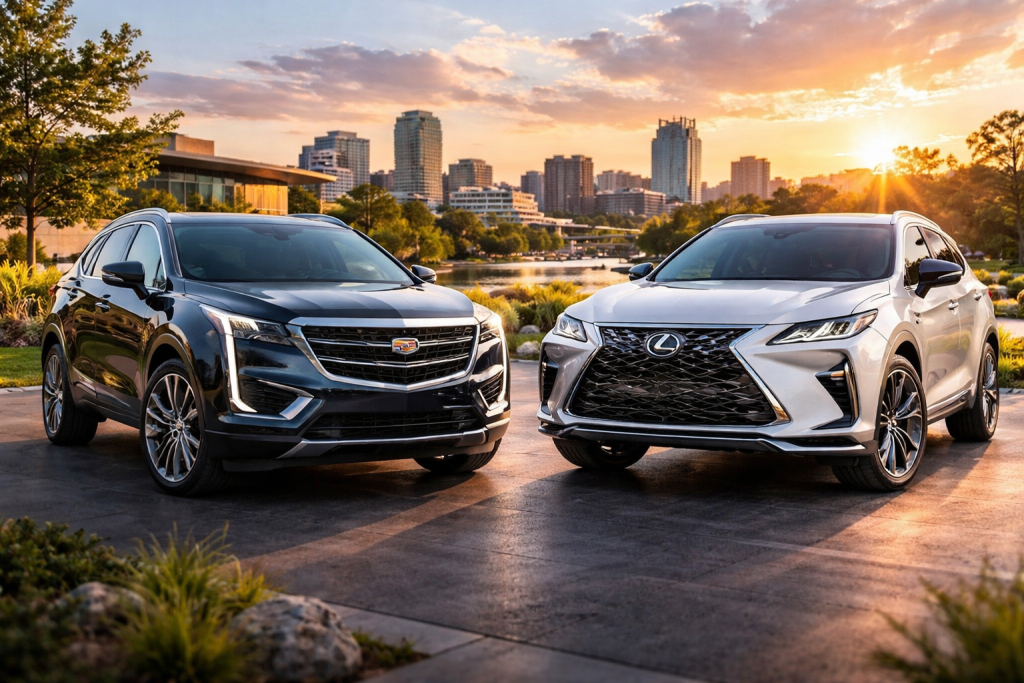
Luxury SUV shoppers comparing the Cadillac XT5 and Lexus RX are typically trying to answer one core question: which vehicle delivers a better balance of comfort, technology, and everyday usability. While both models compete in the same segment, they take noticeably different approaches to ride quality, interior design, and driver interaction. Understanding how these systems actually work is what allows buyers to make a confident decision. Interior Craftsmanship and Passenger Comfort Many shoppers researching the Cadillac XT5 vs Lexus RX want to understand how their interiors differ beyond surface level materials. The Cadillac XT5 interior focuses on a driver-centered layout with clean integration of controls, while the Lexus RX interior emphasizes layered design and a more sculpted dashboard approach. The Cadillac XT5 seating system is engineered with structured cushioning and support zones that distribute body weight more evenly. This reduces pressure points during longer drives and helps minimize fatigue. The Lexus RX seating design often prioritizes softer initial cushioning, which can feel comfortable at first contact but may provide less long-distance support depending on driver preference. more Material quality in both vehicles reflects luxury expectations, but the difference lies in how those materials are used. The Cadillac XT5 interior integrates soft-touch surfaces and trim elements in a way that minimizes visual clutter and keeps controls intuitive. The Lexus RX interior uses more layered textures and contrasting finishes, which can feel more visually dynamic but slightly more complex from a usability standpoint. For drivers commuting daily or taking extended trips, these differences impact how quickly the cabin feels natural and how comfortable it remains over time. Ride Quality and Suspension Tuning Differences One of the most important but least explained differences between the Cadillac XT5 and Lexus RX is how their suspension systems are tuned to deliver comfort. The Cadillac XT5 suspension system is calibrated to absorb road imperfections while maintaining a controlled, stable feel. This is achieved through damper tuning that balances vertical movement and body control. When driving over uneven pavement, the XT5 reduces sharp impacts while keeping the vehicle composed during cornering. The Lexus RX suspension system often leans toward a softer, more isolated ride. It prioritizes minimizing road feel, which can make the vehicle feel smoother over small imperfections but slightly less connected during directional changes. These differences become most noticeable in real-world driving situations: City driving over rough pavement highlights how each vehicle absorbs small impacts Highway driving reveals stability and body control at higher speeds Cornering shows how each suspension manages weight transfer For buyers, the decision comes down to preference. The Cadillac XT5 suspension offers a more balanced feel between comfort and control, while the Lexus RX focuses more heavily on isolation. Technology Interface and Driver Interaction Which luxury SUV has better technology, the Cadillac XT5 or Lexus RX? The answer depends less on screen size and more on how each system processes inputs and supports the driver. The Cadillac XT5 infotainment system is designed with a straightforward interface structure. Menus are organized to reduce the number of steps required to access key functions such as navigation, climate settings, and media controls. This reduces cognitive load while driving and allows for quicker adjustments. The Lexus RX infotainment system often incorporates more layered menu structures and touch or trackpad-based interaction depending on model year. While feature-rich, this can introduce a learning curve for new users. From a usability standpoint, drivers should evaluate: How quickly common functions can be accessed Whether controls can be used without taking attention off the road How responsive the system feels when switching between menus The Cadillac XT5 system prioritizes simplicity and ease of use, while the Lexus RX system offers depth but may require more familiarity. Engine Performance and Real World Driving Feel Many shoppers comparing the Cadillac XT5 and Lexus RX focus on horsepower, but real-world driving feel is shaped by how power is delivered. The Cadillac XT5 engine lineup includes turbocharged configurations that generate torque at lower engine speeds. This means the vehicle responds more quickly when accelerating from a stop or merging onto a highway. Turbocharging works by forcing additional air into the engine, allowing it to produce more power without increasing engine size. The Lexus RX engine options often include naturally aspirated or hybrid systems depending on configuration. Naturally aspirated engines build power more gradually, which can create a smoother but less immediate acceleration feel. In everyday driving situations: The Cadillac XT5 engine provides quicker throttle response in stop-and-go traffic The Lexus RX powertrain delivers smoother, more gradual acceleration Highway merging highlights differences in torque delivery and responsiveness Understanding these differences helps buyers choose based on driving preference rather than just specifications. Space, Practicality, and Daily Usability Does the Lexus RX have more space than the Cadillac XT5? Interior space is often comparable on paper, but usability depends on layout and accessibility. The Cadillac XT5 cargo area is designed with a wide opening and low lift-over height, making it easier to load larger items. Rear seat configurations allow for flexible storage while maintaining passenger comfort. The Lexus RX cargo space may offer similar capacity but can vary slightly in shape and access depending on design updates. Rear seating in both models is designed for passenger comfort, though legroom and seating angles may differ slightly. Shoppers comparing space should consider: Cargo area shape and ease of loading Rear seat comfort for passengers How seating configurations adapt to daily needs Practical usability often matters more than total volume, especially for drivers balancing passengers and cargo regularly. Which SUV Is the Better Choice for You When deciding between the Cadillac XT5 and Lexus RX, the better option depends on what matters most in daily driving. The Cadillac XT5 stands out for: Balanced ride quality with controlled handling Intuitive technology and user-friendly interface Responsive turbocharged performance The Lexus RX stands out for: Smooth, isolated ride characteristics Layered interior design and feature depth Gradual and refined power delivery For drivers who prioritize ease of use, responsive performance, and a balanced driving feel, the Cadillac XT5 offers a more connected experience. For those who prefer a softer ride and a more traditional luxury approach, the Lexus RX remains a strong contender.

Cadillac Wheel Alignment Guide: Why Precision Matters for Every Cadillac

Wheel alignment is not just a tire service. In a Cadillac, it is a calibration of suspension geometry, steering input, and chassis balance. Modern Cadillac vehicles use advanced suspension systems, electronic stability controls, and in many models Magnetic Ride Control. When alignment angles shift, those systems cannot perform at their intended precision. Understanding what alignment actually adjusts and why it matters helps protect ride quality, tire life, and long-term handling integrity. What Wheel Alignment Actually Adjusts A four-wheel alignment measures and corrects three primary angles: camber, caster, and toe. These are not cosmetic settings. They define how your tires meet the road. Camber Camber refers to the inward or outward tilt of the tire when viewed from the front of the vehicle. Negative camber means the top of the tire leans inward. Positive camber means it leans outward. Improper camber causes uneven tire wear on the inner or outer edges and can reduce straight-line stability. Caster Caster is the forward or rearward tilt of the steering axis when viewed from the side. Proper caster supports steering stability at highway speeds. Uneven caster side-to-side can cause the vehicle to pull. more Toe Toe measures whether the front edges of the tires point slightly inward or outward when viewed from above. Incorrect toe is the most common cause of rapid tire wear. Even small deviations can significantly shorten tire lifespan. Luxury SUVs and sedans often run tighter alignment tolerances than standard vehicles because suspension geometry is tuned for ride isolation and steering precision. Signs Your Cadillac May Need an Alignment Owners often search for alignment after noticing one or more of the following: Vehicle pulls to one side on a straight road Steering wheel is off-center when driving straight Uneven or feathered tire wear Vibration at highway speeds Reduced steering responsiveness If your Cadillac begins requiring constant steering correction, alignment angles may have shifted. Why Luxury Vehicles Require More Precision Cadillac suspension systems are engineered for balance between comfort and control. Models equipped with Magnetic Ride Control use electronically controlled dampers that adjust in milliseconds based on road input. If wheel angles are misaligned: Steering sensors and stability systems compensate unnecessarily Dampers respond to uneven load distribution Ride comfort and handling precision decline Misalignment places added stress on suspension bushings, control arms, and steering components. Vehicles with larger wheels and low-profile tires are also more sensitive to alignment deviation. Luxury SUVs frequently use 20-inch or larger wheel packages. With less sidewall cushioning, suspension geometry becomes even more critical. How Potholes and Road Conditions Affect Alignment One of the most common causes of misalignment is impact damage. Hitting: Deep potholes Curbs Road debris Uneven pavement edges can shift suspension components slightly out of specification. Even small impacts can alter toe settings. Because Cadillacs use sophisticated independent suspension setups, even minor shifts in geometry can affect ride feel. Four-Wheel Alignment vs Front-End Alignment Modern Cadillac models require four-wheel alignment, not just front-end correction. Four-wheel alignment: Measures rear suspension angles Ensures thrust angle is correct Aligns all four wheels relative to vehicle centerline If the rear suspension is not aligned properly, the vehicle may track slightly sideways even if the front wheels appear straight. Full-size SUVs such as the Cadillac Escalade use independent rear suspension in recent generations. This makes rear alignment adjustment even more critical for straight-line stability. All-Wheel Drive and Alignment Considerations Cadillac models equipped with all-wheel drive distribute torque between front and rear axles. When alignment angles are incorrect: Driveline components may experience uneven stress Electronic traction systems may compensate unnecessarily Tire wear may accelerate across all four corners Maintaining correct alignment ensures balanced load across the drivetrain. How Often Should Alignment Be Performed? There is no single mileage interval that guarantees alignment will stay within specification. However, common recommendations include: After replacing tires After suspension repairs After significant pothole impact When uneven tire wear appears During annual maintenance inspections Some owners choose to have alignment checked annually, particularly in regions with rough road conditions. Can Misalignment Ruin Tires? Yes. Incorrect toe or camber can destroy a set of tires in a relatively short distance. Uneven wear patterns such as: Inner edge wear Outer edge wear Feathering Cupping reduce tire lifespan and increase road noise. Given the cost of premium tire sets on luxury SUVs, maintaining alignment protects long-term ownership cost. Alignment and Ride Quality Preservation Cadillac vehicles are engineered for quiet composure. Proper alignment supports: Even tire contact patch Straight tracking at highway speeds Balanced steering input Consistent braking stability Over time, even minor deviations reduce the vehicle’s refined driving character. Wheel alignment is not only about preventing pull. It is about preserving the precision engineered into the suspension system. How Long Does an Alignment Take? A professional four-wheel alignment typically takes about one hour. The process includes: Mounting sensors on all four wheels Measuring camber, caster, and toe Adjusting suspension components Verifying final calibration Modern digital alignment systems measure angles within fractions of a degree. Final Perspective Cadillac vehicles are designed around intentional geometry. Steering feel, suspension response, and ride comfort all depend on precise wheel alignment. If you notice pulling, uneven tire wear, or a change in steering behavior, alignment inspection is one of the most effective ways to restore factory-calibrated handling. Maintaining alignment is not optional maintenance for a luxury vehicle. It is part of preserving the signature balance between comfort and control that defines Cadillac engineering.

Cadillac Escalade Used Buyer’s Guide: Best Model Years, Platform Changes, and What to Evaluate Before You Buy

A used Cadillac Escalade is not just a large SUV purchase. It is a platform decision. Over the past two decades, the Escalade has evolved across multiple chassis architectures, powertrain generations, and suspension systems. Each generation carries distinct mechanical strengths, interior upgrades, and long-term ownership considerations. If you are evaluating a pre-owned Escalade, the most important factor is understanding which generation you are buying and how its engineering differs. Escalade Generations and Platform Evolution 2007 to 2014 – GMT900 Platform This generation introduced the 6.2L V8 as standard in most trims, replacing earlier 6.0L applications. Output was strong for the time, and the platform retained body-on-frame construction shared with GM’s full-size truck architecture. Key Characteristics: more 6.2L V8 paired with a 6-speed automatic transmission Solid rear axle with traditional suspension layout Magnetic Ride Control available Third row removable but not fully flat-folding Classic Escalade exterior design identity Ownership Considerations: Proven V8 durability when maintained properly Fuel economy lower by modern standards Transmission longevity depends on fluid maintenance history Interior technology dated compared to newer models These vehicles can exceed 200,000 miles with consistent service, particularly engine and cooling system maintenance. 2015 to 2020 – K2XX Platform This generation modernized the Escalade’s cabin and introduced a more refined direct-injection 6.2L V8. Major Changes: Updated 6.2L V8 with approximately 420 horsepower 8-speed automatic introduced mid-cycle, later replaced by a 10-speed Magnetic Ride Control refinement Improved infotainment system Power-folding third row Interior design became significantly more premium during this era. Ride isolation improved, and cabin noise levels decreased compared to earlier generations. Ownership Watch Points: Early 8-speed transmissions may exhibit shift quality concerns if not properly maintained Active Fuel Management system increases fuel efficiency but adds mechanical complexity Suspension components such as magnetic dampers can require replacement at higher mileage This generation balances modern refinement with traditional Escalade durability. 2021 to Present – T1XX Platform (Major Redesign) The 2021 redesign represents the most substantial mechanical evolution in Escalade history. Most Significant Change: Independent Rear Suspension replaced the solid rear axle This engineering shift transformed ride comfort and third-row space. The independent setup allows for: Significantly improved third-row legroom Increased cargo volume behind the third row More composed ride over uneven surfaces Powertrain Options: 6.2L V8 with 10-speed automatic 3.0L Duramax turbo-diesel inline-six introduced for improved efficiency Interior Technology: Curved OLED display spanning the instrument cluster and infotainment Advanced driver assistance integration Enhanced Super Cruise capability in later models For buyers prioritizing interior space and modern technology, the 2021 and newer models stand apart. Which Escalade Model Years Are Most Reliable? Reliability trends often follow powertrain simplicity and maintenance history. Strong Reliability Profiles: Late GMT900 years with documented maintenance 2017 to 2020 K2XX models equipped with the refined 10-speed transmission 2021+ models benefiting from updated architecture and drivetrain pairing High-mileage Escalades are common due to the durability of the 6.2L V8 when oil changes are consistent. Engine Breakdown by Generation 6.0L V8 (Earlier Generations) Lower output compared to modern engines Durable when maintained Simpler mechanical layout 6.2L V8 Core engine across multiple generations Strong torque delivery Direct injection improves performance but requires fuel system attention Known for longevity under proper maintenance intervals 3.0L Duramax Diesel (2021+) Significantly improved fuel economy for a full-size SUV Strong torque characteristics for highway cruising Diesel ownership requires understanding of emissions system components Each engine offers a different ownership profile. Gasoline models remain more common in the used market. Transmission Evolution Transmission progression plays a role in buyer decisions. 6-speed automatic: Proven but less efficient 8-speed automatic: Some early calibration issues reported 10-speed automatic: Smoother gear transitions, improved highway efficiency The 10-speed transmission paired with the 6.2L V8 offers one of the most refined driving experiences in the Escalade lineup. Common Issues to Evaluate When inspecting a used Escalade, evaluate: Transmission shift behavior under load Suspension system condition, especially Magnetic Ride dampers Active Fuel Management system function Cooling system performance Electronic system diagnostics Maintenance records for differential and transfer case service Full-size SUVs place greater stress on suspension and braking systems due to weight. A thorough inspection is critical. High Mileage Escalade Ownership Escalades are frequently used as family vehicles, executive transport, or fleet vehicles. Many surpass 150,000 miles without catastrophic failure when properly maintained. High mileage does not automatically indicate risk. Instead, focus on: Service documentation Transmission fluid changes Engine oil interval consistency Suspension component replacement history A well-maintained Escalade can remain structurally and mechanically sound well beyond average ownership periods. Maintenance Cost Expectations Operating costs are higher than midsize SUVs due to: Larger tires Higher fuel consumption Premium fuel requirements in many configurations Suspension technology replacement cost However, resale value remains strong due to brand recognition and demand in the luxury full-size SUV segment. Family Practicality by Generation If third-row comfort is critical, 2021+ models are the clear leader due to independent rear suspension. If towing and traditional body-on-frame ruggedness are priorities, earlier solid-axle generations still perform effectively. For buyers balancing price with refinement, 2017 to 2020 models often represent strong value in the used market. Final Evaluation Strategy The best used Escalade is not determined by a single model year. It depends on: Budget Technology expectations Third-row space needs Desired engine configuration Long-term maintenance comfort Understanding generational engineering changes ensures you purchase the Escalade that aligns with your ownership expectations rather than simply selecting based on price. A full-size luxury SUV like the Escalade carries legacy, capability, and durability. The key is matching the right generation to your lifestyle and mechanical confidence.

Cadillac LYRIQ Charging Explained: Home Setup, Fast Charging Speeds, and Real-World Range

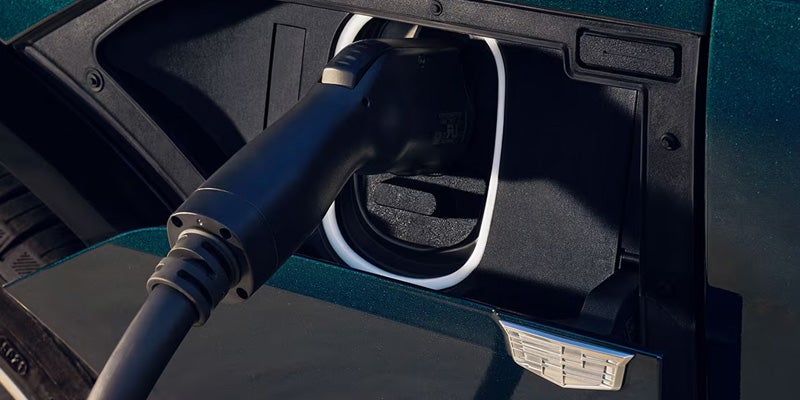
The Cadillac LYRIQ is built on GM’s Ultium EV platform, engineered around a large-format battery pack and high-capacity charging architecture. Understanding how it charges means understanding three things: battery size, charging power levels, and how real-world charging curves behave. If you are considering an electric SUV, the key questions are practical. How long does it take to charge at home? How fast is DC fast charging on a road trip? How many miles do you gain in ten minutes? This guide breaks down those answers with system-level clarity. Battery Architecture and Capacity The LYRIQ uses a 102 kWh Ultium battery pack. That capacity determines both maximum driving range and how much energy must be replenished during charging. Estimated range varies slightly by configuration, but rear-wheel-drive versions typically deliver over 300 miles on a full charge under EPA testing. All-wheel-drive versions may see a slight range adjustment due to added drivetrain load. Battery size directly affects charging time. A larger battery provides more range but also requires more energy input during a full recharge. That is where charging speed and power level matter. more Charging Levels Explained There are three primary charging scenarios for the LYRIQ: Level 1 Charging (120V Household Outlet) Level 1 charging uses a standard household outlet. It is the slowest charging method. Adds roughly 3 to 4 miles of range per hour Best used for overnight top-offs or emergency charging Not ideal for fully replenishing a depleted battery Level 1 works for low-mileage drivers but is not the primary solution for most owners. Level 2 Charging (240V Home or Public AC Charging) Level 2 charging is the standard daily charging solution for EV owners. Requires a 240V outlet or professionally installed home charging unit Adds approximately 20 to 30 miles of range per hour depending on amperage Can recharge the battery overnight from a low state of charge With a properly installed Level 2 charger, most owners can comfortably recharge from 20 percent to 80 percent overnight. This is the practical daily use case. The LYRIQ supports robust onboard AC charging capacity, meaning it can efficiently convert AC power to DC power for the battery without excessive loss. DC Fast Charging (Public High-Power Charging) DC fast charging is designed for long-distance travel. The LYRIQ supports DC fast charging up to approximately 190 kW. That power level allows significant range recovery in short stops. Under optimal conditions: Up to 76 miles of range can be added in about 10 minutes 10 percent to 80 percent charging can occur in roughly 30 to 40 minutes depending on temperature and station output Charging speed is not constant. EVs follow a charging curve. Understanding the Charging Curve EV batteries do not charge at maximum power from 0 to 100 percent. The fastest charging occurs between roughly 10 percent and 60 percent state of charge. After that, power tapers to protect battery longevity and manage heat. This is why road-trip charging strategy typically involves: Charging from about 10 percent to 70 or 80 percent Continuing the drive rather than waiting for 100 percent The LYRIQ’s thermal management system actively regulates battery temperature during charging to maintain optimal performance and preserve long-term durability. Connector Compatibility and Public Charging Access The LYRIQ uses the CCS charging connector for DC fast charging. For AC charging, it uses the standard J1772 connector. This allows compatibility with: Most major public charging networks in North America Home-installed Level 2 charging stations Public Level 2 stations at workplaces and retail locations Adapter solutions are evolving across the industry, but CCS compatibility provides broad access to established high-speed charging networks. Home Charging Installation Considerations Installing a Level 2 charger at home typically requires: 240V electrical service Professional electrician installation Circuit breaker panel capacity verification Charging speed depends on the amperage of the installed unit. Higher amperage units deliver more miles per hour. For homeowners, this becomes the primary convenience advantage of EV ownership. Instead of visiting a gas station, the vehicle charges overnight in the garage. Charging Cost Estimates Charging cost depends on local electricity rates. To estimate cost: Multiply battery capacity (102 kWh) by local electricity rate For example, at $0.14 per kWh, a full charge would cost approximately $14 Actual costs vary based on: State of charge at plug-in Charging losses Time-of-use electricity rates Public DC fast charging pricing models Home charging is generally more cost-effective than public fast charging. Regenerative Braking and Range Recovery The LYRIQ uses regenerative braking to capture energy during deceleration. When lifting off the accelerator or braking, the electric motor reverses function and sends energy back to the battery. This system: Improves urban efficiency Extends overall driving range Reduces wear on traditional brake components Driving style and terrain influence total range. Urban stop-and-go driving can sometimes yield better efficiency than high-speed highway travel due to regenerative energy capture. Real-World Road Trip Planning Long-distance EV travel depends on: Charging station availability Weather conditions Driving speed Elevation changes Cold temperatures can temporarily reduce range and charging speed due to battery chemistry limitations. The LYRIQ’s thermal system mitigates this through battery preconditioning when navigating to a fast charger. Preconditioning warms or cools the battery before arrival, enabling faster charging once plugged in. Is the LYRIQ Practical as a Daily EV? For most drivers, the answer depends on commute length and access to home charging. The combination of: 300-plus mile range Strong DC fast charging capability Overnight Level 2 convenience positions the LYRIQ as a fully practical primary vehicle for many households. The transition from gasoline to electric is not about eliminating stops entirely. It is about shifting refueling behavior from weekly fuel station visits to overnight home charging with occasional fast charging during extended trips. The LYRIQ’s charging system is engineered for that transition. For drivers evaluating electric SUV ownership, understanding how battery capacity, charging speed, and infrastructure work together provides clarity. Charging is not simply about time. It is about power delivery, thermal management, and energy strategy designed for daily confidence.

Cadillac XT5 vs Cadillac XT6: Space, Comfort, and Family-Focused Capability Compared

When comparing the Cadillac XT5 and XT6, the decision centers on space architecture, seating configuration, and how each vehicle supports daily use. Both SUVs share Cadillac’s design language and available powertrains, but they are engineered for different ownership priorities. One prioritizes two-row balance and maneuverability. The other is built around three-row flexibility and expanded passenger capacity. Understanding how their platforms, dimensions, and interior packaging differ is what makes the comparison meaningful. Platform and Size: How Much Larger Is the XT6? The XT5 is classified as a midsize two-row SUV. The XT6 is a longer, three-row midsize SUV built on an extended wheelbase version of GM’s C1 platform. Key dimensional differences: more Overall Length XT5: Approximately 189.6 inches XT6: Approximately 198.5 inches The XT6 is nearly nine inches longer, which directly supports third-row packaging and added cargo volume. Wheelbase XT5: Around 112.5 inches XT6: Around 112.7 inches While the wheelbase difference is modest, the XT6 uses its extended body length to optimize rear seating geometry. Seating Capacity XT5: 5 passengers XT6: 6 or 7 passengers depending on second-row configuration The XT5’s shorter overall length makes it easier to maneuver in tighter urban environments. The XT6 sacrifices a small degree of compact feel in exchange for third-row practicality. Interior Layout and Passenger Comfort The most significant difference between these SUVs is seating architecture. XT5 Interior Configuration The XT5 is engineered around a two-row layout with generous second-row legroom and flexible cargo storage. Its rear seat slides and reclines, allowing owners to balance passenger comfort with cargo needs. Highlights: Spacious second-row legroom for adult passengers Flat load floor when rear seats are folded Lower step-in height for easier entry Cabin proportions focused on five-passenger comfort The XT5 prioritizes second-row comfort over maximum passenger count. For families with one or two children, it provides more usable daily space than a cramped third row would. XT6 Interior Configuration The XT6 introduces a true third row, available with either: Second-row captain’s chairs for six passengers A second-row bench for seven passengers Important third-row realities: Best suited for children or shorter adults on longer drives Legroom is adequate but not expansive Designed for flexibility rather than constant full occupancy Cargo space behind the third row is usable for grocery runs and small luggage. With the third row folded, the XT6 transforms into a large two-row cargo hauler. The XT6 exists for households that occasionally or frequently need extra seating capacity. Cargo Space Comparison Cargo volume is one of the most researched elements in this comparison. XT5 Cargo Capacity: Behind second row: Approximately 30 cubic feet With rear seats folded: Around 63 cubic feet XT6 Cargo Capacity: Behind third row: Approximately 12 cubic feet Behind second row: Around 43 cubic feet With second and third rows folded: About 78 cubic feet The XT5 offers more cargo space than the XT6 when both are configured as two-row vehicles. The XT6 surpasses it when fully opened up with all seats folded. This means: If you rarely use a third row, the XT5 may provide more everyday cargo efficiency. If you need flexible seating plus large hauling capability, the XT6 offers greater overall volume. Powertrain and Performance Differences Both SUVs offer similar engine options, but how they are positioned matters. Standard Engine: 2.0L turbocharged inline-four Approximately 235 horsepower Paired with a 9-speed automatic transmission Available Upgrade: 3.6L V6 Approximately 310 horsepower Enhanced passing and merging performance Drive Configuration: Front-wheel drive standard Available all-wheel drive Driving Behavior: The XT5 feels lighter and slightly more responsive in city driving due to its shorter length and marginally lower weight. The XT6, particularly with the V6, feels more composed under load and better suited for highway cruising with multiple passengers. Fuel Economy: XT5 typically returns slightly better combined MPG due to lower mass. XT6 efficiency depends on drivetrain and seating configuration. Towing Capability Towing is another decision point for some buyers. XT5 maximum towing capacity: Around 3,500 pounds with proper equipment XT6 maximum towing capacity: Up to 4,000 pounds when properly equipped The XT6 provides a modest edge for light trailers, small boats, or recreational equipment. Ride Quality and Handling Both vehicles reflect Cadillac’s tuning philosophy: quiet cabins, composed suspension calibration, and controlled steering input. XT5 Ride Character: Slightly more agile feel Less body movement in tight turns Ideal for daily commuting XT6 Ride Character: Stable under full passenger load Balanced suspension tuned for family comfort Longer body enhances highway stability Neither SUV is performance-oriented in this segment comparison. The focus is isolation, smoothness, and refinement. Trim Strategy and Feature Alignment Both models are typically available in: Luxury Premium Luxury Sport Premium Luxury focuses on comfort and chrome exterior detailing. Sport trims introduce: Darker exterior accents Performance-tuned suspension Standard all-wheel drive in many configurations Technology and safety systems largely mirror each other across comparable trims, including advanced driver assistance features and Cadillac’s infotainment platform. Which Cadillac SUV Is Right for You? Choose the XT5 if: You do not need a third row Maneuverability and second-row comfort matter most You want maximum cargo space in a two-row format You prioritize slightly higher fuel efficiency Choose the XT6 if: You need six or seven passenger flexibility You frequently transport additional family members You want greater maximum cargo capacity when seats are folded You prefer added highway stability with a larger body The decision is not about one being better. It is about how often that third row will truly be used. Both SUVs represent Cadillac’s approach to purposeful design, where interior packaging and engineering intent shape the ownership experience rather than marketing labels. For buyers comparing these two vehicles in depth, understanding seating architecture and daily usage patterns will lead to the right choice.

Best Used Cadillac Sedans ATS, CT4 and CT5 Model Year Guide for Louisiana Buyers

Shopping for a used Cadillac sedan often comes down to balancing performance, comfort, technology, and long term ownership confidence. The ATS, CT4, and CT5 represent three distinct stages in Cadillac’s modern sedan evolution. Understanding how these models differ mechanically, how they drive, and what ownership looks like over time helps buyers choose the right used sedan for their needs rather than simply the newest nameplate. This guide focuses on platform design, powertrain behavior, reliability patterns, and daily usability to support informed used vehicle decisions. Cadillac ATS Foundation and Ownership Profile The Cadillac ATS was engineered during a period when Cadillac placed heavy emphasis on rear wheel drive dynamics and chassis balance. Built on a compact rear wheel drive platform, the ATS earned a reputation for sharp handling and precise steering that appealed to drivers who valued engagement over softness. Most ATS models are equipped with turbocharged four cylinder engines or available V6 options depending on model year. These engines deliver strong performance relative to vehicle size, but ownership experience depends heavily on maintenance history. Regular oil changes and cooling system care are especially important in turbocharged ATS models to support long term reliability. From a daily driving standpoint: more ATS offers confident handling and road feel Ride quality is firmer than newer Cadillac sedans Interior technology reflects its production era with smaller displays and fewer advanced driver assistance systems For buyers prioritizing driving feel and value, a well maintained ATS can still be a rewarding used option, particularly for drivers who spend more time behind the wheel than in the rear seat. Transition from ATS to CT4 The CT4 replaced the ATS as Cadillac modernized its compact sedan lineup. While both vehicles share rear wheel drive DNA, the CT4 reflects a shift toward broader daily usability and improved refinement. CT4 models benefit from updated chassis tuning that softens ride harshness without eliminating driver engagement. Turbocharged four cylinder engines remain central to the lineup, delivering smoother torque delivery and better integration with modern transmissions. These changes result in improved drivability in stop and go traffic and more relaxed highway cruising. Interior updates are one of the most noticeable differences for used shoppers: Larger infotainment displays Improved interface responsiveness More advanced driver assistance availability Better sound insulation compared to ATS From an ownership perspective, the CT4 generally offers fewer age related concerns simply due to newer production years. Buyers evaluating used CT4 models should still review service records, but overall reliability trends benefit from updated electronics and powertrain refinements. Cadillac CT5 Step Up in Size and Comfort The CT5 moves Cadillac sedan ownership into a midsize category. Built on a longer wheelbase, the CT5 delivers a more composed ride and greater interior space than both the ATS and CT4. Powertrain options range from turbocharged four cylinder engines to available twin turbo V6 configurations. The V6 models provide stronger highway performance and reduced engine strain during extended driving, which can contribute to a smoother ownership experience for high mileage drivers. The CT5’s larger platform offers tangible benefits: Improved rear seat legroom More stable ride at highway speeds Better isolation from road imperfections Increased cargo flexibility For buyers who regularly drive with passengers or value long distance comfort, the CT5 often represents the best balance of luxury and practicality in Cadillac’s used sedan lineup. Reliability and Model Year Considerations Reliability across ATS, CT4, and CT5 models varies more by maintenance and production updates than by nameplate alone. Earlier ATS models may require closer inspection of suspension components and electronic systems simply due to age. Later production ATS models tend to show improved durability as Cadillac refined systems over time. CT4 and CT5 models benefit from more recent engineering updates, including improved infotainment stability and better integration of driver assistance technology. Buyers should still evaluate: Consistent service history Software update records Brake and suspension wear Transmission service intervals None of these sedans are inherently unreliable, but ownership experience improves significantly when preventative maintenance is prioritized. Daily Driving and Long Term Use Choosing the right used Cadillac sedan depends on how the vehicle will be used. ATS is well suited for drivers who: Enjoy responsive handling Prefer a compact footprint Want rear wheel drive dynamics at a lower entry point CT4 fits drivers who: Want modern technology in a compact luxury sedan Value balanced ride quality Use the vehicle primarily for commuting and daily driving CT5 is best aligned with drivers who: Need more passenger and cargo space Drive longer distances regularly Prefer a calmer, more refined ride Each model serves a different purpose, and selecting the right one improves satisfaction far more than simply choosing the newest option available. Maintenance Expectations for Used Cadillac Sedans Luxury sedans require consistent care, and Cadillac is no exception. Maintenance costs are generally higher than non luxury sedans, but predictable when systems are serviced properly. Key ownership considerations include: Turbocharged engine oil service intervals Brake system wear depending on driving style Suspension component inspection on higher mileage vehicles Software updates for infotainment and driver assistance systems When maintained correctly, these sedans are capable of delivering long service life and strong daily usability. Final Perspective The ATS, CT4, and CT5 each represent a distinct chapter in Cadillac’s sedan evolution. The ATS delivers performance oriented value, the CT4 balances modern refinement with compact luxury, and the CT5 offers space, comfort, and power suited for broader ownership needs. Understanding platform differences, powertrain behavior, and maintenance expectations allows buyers to choose a used Cadillac sedan that aligns with their driving habits and long term goals.

Cadillac OPTIQ vs LYRIQ: Electric SUV Range, Charging & Feature Comparison

Cadillac’s electric SUV lineup is built around a shared foundation, but the OPTIQ and LYRIQ are designed to serve different ownership needs. Both models use GM’s Ultium architecture, yet differences in size, battery configuration, drivetrain availability, and interior space create distinct real world experiences. Understanding how these systems work and how they affect daily driving, charging habits, and long term usability is the key to choosing the right Cadillac EV. This comparison focuses on range behavior, charging performance, vehicle scale, and functional differences rather than surface level design cues. Ultium Platform Architecture and What It Means Both the OPTIQ and LYRIQ are built on the Ultium electric vehicle platform. Ultium is a modular battery and motor system that allows Cadillac to scale performance and range by adjusting battery capacity, motor count, and vehicle size rather than redesigning the entire drivetrain for each model. At a system level, this means: more Battery modules are shared across vehicles but configured differently Motors can be tuned for efficiency or higher output Software plays a significant role in power delivery and energy management While the underlying technology is related, the OPTIQ and LYRIQ use different configurations to match their intended roles. Vehicle Size and Daily Usability The OPTIQ is positioned as a compact electric SUV. Its smaller footprint makes it easier to maneuver in urban environments, park in tighter spaces, and navigate daily commuting scenarios. The reduced mass also contributes to improved efficiency, which directly affects real world range. The LYRIQ moves into the midsize electric SUV segment. A longer wheelbase and wider body translate to increased interior volume, especially for rear seat passengers and cargo. The LYRIQ feels more substantial on the road and is better suited for families or drivers who frequently carry passengers. In practical terms: OPTIQ favors city driving and solo or two passenger use LYRIQ favors highway stability, rear seat comfort, and cargo flexibility Battery Capacity and Real World Range Range differences between OPTIQ and LYRIQ are primarily driven by battery size and vehicle mass. The OPTIQ uses a smaller Ultium battery pack designed to balance efficiency and daily driving needs. Its lighter weight allows the vehicle to extract more miles per kilowatt hour, making it well suited for commuters who charge regularly at home or work. The LYRIQ uses a larger capacity battery pack. While the vehicle consumes more energy due to its size, the increased battery capacity delivers a longer overall driving range. This is especially beneficial for drivers who take longer trips or want more flexibility between charging sessions. From an ownership perspective: OPTIQ range is optimized for predictable daily use LYRIQ range supports extended highway travel and fewer charging stops Charging Systems and Charging Time Both vehicles support DC fast charging and Level 2 home charging, but charging behavior differs based on battery size. With DC fast charging, both models can add a meaningful amount of range in a short time window. The OPTIQ’s smaller battery typically reaches higher charge percentages faster because there is less total capacity to fill. This can make quick charging stops feel more efficient in urban or suburban driving patterns. The LYRIQ’s larger battery takes longer to reach a full charge, but it can also accept higher sustained charging power for longer periods. This makes it well suited for highway travel where drivers stop less frequently but want to add significant range during each stop. At home, Level 2 charging differences are more noticeable: OPTIQ typically reaches a full charge overnight LYRIQ may require a longer charging window depending on battery state and charger output Drivetrain and Performance Characteristics Both OPTIQ and LYRIQ offer responsive electric acceleration, but performance tuning differs. The OPTIQ emphasizes smooth, predictable power delivery. Acceleration is immediate, as expected from an electric drivetrain, but tuned for efficiency and daily drivability rather than maximum output. Available all wheel drive improves traction and stability without dramatically impacting range. The LYRIQ offers higher output configurations, particularly in all wheel drive setups. Additional motors increase total power and provide stronger acceleration at highway speeds. This contributes to confident passing and a more performance oriented feel without sacrificing refinement. Drivers will notice: OPTIQ feels light and quick off the line LYRIQ feels stronger and more composed at higher speeds Interior Space and Technology Differences Both vehicles feature Cadillac’s modern digital interface and driver assistance technologies, but scale affects comfort. The OPTIQ’s interior is designed around efficient use of space. Front seat comfort is prioritized, and technology placement emphasizes ease of use for the driver. Rear seat space is sufficient for daily needs but more limited for long trips with adult passengers. The LYRIQ benefits from a wider cabin and longer wheelbase. Rear seat legroom is improved, and cargo capacity supports larger items and family use. The more expansive interior also allows for additional comfort and convenience features in higher trims. Ownership Expectations and Charging Habits Choosing between OPTIQ and LYRIQ often comes down to how and where the vehicle will be used. The OPTIQ is well suited for drivers who: Commute daily and charge at home Prefer a smaller, easier to manage SUV Want efficient electric driving with Cadillac refinement The LYRIQ is better aligned with drivers who: Take longer trips or drive extended highway distances Need additional passenger and cargo space Want greater range flexibility and higher performance capability Both vehicles benefit from Ultium’s software driven energy management, which helps optimize efficiency, charging behavior, and long term battery performance. Final Perspective The Cadillac OPTIQ and LYRIQ share advanced electric technology, but they are engineered for different roles. The OPTIQ delivers compact efficiency and everyday usability, while the LYRIQ provides expanded range, space, and performance for broader driving needs. Understanding how battery size, charging behavior, and vehicle scale affect real world ownership is essential when selecting the right Cadillac electric SUV.

2026 Cadillac CT4 vs CT5: Key Differences in Performance, Technology & Luxury

Choosing between the 2026 Cadillac CT4 and CT5 comes down to how you drive, how much space you need, and what kind of performance character you expect from a modern luxury sedan. While both models are built on Cadillac’s rear wheel drive based architecture and share a similar design language, they are engineered to serve different priorities in daily ownership. This comparison explains how the CT4 and CT5 differ at a system level, focusing on platform size, powertrain behavior, suspension tuning, interior space, and real world usability so buyers can make an informed decision. Platform Size and Driving Feel The most fundamental difference between the CT4 and CT5 is platform scale. The CT4 is positioned as a compact luxury sedan. Its shorter wheelbase and lighter curb weight contribute to a more agile driving feel, particularly in city traffic and on tighter roadways. Steering response is quicker, and the chassis reacts immediately to driver inputs. This results in a sedan that feels engaging and easy to place, especially for drivers who value precision over isolation. The CT5 moves into the midsize luxury sedan segment. A longer wheelbase and wider track provide improved straight line stability and a smoother ride over uneven pavement. At highway speeds, the CT5 feels more composed and settled, with less vertical movement over expansion joints and rough surfaces. In everyday use this translates to: more CT4 prioritizing maneuverability, responsiveness, and ease of parking CT5 prioritizing ride comfort, passenger space, and long distance stability Engine Options and Power Delivery Cadillac differentiates the CT4 and CT5 clearly through their available engine lineups. The CT4 is powered primarily by a turbocharged 2.0L four cylinder engine. This powertrain is tuned to deliver strong low end torque, allowing the vehicle to feel responsive during stop and go driving and light acceleration without requiring high engine speeds. Power delivery is smooth and controlled, supporting efficiency and balanced performance. Available all wheel drive adds confidence in varying road conditions. The CT5 offers a broader range of performance capability. In addition to a turbocharged four cylinder option, the CT5 is available with a twin turbocharged 3.0L V6. This engine provides a significant increase in horsepower and torque, particularly at higher speeds. The result is stronger highway passing power and reduced engine strain during sustained driving. From a real world perspective: CT4 engines emphasize efficiency and agility CT5 engines, especially the V6, emphasize effortless acceleration and sustained performance Suspension Tuning and Ride Quality Although both sedans share a rear wheel drive foundation, suspension calibration differs to align with each model’s purpose. The CT4 suspension is tuned with a firmer baseline, allowing more road feedback through the steering wheel and chassis. This enhances driver engagement and provides a sport oriented feel. Sport focused trims further sharpen suspension response and steering weight, reinforcing the CT4’s performance leaning character. The CT5 suspension is calibrated with greater emphasis on ride isolation and balance. Even when equipped with sport oriented packages, the CT5 absorbs road imperfections more effectively. The longer wheelbase allows the suspension to manage bumps with less cabin disturbance, contributing to a calmer driving experience over longer distances. Drivers often notice: Less rear seat movement in the CT5 Reduced fatigue during extended highway travel Interior Space and Comfort Differences Interior design language is consistent across both models, but physical dimensions significantly affect comfort. In the CT4, the cabin feels driver focused. Front seating offers supportive bolstering and an intimate cockpit layout. Rear seat space is suitable for occasional adult passengers, but legroom is more limited. Trunk capacity supports daily errands and light travel needs. The CT5 benefits from its midsize footprint. Rear seat legroom and shoulder room are improved, making it more accommodating for adult passengers on longer trips. The wider cabin creates a more open feel, and the overall layout supports both driver comfort and passenger usability. Both sedans feature Cadillac’s modern infotainment system with wireless smartphone integration and available driver assistance technologies. Interface design and functionality are similar, though higher CT5 trims may include additional comfort and convenience features. Luxury and Sport Trim Philosophy Trim selection plays a critical role in shaping the driving experience. Luxury oriented trims focus on: Softer suspension tuning Increased sound insulation Comfort focused seating materials Sport oriented trims introduce: Performance tuned suspension components Heavier steering calibration Sport specific exterior and interior accents Because the CT5 begins with a more comfort oriented foundation, its sport trims maintain a higher level of ride refinement compared to similarly equipped CT4 models. Ownership Expectations and Daily Use Lifestyle considerations often determine which sedan is the better fit. The CT4 is well suited for drivers who: Prefer a compact luxury sedan with responsive handling Drive primarily solo or with one passenger Value engagement and agility over maximum cabin space The CT5 is better aligned with drivers who: Prioritize interior room and ride comfort Spend significant time on highways or long commutes Want access to higher output engine options Both vehicles benefit from Cadillac’s focus on chassis balance, steering precision, and modern powertrain engineering. Final Perspective The 2026 Cadillac CT4 and CT5 are designed for different drivers, not different budgets. The CT4 delivers compact luxury with a sport focused personality, while the CT5 offers expanded space, smoother ride quality, and greater power availability. Understanding how platform size, engine options, and suspension tuning affect real world driving is essential to choosing the Cadillac sedan that best matches your daily needs and long term expectations.

Cold Weather Tips for Cadillac Drivers Battery Performance Electrical Checks and Winter Prep

Cold weather places unique stress on modern vehicles, particularly those equipped with advanced electrical systems. Cadillac vehicles are engineered with sophisticated electronics, comfort features, and driver assistance technology, all of which rely on stable electrical performance. Understanding how winter temperatures affect batteries and electrical systems helps prevent unexpected issues and supports confident cold weather driving. Why Cold Weather Impacts Battery Performance A vehicle battery produces power through chemical reactions. As temperatures drop, these reactions slow, reducing available output. At the same time, cold engines require more energy to start, creating a dual strain scenario. Key cold weather effects include: Reduced battery capacity during low temperatures Increased electrical demand during engine startup Thicker engine fluids increasing starter load Even a battery that performs adequately in warm conditions can struggle once temperatures fall. Modern Cadillac Electrical Demand Cadillac vehicles rely on electrical systems more extensively than older vehicles. Before the engine even starts, systems activate to manage security, climate control presets, infotainment memory, and driver assistance readiness. Electrical demand factors include: Digital displays and control modules powering on immediately Electronic power steering and braking support systems Comfort features such as seat heating and defrost systems This immediate demand makes battery health critical during winter starts. Common Cold Weather No Start Scenarios Many winter starting issues are not sudden failures but the result of gradual battery degradation exposed by cold temperatures. Typical warning signs include: Slower engine cranking Dimming interior or exterior lights during startup Delayed system boot up or warning messages Intermittent starting success Ignoring these signs often leads to a complete no start situation during the coldest mornings. Electrical System Checks Beyond the Battery While the battery is the most visible component, the broader electrical system plays a role in winter reliability. Important inspection areas include: Battery terminals and cable condition Charging system output ensuring the battery is replenished during driving Starter motor efficiency under load Ground connections maintaining consistent voltage flow A healthy battery cannot perform properly if the supporting system is compromised. Winter Driving Habits That Affect Battery Life Short trips are especially hard on batteries in winter. Frequent starts without sufficient driving time prevent full recharging. Winter habits that increase strain include: Multiple short drives per day Extended use of defrost and heated features Vehicle sitting unused for long periods Adjusting driving patterns or performing regular system checks helps mitigate these effects. Proactive Winter Preparation for Cadillac Owners Preparing for winter is less about reacting to failure and more about verifying readiness. Effective winter preparation includes: Battery testing before sustained cold weather Electrical system inspection to confirm proper charging Ensuring terminals are clean and secure Verifying proper operation of defrost and heating systems These steps reduce the likelihood of cold weather breakdowns and protect sensitive electronics. EV and Hybrid Considerations in Cold Weather Electric and electrified Cadillac models also experience cold weather effects, though in different ways. Cold temperatures can: Reduce temporary driving range Increase energy use for cabin heating Slow charging speed until battery temperature stabilizes Understanding these behaviors helps owners plan winter driving more confidently. Long Term Benefits of Seasonal Electrical Maintenance Winter electrical maintenance is not only about avoiding inconvenience. It also protects long term system health. Benefits include: Reduced stress on starters and charging components Improved reliability of driver assistance systems Consistent performance of comfort and safety features For Cadillac owners, maintaining electrical integrity supports the refined driving experience the brand is known for. Final Owner Perspective Cold weather reveals weaknesses in batteries and electrical systems that may go unnoticed during warmer months. By understanding how winter conditions affect modern Cadillac vehicles and addressing issues proactively, drivers maintain reliability, comfort, and confidence throughout the season.

Cadillac Escalade Feature Breakdown Space Tech and Premium Trim Differences for 2025

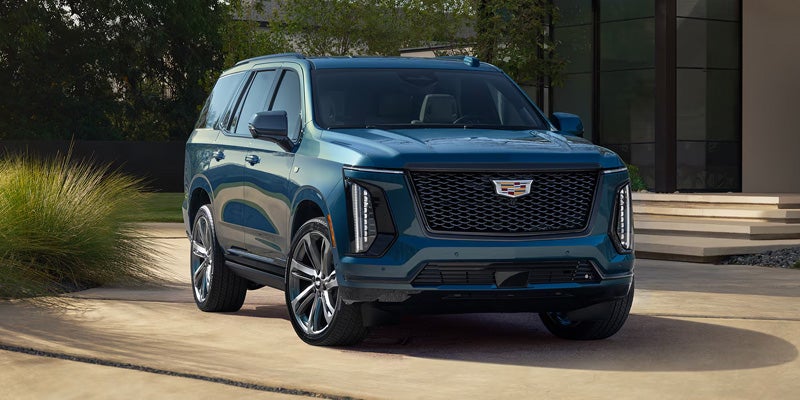
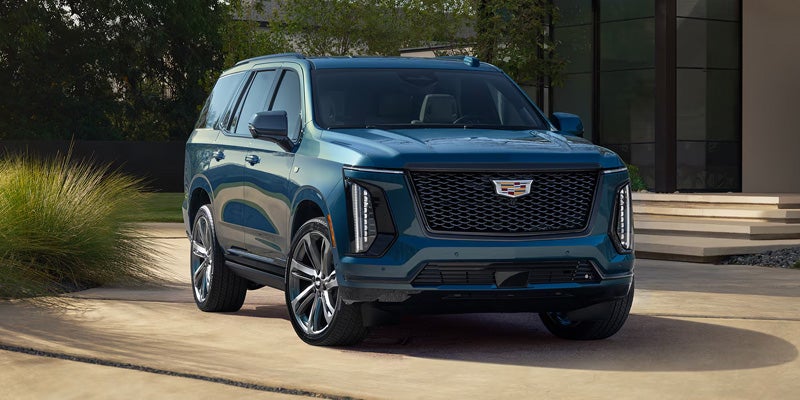
The Cadillac Escalade is engineered to deliver presence, capability, and refinement at a scale few SUVs attempt. Its appeal is not rooted in excess for its own sake, but in how space, technology, and material quality work together to create a controlled, confident driving experience. Understanding how Escalade trims differ and how its systems function in real use is essential for buyers evaluating full-size luxury SUVs. Platform and Structural Intent Escalade is built on a full-size body-on-frame platform designed to support significant passenger load, cargo capacity, and long-term durability. This architecture allows Cadillac to deliver interior volume and stability that unibody SUVs cannot match. Key platform characteristics include: High load capacity without compromising ride composure Structural rigidity supporting advanced suspension systems Elevated driving position enhancing visibility and control This foundation is what enables Escalade to feel composed rather than cumbersome, even at its size. Interior Space and Passenger Comfort Escalade interior space is designed to be used, not merely measured. All three rows are engineered for adult comfort, not occasional seating. Passenger experience highlights: Generous legroom across all rows Wide seating surfaces improving long-distance comfort Flat load floor when seats are folded for cargo flexibility Cargo space behind the third row supports real luggage and gear, not just small items. With seats folded, Escalade transitions easily from people mover to cargo hauler without compromise. Suspension and Ride Control Systems Ride quality is one of Escalade’s defining traits. Its suspension systems actively manage road conditions and vehicle load. Core systems include: Adaptive suspension adjusting damping in real time Magnetic ride control responding to road inputs within milliseconds Load leveling behavior maintaining ride height under passenger or cargo weight These systems allow Escalade to isolate occupants from road imperfections while preserving control at highway speeds. Technology as a Core Feature Technology in Escalade is integrated into the driving and ownership experience rather than layered on top. Key technology areas buyers evaluate: Curved display interface presenting navigation, vehicle data, and media with clarity Advanced driver assistance systems reducing fatigue on long drives Surround vision and parking assistance supporting maneuverability Technology is designed to enhance awareness and confidence, not distract from driving. Trim Level Differentiation Explained Escalade trims are structured to escalate experience, not simply add cosmetic changes. Lower trims establish: Full size luxury space Comprehensive safety and infotainment systems Strong material quality Mid trims add: Enhanced interior finishes Additional driver assistance and convenience features Expanded technology integration Upper trims focus on: Premium materials and craftsmanship Advanced comfort features Visual distinction aligned with Cadillac’s design language Understanding trim differences helps buyers select a configuration that aligns with how the vehicle will be used daily. Ownership Considerations at Full Size Scale Escalade ownership reflects its size and capability. Important factors include: Fuel use aligned with vehicle mass Tire and brake wear proportional to size Maintenance intervals designed for long-term durability For buyers who regularly carry passengers or value maximum interior presence, these considerations are part of the Escalade experience. Escalade’s Role in the Luxury SUV Segment Escalade is not designed to blend into the luxury SUV landscape. It is engineered to lead through space, technology, and confidence rather than minimalism. Its value lies in: Delivering comfort without constraint Providing technology that scales with size Maintaining composure under real world demands Final Buyer Perspective The Cadillac Escalade remains the reference point for full-size luxury SUVs because it integrates space, technology, and refinement into a cohesive experience. Buyers who understand how its systems and trims align with their needs are rewarded with an SUV that delivers presence with purpose.

Contact Us

Fill out this form below and we'll contact you shortly
*Required Fields