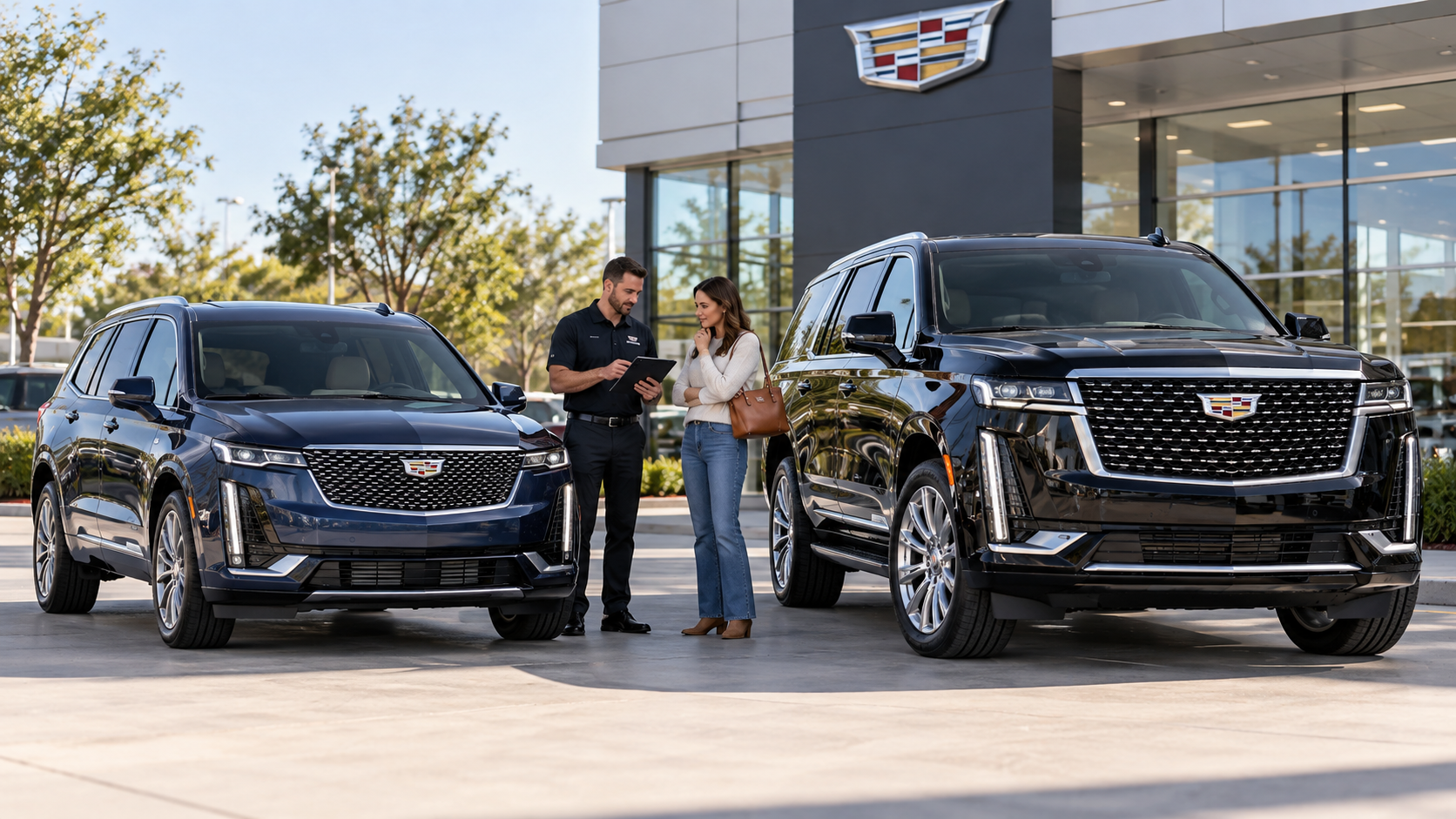
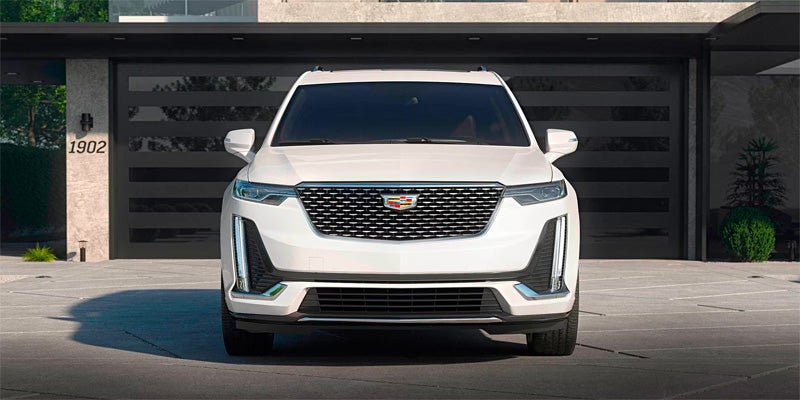
Cadillac XT5 vs Lexus RX research for 2026 starts with the tasks each SUV must handle. Both provide two rows and seating for five. However, their cargo measurements, engine choices, cabin controls, and propulsion paths differ. Those details shape commuting, family travel, errands, and weekend loading. The XT5 offers two gasoline engines and a larger published cargo maximum. By contrast, the RX 350 uses one turbocharged gasoline engine. Lexus also offers separate RX hybrid and plug in hybrid models. Therefore, a fair comparison begins with the RX 350 before considering electrified alternatives. Which SUV Fits Your Daily Drive More Naturally? Daily fit comes from passenger space, cargo layout, power delivery, controls, and purchase priorities. However, exterior length alone cannot answer that question. Instead, sit in both rows and complete the tasks you handle each week. The 2026 XT5 measures 189.6 inches long. The RX measures 192.5 inches long. Still, the longer exterior does not give the RX every interior advantage. Furthermore, cabin packaging controls how each inch serves passengers and cargo. During a commute, notice seat support, visibility, steering effort, and control placement. In addition, test phone pairing, climate adjustments, navigation, and camera views. These tasks reveal more than screen size alone. more Additionally, check rear door openings and foot space beneath the front seats. Moreover, install any child seats you expect to use. Confirm that front occupants retain comfortable legroom after each seat is secured. Cadillac XT5 vs Lexus RX shoppers should also consider garage length and parking space. The XT5 has a shorter published length. Therefore, it may leave more room around the vehicle in tighter spaces. Cadillac XT5 vs Lexus RX Cargo and Passenger Space The XT5 lists 30 cubic feet behind its rear seats. With those seats folded, Cadillac lists 63 cubic feet. The RX provides about 29.6 cubic feet with its seats upright. Lexus lists about 46.2 cubic feet with them folded. The upright figures sit close together. However, the folded figures show a larger difference. The XT5 may suit drivers who carry boxes, home supplies, luggage, or sports gear. Still, published volume does not explain cargo shape. Therefore, inspect the opening width, floor height, side trim, and roof slope. A square item may fit one cargo area better despite similar upright measurements. Moreover, rear legroom separates the published specifications. Cadillac lists 39 inches in the XT5. Lexus lists 37.4 inches in the RX. Consequently, taller rear passengers should sit behind their usual front seat position. Bring the items that define your routine. A stroller, mobility aid, golf bag, or pet crate can expose fit differences quickly. Additionally, fold each rear seat and note whether the floor supports longer items cleanly. The Cadillac XT5 vs Lexus RX space decision should come from both measurements and a loading test. Numbers establish the baseline. Your own cargo confirms the final fit. How Do the XT5 and RX Engine Choices Differ? The XT5 offers two gasoline engines. Its standard 2.0 liter turbo four cylinder produces 235 horsepower. An available 3.6 liter V6 produces 310 horsepower. The V6 comes with the middle trim and arrives standard on Sport. The RX 350 uses a 2.4 liter turbo four cylinder. Lexus also offers RX hybrid and plug in hybrid models. Therefore, shoppers interested in electrification have more RX powertrain paths. Within the XT5 range, the turbo engine may suit steady commuting and lower fuel use. By contrast, the V6 supplies quicker acceleration for highway merging and loaded trips. Test both with several passengers when possible. However, horsepower does not describe the entire drive. Transmission response, throttle tuning, vehicle weight, and all wheel drive also shape acceleration. Moreover, tire size can change steering feel and road feedback. A fair Cadillac XT5 vs Lexus RX review should compare similar configurations. Match gasoline with gasoline first. Then assess an RX hybrid separately, including its price and fuel requirements. Both nameplates offer all wheel drive on selected versions. Therefore, confirm the chosen drivetrain before comparing window stickers. Trim names do not always reveal every mechanical detail. Comfort Technology and Driver Controls Therefore, comfort starts with the seat, not the feature list. Spend enough time to judge thigh support, lower back support, cushion firmness, and headrest position. Additionally, adjust the steering wheel and mirrors before evaluating visibility. Road testing should include several surfaces. Use a slower street with patched pavement, a steady highway section, and a curved road. Consequently, you can judge impact response, body movement, wind noise, and steering effort. Technology also requires a task based review. Complete these checks before choosing: Pair your phone and start a familiar navigation route. Then change the destination without leaving the main screen. Adjust cabin temperature, fan speed, audio volume, and camera views while parked. Note how quickly each control responds. Test each driver assistance feature included on that exact trim. Confirm its alerts and control locations before entering traffic. Furthermore, wheel and tire choices deserve equal attention. Larger wheels usually use shorter tire sidewalls. Therefore, road texture may feel different, and replacement prices may rise. The XT5 retains familiar physical controls for several common functions. The RX uses its own screen and switch arrangement. Neither layout fits every driver equally. Still, a ten minute control test can reveal which cabin feels more natural. Which SUV Matches Your Routine? The XT5 presents a strong case for drivers who value maximum cargo room and available V6 power. Its shorter exterior length may also suit tighter parking areas. Furthermore, its published rear legroom supports regular adult passengers. By contrast, the RX 350 offers a turbocharged gasoline layout and separate electrified RX choices. Therefore, shoppers focused on hybrid driving may begin with Lexus. That path requires a separate price and fuel comparison. For daily errands, compare cargo access and cabin controls. For highway travel, compare seat support, noise, passing response, and driver assistance equipment. In addition, review warranty terms, insurance costs, and service records for the exact vehicles. Cadillac XT5 vs Lexus RX value cannot be judged from starting prices alone. Compare similar equipment, drivetrain, mileage, coverage, and dealer support. A lower price may omit features you plan to use. Ross Downing Cadillac can help you examine available XT5 models by engine, trim, drivetrain, and cabin equipment. Bring your regular passengers and cargo during the visit. Therefore, the final choice can reflect the way you drive each day.

Cadillac Service Near Me and Repair Pricing Questions
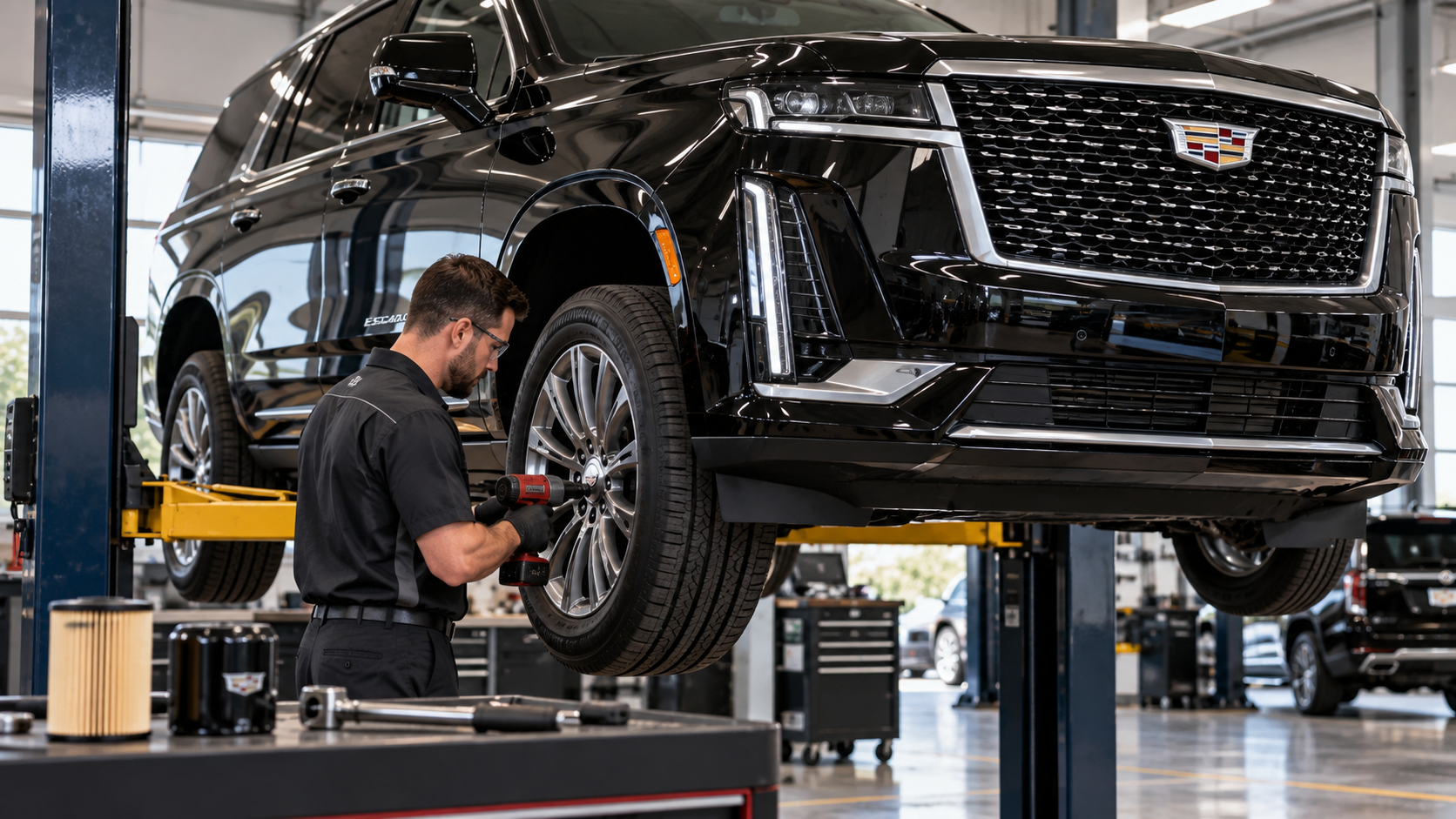
Cadillac service near me searches may begin when a warning light, noise, or driving concern appears. The next question usually involves price. Before approving work, owners should know what the estimate includes and which party pays each line. Therefore, clear questions can separate diagnosis, repair, warranty payment, recall work, and owner charges. A service advisor may begin with an initial diagnostic amount. That amount pays for technician testing and documented findings. However, it does not automatically include the repair. Once testing identifies the cause, the advisor can present recommended work and an itemized estimate. What Does Cadillac Service Pricing Include? A repair estimate may include diagnosis, parts, labor, taxes, supplies, and selected fees. Furthermore, each line represents a different part of the visit. Therefore, owners should ask which charges apply before testing begins. Diagnosis pays for the time and equipment used to trace the concern. For this reason, a warning light may point toward several possible causes. The technician may inspect wiring, scan vehicle data, test a component, or reproduce the concern on a road test. more Ask whether the diagnostic amount remains due when you decline the repair. Also, ask whether it will be credited toward approved work. Cadillac states that a diagnostic charge may apply before warranty status is confirmed. When Cadillac approves the repair under warranty, that diagnostic charge is reimbursed. Parts pricing covers the components required for the approved repair. Labor pricing covers the technician time assigned to complete it. In addition, taxes, disposal charges, or shop supplies may appear as separate lines. Additionally, the first estimate should describe the diagnosed cause and proposed correction. It should also state the total you are approving. If any line is unclear, ask the advisor to explain it before work begins. Ask Whether the Repair Is Warranty Covered However, an active warranty does not make every service visit free. Coverage rests on the diagnosed cause, vehicle age, mileage, written terms, and repair history. Therefore, the dealership must complete diagnosis before confirming payment. Cadillac’s bumper to bumper limited warranty covers qualifying defects in materials or workmanship for four years or 50,000 miles. Covered repairs include parts and labor. Maintenance, normal wear, collision damage, misuse, and unauthorized alterations may remain owner paid. Ask which written warranty section applies to the repair. The answer may involve bumper to bumper, powertrain, emissions, or another Cadillac warranty. Furthermore, ask whether Cadillac must review the claim before work begins. Recall work follows another payment path. Cadillac states that eligible recall repairs carry no owner charge at a GM dealer. However, unrelated maintenance or repairs during the same visit may still carry charges. A Cadillac Protection Plan or another service contract also follows its own written terms. It may carry covered component lists, exclusions, deductibles, and claim steps. Bring the agreement or contract information to the appointment. Before approval, ask these questions: Which repair lines will Cadillac pay under the factory warranty? Which lines fall under a recall, service contract, or owner payment? Does a deductible apply, and when must it be paid? The written estimate should separate each payment source. That structure makes the owner total easier to review. What Should You Review Before Approving Cadillac Repairs? Owners should review the diagnosed cause, proposed correction, itemized price, coverage decision, and approval total. Start with the complaint written on the repair order. It should match the concern you described at check in. Next, review the diagnosis. Ask what test confirmed the failed part or repair need. A clear diagnosis should connect the reported concern with the proposed work. Then review every price line. Confirm the parts, labor, diagnostic amount, taxes, supplies, and other charges. Ask whether the quoted parts are new GM parts, remanufactured parts, or another listed type. Also, ask whether the estimate includes all current findings. The technician may recommend urgent work and separate work that can wait. Request a written explanation of the timing for each item. Therefore, your approval should cover a specific repair and dollar amount. Do not assume a general approval covers later findings. Ross Downing Cadillac states that added work requires owner authorization before parts or labor enter the visit. Keep a copy of the approved estimate or save the text message. That record gives you a clear reference at vehicle pickup. Ask What Happens if More Work Is Found Testing or disassembly may reveal another damaged part. The advisor should explain the new finding before continuing beyond your approved amount. Therefore, set your communication preference during check in. Tell the advisor whether you prefer a phone call or text message. Confirm who may approve work when another household member handles the visit. Also, set a dollar limit that requires fresh authorization. A revised estimate should list the added finding, new work, new price, and updated total. Ask whether the first repair must be completed before another concern can be tested. Furthermore, ask whether declining the added work changes reassembly charges or vehicle safety. Use these questions when the estimate changes: What new finding appeared after the first diagnosis or disassembly? Can the added repair wait, or does it create an immediate safety concern? What is the revised owner total after warranty or contract payment? You may approve all work, approve selected lines, or decline added work. Ask the advisor to document your choice on the repair order. Also, request notes about any unfinished repair for your records. Additionally, parts availability can change the schedule. Ask whether the vehicle will remain assembled and secure while parts are ordered. Discuss transportation options separately, since loaner and rental availability varies by dealership. Compare the Final Repair Order With Your Approval The final repair order records the concern, diagnosis, correction, parts, labor, and charges. Compare it with the estimate before payment. Each completed line should match work you approved. First, review the owner total. Then locate any factory warranty, recall, or service contract payment. Confirm that the deductible matches the written agreement. Next, read the technician notes. They should explain what was found and what was replaced or repaired. Ask whether the repair includes a parts or labor warranty from the dealership or manufacturer. Review any declined or deferred work as well. Confirm whether the vehicle is safe to drive and when the remaining repair should return for review. Keep the final order with your maintenance records. Ross Downing Cadillac documents concerns at check in and presents findings before added work receives authorization. The final repair order provides the record of completed work and charges. Therefore, owners can compare what they approved with what the service department completed. When a Cadillac service near me search leads you to Ross Downing Cadillac, bring your warranty and contract documents. Ask for an itemized estimate before approving repair work. Clear documentation gives every party the same repair scope, payment path, and final total.