Blog / Hammond Cadillac Dealer

Blog

All Hammond Cadillac Dealer Hammond Cadillac Service Ross Downing Cadillac Service 2025 Cadillac XT4 Cadillac XT5 Escalade IQ Hammond Used Pre Owned Cadillac

Cadillac XT5 vs Lexus RX for Comfort Space and Value

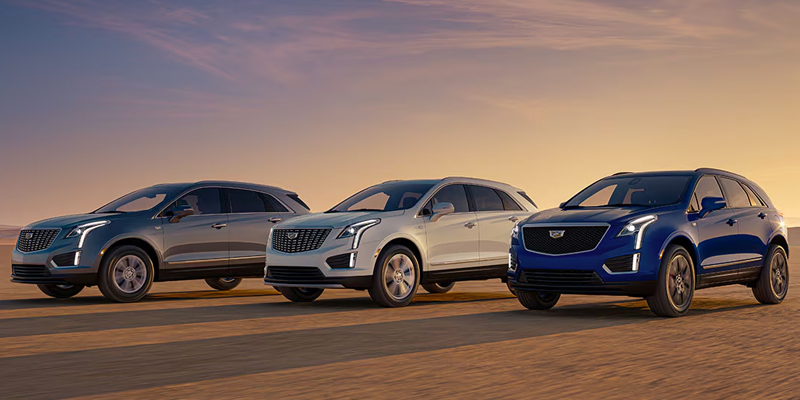
Cadillac XT5 vs Lexus RX research for 2026 starts with the tasks each SUV must handle. Both provide two rows and seating for five. However, their cargo measurements, engine choices, cabin controls, and propulsion paths differ. Those details shape commuting, family travel, errands, and weekend loading. The XT5 offers two gasoline engines and a larger published cargo maximum. By contrast, the RX 350 uses one turbocharged gasoline engine. Lexus also offers separate RX hybrid and plug in hybrid models. Therefore, a fair comparison begins with the RX 350 before considering electrified alternatives. Which SUV Fits Your Daily Drive More Naturally? Daily fit comes from passenger space, cargo layout, power delivery, controls, and purchase priorities. However, exterior length alone cannot answer that question. Instead, sit in both rows and complete the tasks you handle each week. The 2026 XT5 measures 189.6 inches long. The RX measures 192.5 inches long. Still, the longer exterior does not give the RX every interior advantage. Furthermore, cabin packaging controls how each inch serves passengers and cargo. During a commute, notice seat support, visibility, steering effort, and control placement. In addition, test phone pairing, climate adjustments, navigation, and camera views. These tasks reveal more than screen size alone. more Additionally, check rear door openings and foot space beneath the front seats. Moreover, install any child seats you expect to use. Confirm that front occupants retain comfortable legroom after each seat is secured. Cadillac XT5 vs Lexus RX shoppers should also consider garage length and parking space. The XT5 has a shorter published length. Therefore, it may leave more room around the vehicle in tighter spaces. Cadillac XT5 vs Lexus RX Cargo and Passenger Space The XT5 lists 30 cubic feet behind its rear seats. With those seats folded, Cadillac lists 63 cubic feet. The RX provides about 29.6 cubic feet with its seats upright. Lexus lists about 46.2 cubic feet with them folded. The upright figures sit close together. However, the folded figures show a larger difference. The XT5 may suit drivers who carry boxes, home supplies, luggage, or sports gear. Still, published volume does not explain cargo shape. Therefore, inspect the opening width, floor height, side trim, and roof slope. A square item may fit one cargo area better despite similar upright measurements. Moreover, rear legroom separates the published specifications. Cadillac lists 39 inches in the XT5. Lexus lists 37.4 inches in the RX. Consequently, taller rear passengers should sit behind their usual front seat position. Bring the items that define your routine. A stroller, mobility aid, golf bag, or pet crate can expose fit differences quickly. Additionally, fold each rear seat and note whether the floor supports longer items cleanly. The Cadillac XT5 vs Lexus RX space decision should come from both measurements and a loading test. Numbers establish the baseline. Your own cargo confirms the final fit. How Do the XT5 and RX Engine Choices Differ? The XT5 offers two gasoline engines. Its standard 2.0 liter turbo four cylinder produces 235 horsepower. An available 3.6 liter V6 produces 310 horsepower. The V6 comes with the middle trim and arrives standard on Sport. The RX 350 uses a 2.4 liter turbo four cylinder. Lexus also offers RX hybrid and plug in hybrid models. Therefore, shoppers interested in electrification have more RX powertrain paths. Within the XT5 range, the turbo engine may suit steady commuting and lower fuel use. By contrast, the V6 supplies quicker acceleration for highway merging and loaded trips. Test both with several passengers when possible. However, horsepower does not describe the entire drive. Transmission response, throttle tuning, vehicle weight, and all wheel drive also shape acceleration. Moreover, tire size can change steering feel and road feedback. A fair Cadillac XT5 vs Lexus RX review should compare similar configurations. Match gasoline with gasoline first. Then assess an RX hybrid separately, including its price and fuel requirements. Both nameplates offer all wheel drive on selected versions. Therefore, confirm the chosen drivetrain before comparing window stickers. Trim names do not always reveal every mechanical detail. Comfort Technology and Driver Controls Therefore, comfort starts with the seat, not the feature list. Spend enough time to judge thigh support, lower back support, cushion firmness, and headrest position. Additionally, adjust the steering wheel and mirrors before evaluating visibility. Road testing should include several surfaces. Use a slower street with patched pavement, a steady highway section, and a curved road. Consequently, you can judge impact response, body movement, wind noise, and steering effort. Technology also requires a task based review. Complete these checks before choosing: Pair your phone and start a familiar navigation route. Then change the destination without leaving the main screen. Adjust cabin temperature, fan speed, audio volume, and camera views while parked. Note how quickly each control responds. Test each driver assistance feature included on that exact trim. Confirm its alerts and control locations before entering traffic. Furthermore, wheel and tire choices deserve equal attention. Larger wheels usually use shorter tire sidewalls. Therefore, road texture may feel different, and replacement prices may rise. The XT5 retains familiar physical controls for several common functions. The RX uses its own screen and switch arrangement. Neither layout fits every driver equally. Still, a ten minute control test can reveal which cabin feels more natural. Which SUV Matches Your Routine? The XT5 presents a strong case for drivers who value maximum cargo room and available V6 power. Its shorter exterior length may also suit tighter parking areas. Furthermore, its published rear legroom supports regular adult passengers. By contrast, the RX 350 offers a turbocharged gasoline layout and separate electrified RX choices. Therefore, shoppers focused on hybrid driving may begin with Lexus. That path requires a separate price and fuel comparison. For daily errands, compare cargo access and cabin controls. For highway travel, compare seat support, noise, passing response, and driver assistance equipment. In addition, review warranty terms, insurance costs, and service records for the exact vehicles. Cadillac XT5 vs Lexus RX value cannot be judged from starting prices alone. Compare similar equipment, drivetrain, mileage, coverage, and dealer support. A lower price may omit features you plan to use. Ross Downing Cadillac can help you examine available XT5 models by engine, trim, drivetrain, and cabin equipment. Bring your regular passengers and cargo during the visit. Therefore, the final choice can reflect the way you drive each day.

Cadillac LYRIQ Trim Levels Luxury 1 Through Luxury 3

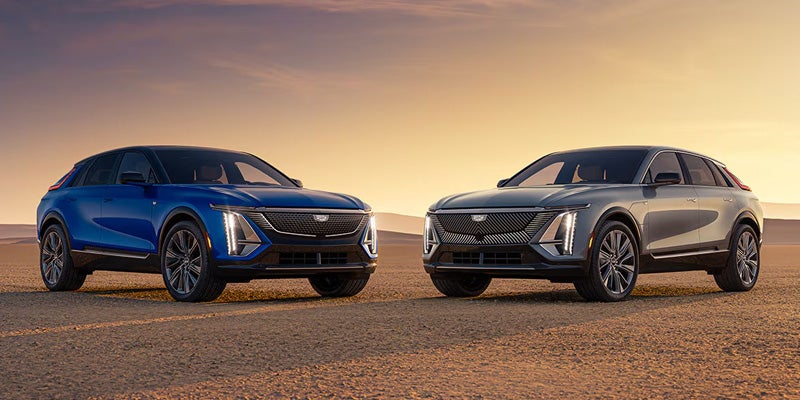
Cadillac LYRIQ trim levels for 2026 include Luxury 1, Luxury 2, and Luxury 3. Each step adds a different mix of technology, comfort, and cabin detail. However, the trim number does not choose the motor layout for you. Rear wheel drive comes standard, while all wheel drive remains available across the three levels. That distinction shapes the shopping process. First, choose the equipment level that fits your routine. Then compare rear wheel drive and all wheel drive within that level. This keeps trim features separate from powertrain choice and makes each test drive more useful. How the 2026 Cadillac LYRIQ Trim Levels Work The three numbered levels form a clear equipment ladder within the bright exterior theme. Luxury 1 establishes the core cabin and electric driving setup. Luxury 2 adds major driver technology and front seat upgrades. Luxury 3 adds rear cabin comfort, larger wheels, and selected security equipment. How do these Cadillac LYRIQ trim levels differ? The answer starts with where each upgrade changes your day. Some features support highway travel. Others focus on seat comfort, sound quality, rear passengers, or cargo privacy. more The Sport range follows a similar numbered structure. Its main distinction is a darker exterior treatment. Therefore, shoppers can compare appearance separately from cabin equipment and motor choice. This structure also prevents a common misunderstanding. Moving from Luxury 1 to Luxury 3 does not automatically add all wheel drive. The second motor remains a separate configuration choice. As a result, two vehicles with the same trim name may still have different power delivery. What Comes With Cadillac LYRIQ Luxury 1 Luxury 1 already includes the main LYRIQ cabin and display layout. The wide 33 inch display places driving information, navigation, media, and vehicle settings within one curved panel. In addition, Google built in services support maps, voice commands, and connected apps. The front seats include heat, while the panoramic glass roof opens the cabin visually. Wireless phone integration reduces cable clutter. Furthermore, the power liftgate supports loading when your hands are full. Luxury 1 also includes a broad group of driver support features. These features watch surrounding traffic, warn about selected hazards, and support braking or lane guidance when needed. Still, drivers remain responsible for steering, speed, and attention. Can Luxury 1 include all wheel drive? Yes. Rear wheel drive comes standard, and dual motor all wheel drive remains available. Therefore, a shopper can choose added traction without moving to Luxury 2 or Luxury 3. For daily commuting, Luxury 1 may cover the main needs. It brings the signature display, strong cabin technology, and electric driving without the added equipment from the next two levels. What Makes Cadillac LYRIQ Luxury 2 Different? Luxury 2 adds the largest driver technology and front seat upgrade package. Super Cruise leads that change. On compatible roads, it can manage steering and speed while the driver remains attentive. A driver facing camera checks attention throughout the trip. That feature may carry the most weight for regular highway travel. However, the value of Luxury 2 extends beyond Super Cruise. Ventilated front seats add cooling air through the seat surface. Lumbar massage adds movement through the lower seat area during longer drives. The 19 speaker AKG Studio audio setup also changes the cabin. More speakers place sound across a wider area, while active noise cancellation reduces selected low frequency sounds. Consequently, music and spoken audio can feel clearer at highway speeds. Luxury 2 also adds a Rear Camera Mirror and a hands free liftgate. The mirror can show a camera view from behind the vehicle. At the same time, the liftgate can open through a foot motion when the key is nearby. For shoppers comparing Luxury 1 and Luxury 2, the question is direct. Will highway support, seat cooling, massage, audio, and loading access matter each week? When the answer is yes, the middle level may justify the added price. What Cadillac LYRIQ Luxury 3 Adds Luxury 3 builds on the second level with more rear cabin attention. Heated rear outboard seats give passengers warmth in cool months. Three zone climate control gives the rear area its own temperature setting. Therefore, families or frequent passengers gain more control over cabin comfort. The 22 inch wheels create the most visible exterior change. Their larger diameter and lower profile tires sharpen the visual stance. Still, shoppers should test ride quality on familiar roads. Tire replacement cost and estimated driving distance also deserve review. Does Luxury 3 add more motor output? No. Motor layout remains a separate choice. A rear wheel drive Luxury 3 and an all wheel drive Luxury 3 deliver different power. However, both share the same trim equipment. Luxury 3 also adds a cargo cover and selected theft detection equipment. The cover keeps items out of sight behind the rear seats. In addition, the added security features can watch for selected forms of forced entry or vehicle movement. This level fits shoppers who carry rear passengers regularly or prefer the larger wheel design. By contrast, solo commuters may use fewer of these added features. Which 2026 Cadillac LYRIQ Trim Fits Your Drive The right choice starts with the features you will use each week. Luxury 1 suits drivers who want the core display, heated seating, panoramic roof, and electric driving setup. Luxury 2 suits longer highway travel and drivers who value seat cooling, massage, audio, and Super Cruise. Luxury 3 suits households that carry rear passengers and want larger wheels with added cabin detail. Before choosing, compare these points: Choose the equipment level first. Then compare rear wheel drive and all wheel drive within that level. Test Super Cruise, seat controls, audio, climate settings, and the Rear Camera Mirror during your visit. Compare wheel size, tire profile, ride feel, rear seat use, and cargo privacy before judging the final price. Cadillac LYRIQ trim levels can look simple on paper, yet the best fit becomes clearer inside the vehicle. Sit in each seating row. Use the display. Test the liftgate and camera views. Then compare the exact features on the window sticker. Ross Downing Cadillac can guide your review of available 2026 LYRIQ models side by side. That comparison keeps the focus on your commute, passenger needs, charging plans, and preferred motor layout.

CT5-V vs CT5-V Blackwing: How the Two Cadillacs Differ

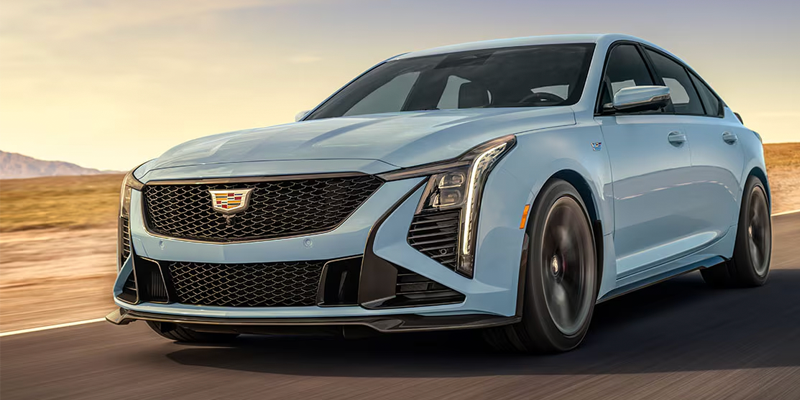
The CT5-V and CT5-V Blackwing share a nameplate, a platform, and a body. The two cars are separated by roughly $40,000, 308 horsepower, and a fundamental difference in driving intent. One is a sport sedan that balances daily comfort with genuine driving capability. The other is a hand-built, track-ready machine that happens to function as a daily driver. Understanding where the two cars diverge at the hardware level makes the decision straightforward. The Powertrain Gap: Twin-Turbo V6 vs Supercharged V8 The CT5-V uses a 3.0L twin-turbo V6 producing 360 horsepower and 405 lb-ft of torque. The CT5-V Blackwing uses a 6.2L supercharged V8 producing 668 horsepower and 659 lb-ft of torque. That gap is 308 horsepower and 254 lb-ft of torque. Both figures are significant. That torque difference is what shapes how each car feels at everyday driving speeds. The twin-turbo V6 builds boost as exhaust energy accumulates. Peak torque arrives higher in the RPM range as a result. The engine pulls strongly from 2,500 RPM upward and delivers a 4.6-second 0-60 time. That is quick for a full-size sport sedan. The supercharged V8 in the Blackwing operates differently. Boost is mechanically driven from the crankshaft at all times. The full torque figure is available from low RPM. The engine does not need to build into a power band first. The result is 3.4 seconds to 60 mph and an engine character that feels immediate at any throttle position. more The Blackwing engine is hand-assembled and each unit is signed by the technician who built it. That process reflects both the output level and the manufacturing tolerances required to sustain it. Transmission: Automatic Only vs Manual Available The CT5-V is available exclusively with a 10-speed automatic transmission. The CT5-V Blackwing offers a choice: the same 10-speed automatic or a 6-speed manual. That option is one of the most significant features separating the two cars. It requires context to evaluate correctly. A 6-speed manual in a 668-horsepower rear-wheel-drive sedan is a specific ownership proposition. On a track day, the manual gives the driver direct control over gear selection and rev matching. No automatic replicates that connection. The engagement is complete. Every gear change is a physical action with mechanical consequence. The manual Blackwing is one of very few cars in its class that still offers that connection. By contrast, in daily driving, the manual requires more attention in traffic and adds fatigue on long highway trips. The 10-speed automatic Blackwing is the more practical choice for mixed-use owners. That version loses none of the engine's character. The automatic holds gears aggressively in Sport and Track modes. It responds to paddle shifters with a precision that most dual-clutch units would not improve on. The choice between them comes down to how the owner plans to use the car. Chassis and Suspension: AWD Option vs RWD Only The CT5-V is available in rear-wheel drive as standard or all-wheel drive as an option. That choice is not available on the Blackwing. The CT5-V Blackwing is rear-wheel drive only. That distinction is worth understanding before the purchase decision. It matters most for owners in climates where winter driving is a consistent concern. The Blackwing is RWD only by engineering intent. At 668 horsepower and 659 lb-ft of torque, routing power through an AWD system would require significant drivetrain compromises. Those compromises would blunt the balanced chassis response that defines the Blackwing's character. The rear-wheel-drive layout keeps weight distribution centered and gives the chassis a direct, predictable response to throttle inputs. That is the setup that produces the Blackwing's driving dynamics. AWD would blunt both the character and the balance. Both cars use Magnetic Ride Control, but the calibrations are different. The CT5-V's MRC setup prioritizes a dual-character range between comfort and sport driving. The Blackwing's MRC calibration is tuned further toward the aggressive end of the range. In Tour mode, the Blackwing is still composed and liveable on a daily commute. In Sport and Track modes, the dampers stiffen to a degree that the CT5-V's calibration does not reach. That extended range is what makes the Blackwing function credibly on a track. A dedicated track car is not required to use it. Brakes: What Changes at All Four Corners The CT5-V uses Brembo front brake calipers paired with standard rear calipers. The CT5-V Blackwing uses Brembo calipers at all four corners. Six-piston units up front, four-piston units in the rear. That is not a cosmetic upgrade. It is a direct response to the stopping demands the Blackwing creates. It is a hardware requirement given the Blackwing's output and the stopping demands that follow from it. At 3.4 seconds to 60 mph, the kinetic energy the Blackwing generates under acceleration creates a corresponding braking obligation. Brembo rear calipers distribute brake force across the full axle. That improves straight-line stopping stability and reduces front axle load under hard deceleration. That load reduction is what prevents front brake fade under repeated high-speed stops. On a track, that difference becomes measurable. Pedal consistency holds across multiple hard braking zones in a way that front-only hardware does not sustain. The Blackwing also receives larger rotor diameters front and rear compared to the CT5-V. Greater rotor diameter increases leverage available to each caliper. That lowers the pedal effort required to produce a given deceleration force. The Blackwing's brake system is more capable under sustained load. It is also more responsive at moderate braking inputs. Exterior and Interior: How to Tell Them Apart The CT5-V and CT5-V Blackwing share the same body shell, which means visual differentiation requires knowing where to look. Several exterior details distinguish the Blackwing from the standard V. That differentiation requires knowing where to look. The Blackwing has functional front brake cooling vents behind the front wheel openings. Those openings feed air directly to the front brake rotors and are absent on the CT5-V. The rear diffuser on the Blackwing is more aggressive in depth and angle. The rear exhaust tips are quad-exit on the Blackwing compared to the dual-exit setup on the CT5-V. The Blackwing also receives a larger front splitter. Available carbon fiber exterior trim is exclusive to the Blackwing and not offered on the CT5-V. The Blackwing's interior carries a serialized build plate showing the unit number in the production sequence. That detail is specific to the hand-build program and does not appear in the CT5-V. Carbon fiber trim packages are available exclusively on the Blackwing. Those include carbon fiber seat backs, door inserts, and steering wheel trim that are not offered at any price on the standard V. Both cars share the same 33-inch diagonal curved display and the Super Cruise hands-free driving system. Interior space, seating, and technology content are functionally identical between the two models. The practical takeaway is that the two cars are nearly indistinguishable to casual observation. The brake cooling vents and exhaust tip configuration are the most reliable visual identifiers at a distance. Price Gap Breakdown: What the $40,000 Buys The CT5-V starts at approximately $57,600. The CT5-V Blackwing starts at approximately $97,600. That $40,000 gap is the most searched question in this comparison and the least answered. That breakdown follows in hardware terms. The largest single cost driver is the powertrain. The 6.2L supercharged V8 is hand-assembled and signed. That reflects both the parts cost and the labor investment of the build program. The Eaton supercharger, the hand-assembly process, and the output-specific internal components are not shared with any other Cadillac model. That exclusivity is a direct cost driver. The full Brembo brake system at all four corners adds cost over the front-only configuration in the CT5-V. The more aggressive MRC calibration is specific to the Blackwing. The additional chassis tuning work also does not carry over from the standard V platform. The 6-speed manual transmission option adds development and tooling cost that is exclusive to the Blackwing. The carbon fiber program, the serialized build plate, and the exclusive exterior cooling hardware are each Blackwing-specific. Against direct competitors, the Blackwing's pricing aligns with the BMW M3 and sits slightly below the Mercedes-AMG C63. Both European rivals carry similar or higher starting prices for comparable output. The Blackwing adds the manual option and the hand-build program. Those competitors do not consistently match that combination at this price point. The CT5-V at $57,600 suits the owner who wants sport sedan capability and AWD availability. It does not require commitment to the Blackwing's focused intent and price. The Blackwing at $97,600 is for the owner who wants one of the last manual-transmission V8 sport sedans of its generation. That proposition is specific. It is also exactly right for the buyer it suits.

Escalade V Performance: Supercharged Power Explained

Escalade V performance begins with a figure that stops most conversations cold. A 6,200-pound full-size SUV reaches 60 mph in 4.4 seconds. That number is not a track-only result. It is repeatable in standard trim, on public roads, in full-size three-row SUV form. However, understanding why that figure is possible means looking past the horsepower rating. The engineering behind it is what makes that number credible at this weight. The Supercharged 6.2L V8: How 682 Horsepower Works The Escalade V is powered by a hand-built, signed 6.2L supercharged V8 producing 682 horsepower and 653 lb-ft of torque. The supercharger is an Eaton TVS 2650 positive displacement unit mounted in the valley of the engine. It differs from a turbocharger in one critical way: it is mechanically driven by the crankshaft rather than exhaust gas. As a result, boost pressure builds immediately at engine startup. There is no lag period while exhaust energy accumulates. That distinction matters at the weights and speeds where most driving occurs. At 1,500 to 3,500 RPM, the supercharged V8 delivers the majority of its torque. That range covers city acceleration, highway merging, and passing maneuvers. The engine does not need to be wound up to produce force. Force is available from the moment the throttle opens. Paired with a 10-speed automatic transmission, the drivetrain manages gear selection precisely. It keeps the engine planted inside that torque band across a wide range of inputs. The result is acceleration that feels immediate rather than building progressively. more The engine is hand-assembled at GM's Performance Build Center and each unit is signed by the technician who built it. That process reflects both the mechanical complexity of the assembly and the tolerance standards required at this output level. Magnetic Ride Control: The Suspension Behind the Numbers A 682-horsepower rating means very little in a vehicle this size without a capable suspension. The forces that follow that output demand more than a standard adaptive setup. The Escalade V uses air ride adaptive suspension combined with Magnetic Ride Control. That system is the fourth generation of GM's magnetorheological damper technology. The mechanism behind MRC is specific. Each damper contains magnetorheological fluid, which is a carrier fluid holding iron particles in suspension. When an electrical current passes through the fluid, the iron particles align and the fluid stiffens. When the current is reduced, the particles return to suspension and the fluid softens. The transition from soft to firm takes under 10 milliseconds. That response speed is what separates MRC from conventional adaptive suspension. A standard adaptive damper opens and closes mechanical valves to change firmness. Those valves require significantly more time to move than iron particles require to align. At 6,200 pounds, the Escalade V encounters substantial momentum on every road input. A pothole, expansion joint, or mid-corner bump applies force to the suspension. The vehicle must absorb that force and recover before the next input arrives. MRC responds before the body has fully moved. That is what allows this SUV to feel composed over broken pavement at speed. In Tour mode, the calibration prioritizes ride absorption. In Sport and V-Mode, the current increases and the dampers hold firmer through the same inputs. The same physical mechanism delivers both characters on demand. Drive Modes: What Each Setting Changes at the System Level The Escalade V offers five drive modes: Tour, Sport, Snow/Ice, Tow/Haul, and V-Mode. Each mode simultaneously adjusts multiple vehicle subsystems, not just throttle response. In Tour mode, the throttle map is calibrated for gradual response and MRC dampers hold a softer baseline. The exhaust valves remain partially closed and AWD torque favors front-biased delivery. This is the mode that makes the Escalade V feel like a well-sorted full-size SUV on a daily commute. Sport mode sharpens throttle mapping and firms the MRC calibration. It opens the exhaust valves for the full sound signature and shifts AWD torque toward rear-biased delivery. V-Mode takes every Sport calibration further. Throttle response becomes near-instantaneous, the electronic limited-slip differential engages active torque distribution across the rear axle, launch control becomes available, and the exhaust opens fully. V-Mode is a complete reconfiguration of the drivetrain and chassis into a performance-first state. Snow/Ice reduces throttle sensitivity, softens MRC calibration, and redistributes AWD torque toward a conservative front-biased split to manage traction on low-grip surfaces. Tow/Haul modifies transmission shift scheduling to favor lower gear hold under load, adjusts engine braking on downhill grades, and softens rear suspension calibration to accommodate trailer tongue weight. These modes are not software-only toggles. Each one changes physical hardware states: electrical current to the dampers, exhaust valve position, differential torque targets, and transmission programming. The vehicle leaving your driveway in Tour mode is mechanically configured differently than the same vehicle departing in V-Mode. Braking at This Weight and Power Level Acceleration from rest in 4.4 seconds creates a corresponding obligation: the vehicle must return to zero with the same authority. The Escalade V uses six-piston Brembo front calipers paired with 16.1-inch two-piece rotors. The rear uses four-piston Brembo calipers. Six pistons distribute clamp force more evenly across the pad surface than a two or four-piston design. That even distribution reduces the likelihood of thermal fade under repeated hard stops. At 6,200 pounds, kinetic energy at 60 mph is substantially higher than in a standard passenger car. The rotor diameter increases the mechanical leverage available to the caliper. That leverage reduces pedal effort required to produce a given deceleration force. The two-piece rotor construction serves a thermal purpose. The aluminum hat that mounts the rotor to the hub conducts heat away from the iron rotor face more efficiently than a full cast iron design. Under sustained downhill braking or repeated hard deceleration, that heat path helps maintain consistent pedal feel and brake response. The Brembo package is not a styling upgrade. It is a structural requirement given the output and mass this vehicle manages at speed. Escalade V vs Escalade V ESV: Wheelbase, Space, and What Changes The Escalade V is also available in ESV configuration, which extends the standard 121-inch wheelbase to 134 inches. That 13-inch addition is not simply a longer cargo area bolted to the same frame. The ESV uses a longer frame section between the B-pillar and the rear axle. That extension increases second-row legroom and third-row entry space without altering the front cabin geometry. The powertrain, supercharger calibration, and MRC setup carry over unchanged from the standard Escalade V. The Brembo brake package and drive mode structure are identical. Where the ESV diverges is in weight and dynamic character. The ESV adds approximately 200 pounds over the standard Escalade V. That additional mass is concentrated behind the rear axle, which shifts the vehicle's rotational balance point rearward. The result is a slightly more deliberate response to steering inputs in tighter environments. On highway routes that difference is not significant. For shoppers whose primary concern is interior space, the ESV third row becomes genuinely usable rather than occasional. Furthermore, cargo space behind the third row expands to 41.5 cubic feet. That compares to 25.5 cubic feet in the standard configuration. Pricing for the Escalade V ESV starts above $170,000 and can reach $190,000 in fully configured form. Shoppers should evaluate whether the space addition justifies the weight increase. That decision should happen before selecting the longer wheelbase. Escalade V Price: What the V-Series Engineering Buys The Escalade V starts at approximately $160,000, placing it $50,000 to $60,000 above a comparably equipped standard Escalade. The standard model uses a 420-horsepower naturally aspirated 6.2L V8. It does not receive the Eaton supercharger, the hand-build assembly process, or the signed engine certification. The suspension uses magnetic ride control in a comfort-tuned calibration rather than the dual-character range of the V-Series setup. Single-piston front brake calipers replace the six-piston Brembo units. The electronic limited-slip differential, V-Mode configuration, and active exhaust are all absent from the standard model. The supercharger assembly and calibration represent the largest single hardware investment. Beyond that, upgraded Brembo brake hardware and revised MRC tuning add measurable engineering content. The electronic rear differential and active exhaust valve system are also absent from the standard Escalade. Against rivals like the Mercedes-AMG GLS 63 and BMW Alpina XB7, both of which carry similar or higher pricing, the Escalade V delivers comparable straight-line output. It also provides full-size American SUV interior volume and three-row seating that neither European competitor matches. The Escalade V towing capacity is rated at 7,000 pounds. By contrast, the standard 6.2L Escalade carries an 8,200-pound rating. That reduction reflects the AWD configuration and differential tuning required to manage 653 lb-ft of torque under launch conditions. Shoppers who require maximum towing should factor that trade-off in early. The V-Series premium should not enter the calculation without that consideration.

Air Suspension vs Magnetic Ride in Cadillac SUVs

Air suspension vs magnetic ride comparisons have become increasingly common among Cadillac shoppers trying to understand why Escalade ride quality feels different from traditional SUV suspension setups. Cadillac uses multiple adaptive suspension technologies to manage body movement, road isolation, steering response, and passenger comfort during driving. Buyers researching these systems are usually trying to understand what changes physically underneath the SUV, how the suspension reacts while driving, and what ownership considerations exist years after purchase. Cadillac Magnetic Ride Control Changes Damping in Real Time What is Cadillac Magnetic Ride Control? Magnetic Ride Control is an adaptive damping suspension technology that changes shock absorber firmness electronically by using magnetically responsive fluid inside the dampers. Inside each shock absorber is a fluid containing microscopic metallic particles. When electrical current passes through the suspension system, those particles react almost instantly, changing the fluid resistance inside the damper. That resistance controls how quickly the suspension compresses and rebounds over bumps, pavement transitions, braking, and cornering. The suspension sensors continuously monitor wheel movement and road surface changes while the SUV is in motion. The control module processes that information rapidly and adjusts damping force almost immediately. This allows the suspension to tighten during sharper body movement while remaining softer during smoother highway travel. In Cadillac SUVs like the CT5, Magnetic Ride Control changes how the body reacts over uneven pavement. Instead of allowing larger body motions after bumps or lane changes, the adaptive dampers manage vertical movement more tightly. This creates noticeable differences during: more • Highway expansion joints • Uneven pavement transitions • Cornering body movement • Heavy braking situations • Sudden steering corrections The technical advantage comes from adjustment speed. Traditional suspension damping remains fixed until physical components compress and rebound mechanically. Magnetic Ride Control changes damping electronically while the vehicle is already reacting to the road. Air Suspension Changes Ride Height and Load Control How does air suspension work? Air suspension replaces traditional steel spring support with pressurized air springs that adjust ride height and load leveling dynamically. Instead of relying only on fixed coil springs, the suspension uses compressed air chambers controlled through valves, sensors, and onboard compressors. As the SUV gains passengers, cargo, or trailer weight, the system adjusts air pressure to maintain a more balanced ride height. The Escalade (on select trims) uses air suspension to manage body posture while also increasing ride isolation across rougher road surfaces. Because air springs absorb impacts differently than steel springs, the suspension can smooth out sharper pavement transitions more effectively during highway driving. Ride height adjustment also changes vehicle posture during loading and travel. The suspension can lower slightly for easier passenger entry or cargo loading, then raise back to driving height once underway. This setup changes how the SUV handles: • Passenger weight distribution • Rear cargo loading • Highway body stability • Rough pavement isolation • Trailer tongue weight leveling Air suspension also alters how the SUV settles during longer highway drives. The suspension absorbs road irregularities with softer initial compression while maintaining enough support to control larger body movement. Drivers comparing suspension setups should understand that air suspension and Magnetic Ride Control serve different functions. Air suspension primarily manages ride height support and spring behavior. Magnetic Ride Control manages damping response and body motion timing. Cadillac Combines These Technologies for Escalade Ride Quality Why does the Escalade feel smoother than many other SUVs? The Escalade combines multiple suspension technologies together to manage body movement, ride isolation, wheel control, and passenger comfort simultaneously. Magnetic Ride Control reacts rapidly to changing road surfaces by adjusting damping force. Air suspension manages ride height and absorbs larger suspension impacts through pressurized air springs. When these technologies work together, the SUV maintains stronger body composure during highway travel while reducing harshness from rough pavement. Wheelbase length also contributes heavily to Escalade ride feel. A longer wheelbase spreads suspension movement across greater distance, reducing how sharply passengers feel pavement interruptions. Combined with adaptive damping and air spring support, the SUV creates calmer cabin movement during long distance driving. This coordination becomes noticeable during: • Highway cruising • Large pavement transitions • Multi passenger travel • Trailer hauling situations • Uneven road surfaces The suspension calibration continuously balances comfort and body control. Softer suspension tuning alone can create excessive body float during lane changes or braking. Firmer tuning alone can increase harshness over rough pavement. Cadillac blends adaptive damping with air spring support to control both situations simultaneously. Buyers should also understand that wheel size influences ride feel substantially. Larger wheel designs paired with lower profile tires transmit sharper impacts more directly into the suspension compared to taller tire sidewalls. Suspension Maintenance and Long Term Ownership Planning Is air suspension expensive to maintain? Air suspension and adaptive damping systems contain additional electronic and pneumatic components that eventually require inspection, maintenance, or replacement as mileage increases. Air suspension setups include compressors, ride height sensors, air lines, control modules, and pressurized air springs. Over time, seals and rubber materials may wear, potentially creating air leaks or slower ride height adjustment. Magnetic Ride Control dampers also experience wear because the internal suspension components cycle continuously during driving. As mileage accumulates, damping effectiveness may gradually decline. This does not mean suspension problems happen immediately or predictably. Component lifespan varies widely based on mileage, road surface quality, climate exposure, and driving patterns. Cadillac owners should pay attention to warning signs like: • Uneven ride height while parked • Excessive bouncing after bumps • Delayed suspension height adjustment • Compressor noise lasting longer than normal • Increased harshness over rough pavement Routine inspections become valuable because smaller suspension issues can place additional strain on surrounding components when ignored. Buyers researching Escalade ownership should understand that adaptive suspension technologies introduce more sophisticated ride management hardware than traditional fixed suspension layouts. That additional complexity creates different long term maintenance considerations alongside the smoother ride characteristics these systems provide. What Buyers Should Evaluate During a Suspension Focused Test Drive What should buyers evaluate during a suspension focused test drive? A suspension focused test drive should evaluate body movement, pavement isolation, steering stability, braking posture, and passenger comfort across multiple road surfaces. Short dealership loops alone rarely reveal suspension differences clearly. Buyers comparing Cadillac suspension technologies should drive across rough pavement, expansion joints, highway speeds, parking lots, and uneven surfaces whenever possible. During the test drive, shoppers should pay attention to: • How quickly the SUV settles after bumps • Cabin movement during lane changes • Suspension harshness over broken pavement • Steering stability at highway speeds • Passenger comfort in multiple seating rows The Escalade’s suspension setup prioritizes calmer body movement and smoother highway travel. Buyers commuting longer distances or carrying passengers frequently may notice those differences immediately during extended driving situations. For drivers visiting Ross Downing Cadillac, experiencing Cadillac suspension technology firsthand creates a much clearer understanding of how Magnetic Ride Control and air suspension change ride feel. Suspension technologies are difficult to judge through specifications alone because the differences become most noticeable through actual cabin movement, road isolation, and body control during driving.

Cadillac Pricing Explained: Fees and Optional Add Ons

Cadillac pricing includes more than the vehicle MSRP alone, which is why buyers researching fees, taxes, protection plans, and financing paperwork want a clearer breakdown before signing documents. Vehicle purchases involve multiple pricing layers tied to registration processing, financing structure, dealership administration, and optional ownership protection products. Buyers walking into a finance office are not only evaluating the vehicle itself. They are reviewing legal ownership transfer, lender documentation, state filing requirements, and optional financial protection decisions that shape the final transaction total. MSRP and Out The Door Pricing Are Not the Same Number What is included in Cadillac pricing? MSRP represents the manufacturer’s suggested retail price before taxes, registration, financing products, and dealership processing fees are added to the transaction. Many buyers researching Cadillac pricing focus first on the advertised vehicle amount without realizing the final out the door figure includes multiple additional components. Out the door pricing refers to the complete purchase total after all required taxes, state registration costs, title filing charges, and applicable dealership processing fees are included. This distinction matters because two buyers purchasing similarly priced vehicles can still see different transaction totals depending on local tax structure, registration requirements, trade equity, lender terms, and optional products selected during financing. Vehicle pricing structures commonly include: more • MSRP or negotiated sale price • State sales tax • Title and registration processing • Documentation or administration fees • Financing related products if selected Taxes and title fees are tied directly to state ownership transfer requirements. These charges process legal registration and establish the buyer as the titled owner of the vehicle. The documentation fee serves a different role. This fee supports administrative processing tied to purchase contracts, lender paperwork, state filing coordination, and legal transaction preparation. Understanding how these categories separate from one another creates a clearer view of the final purchase structure before paperwork signing begins. Required Fees and Optional Products Serve Different Roles Which dealership fees are required? Required fees are tied to legal ownership transfer, state registration processing, and contractual documentation. Optional products are elective ownership protection products selected separately during financing discussions. Confusion develops because both required fees and optional products may appear together on transaction paperwork. Buyers sometimes assume every line item carries the same legal requirement, even though many protection related products remain entirely elective. Required transaction items usually include taxes, title filing charges, registration costs, and documentation processing fees. These charges support vehicle ownership transfer and state compliance. Optional products operate differently because they are tied to ownership protection choices selected by the buyer. These products may include service contracts, tire and wheel coverage, maintenance plans, appearance protection, or GAP coverage. This separation matters because buyers should understand which items are government or transaction related and which items are ownership protection decisions. Optional ownership products may address: • Unexpected repair expenses • Tire or wheel damage • Paint and interior protection • Scheduled maintenance planning • Loan balance protection Buyers reviewing Cadillac pricing should take time to ask how each line item functions, what coverage applies, how long protection lasts, and whether deductibles or exclusions exist within the agreement. Service Contracts and Protection Plans Explain Future Coverage Are protection plans optional? Protection plans and service contracts are optional products intended to expand repair or ownership coverage beyond the standard factory warranty structure. A vehicle service contract functions differently from standard manufacturer warranty coverage. Factory warranty coverage is included automatically with the vehicle and follows manufacturer terms tied to mileage and time limits. A service contract extends certain repair coverage beyond those original warranty periods depending on the agreement selected. These products are designed around financial risk management. Modern vehicles contain advanced electronics, infotainment hardware, suspension components, sensors, driver assistance technology, and integrated computing modules. Repair costs tied to these components may become substantial after original warranty coverage expires. Protection plans vary substantially in structure. Some agreements focus heavily on powertrain coverage, while others include broader electrical, suspension, or technology related repairs. Cadillac buyers evaluating protection products should review: • Covered component categories • Coverage duration and mileage limits • Deductible structure • Repair facility eligibility • Transferability to future owners Maintenance plans operate separately from service contracts. Maintenance coverage usually addresses scheduled ownership items like oil changes, inspections, or tire rotation intervals instead of mechanical repair protection. Understanding these differences prevents confusion between maintenance coverage, warranty coverage, and extended repair agreements. GAP Coverage Addresses Loan Balance Exposure What does GAP coverage do? GAP coverage protects against the financial difference between a vehicle’s insurance payout value and the remaining loan balance after a total loss situation. This becomes relevant because vehicles depreciate while loan balances may remain higher during earlier ownership periods. If the vehicle is totaled through theft or collision, insurance companies typically reimburse based on current market value instead of the remaining loan amount. In situations where the remaining loan balance exceeds the insurance payout, the owner may still owe the lender additional money after the vehicle is gone. GAP coverage is designed to address that remaining balance exposure. Loan structure plays a major role here. Longer financing terms, lower down payments, and higher negative equity rollovers increase the possibility of loan balances exceeding current vehicle value during ownership. GAP related financial exposure may increase with: • Longer financing terms • Minimal down payment amounts • Negative trade equity rollovers • Higher mileage accumulation • Faster depreciation periods This product is optional, but buyers financing larger balances should understand how loan amortization and depreciation interact during ownership. The finance office may also discuss lender specific products tied to payment protection or ownership security. Buyers should ask how each product functions independently instead of grouping all financial products together under one category. Buyers Should Review Every Document Before Signing What should buyers review before signing? Buyers should review pricing breakdowns, financing terms, protection product selections, interest structure, and contract totals carefully before finalizing paperwork. Vehicle purchase paperwork can feel overwhelming because multiple agreements are signed during the transaction process. Finance contracts include lender terms, ownership disclosures, registration paperwork, optional product agreements, and state regulated documentation. Reviewing the final transaction carefully creates better clarity surrounding what is included in the purchase and what remains optional. Cadillac buyers should confirm: • Final out the door amount • Interest rate structure • Loan term length • Optional product selections • Monthly payment breakdown The monthly payment itself should not become the only focus. Two loans can produce similar monthly payments while carrying very different term lengths, interest totals, or ownership costs across the full financing period. For buyers visiting Ross Downing Cadillac, understanding Cadillac pricing before entering the finance office creates stronger transaction clarity and reduces confusion surrounding fees, ownership products, and financing paperwork. Reviewing each category carefully allows buyers to make informed decisions surrounding both vehicle ownership and financial protection choices.

Does Cadillac Have a Hybrid? EV Options Explained

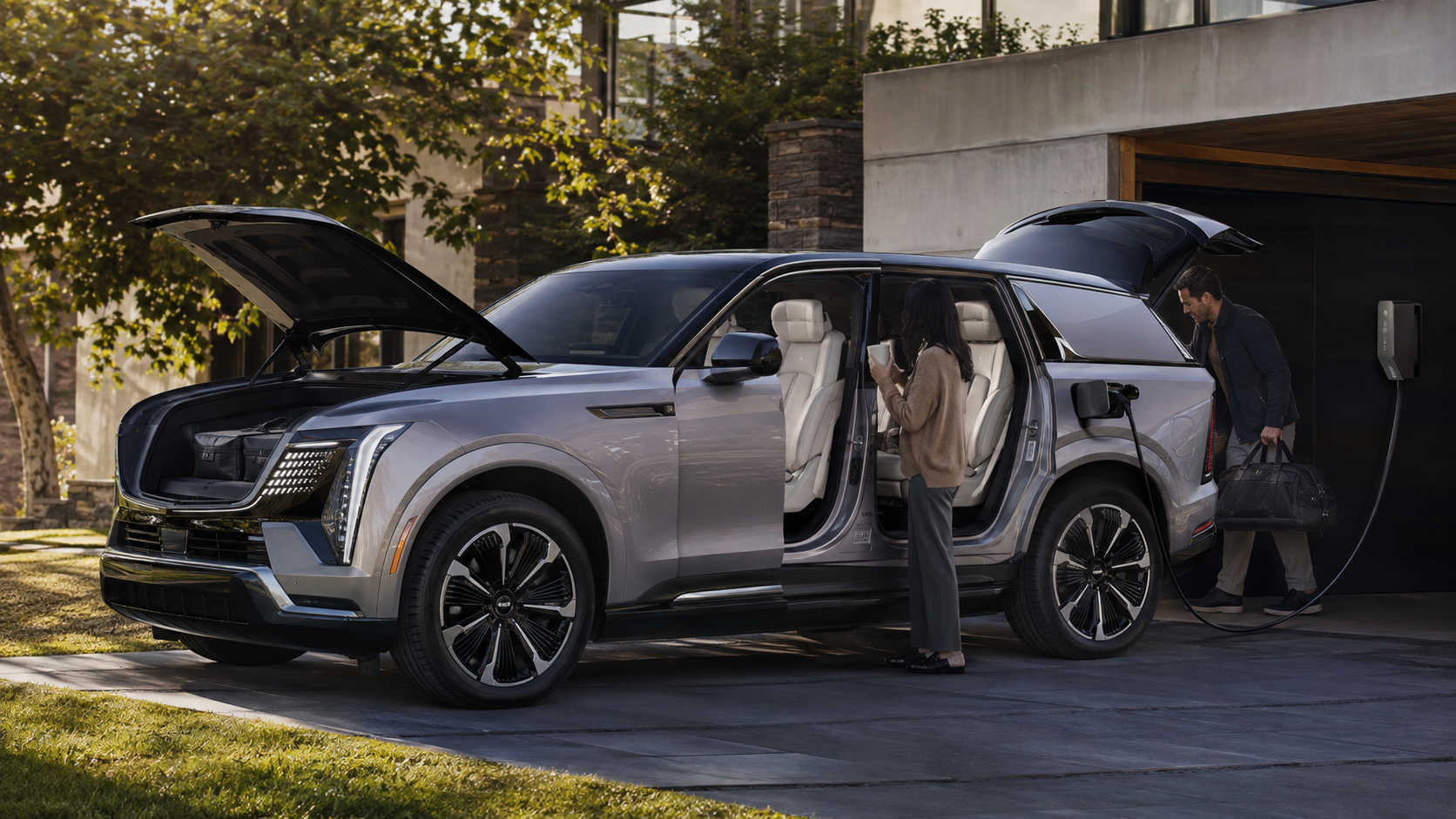
Does Cadillac have a hybrid vehicle available today is one of the most common questions from shoppers researching electric SUVs, plug in hybrids, and the transition away from traditional gasoline drivetrains. Cadillac’s lineup direction has shifted heavily toward fully electric vehicles, which creates confusion for buyers trying to understand the difference between hybrid technology, plug in hybrid setups, and battery electric SUVs. Some drivers are still comparing gasoline ownership routines against charging routines for the first time, while others are evaluating whether a fully electric Cadillac fits their commuting habits, travel expectations, and comfort preferences. Cadillac’s Shift Toward Fully Electric Vehicles Does Cadillac currently make a hybrid vehicle? Cadillac previously explored hybrid technology years ago, but the brand’s current direction centers on battery electric vehicles instead of introducing new hybrid or plug in hybrid models into the lineup. The clearest example is the Cadillac LYRIQ, which uses a fully electric drivetrain powered entirely by battery energy instead of combining gasoline and electric propulsion. This means there is no gasoline engine operating alongside the electric motors. The SUV relies completely on stored electrical energy delivered through its battery pack. That distinction matters because many shoppers searching for a hybrid Cadillac are really trying to understand where the brand fits within the broader electrification shift happening across the automotive industry. Some manufacturers continue offering traditional hybrid SUVs that combine gasoline engines with smaller electric motors. Cadillac instead focused its strategy around larger battery electric architecture and dedicated EV platforms. This transition changes multiple aspects of ownership: more • Refueling routines become charging routines • Electric motors replace traditional engine operation • Cabin noise changes substantially during acceleration • Instant torque delivery changes throttle response • Regenerative braking changes deceleration feel Cadillac’s electrification strategy also reshapes how the SUV is packaged internally. Large battery placement underneath the floor lowers the center of gravity and changes weight distribution across the chassis. That layout influences ride feel, steering stability, and cabin packaging in ways traditional gasoline SUVs do not. Understanding Hybrid, Plug In Hybrid, and EV Drivetrains What is the difference between hybrid, plug in hybrid, and EV? The difference comes from how the vehicle stores energy and how propulsion reaches the wheels. A traditional hybrid combines a gasoline engine with a smaller electric motor and battery pack. The battery recharges mainly through regenerative braking and engine operation. Drivers still fuel the SUV with gasoline, but the electric motor assists during acceleration and lower speed operation. A plug in hybrid expands that concept by introducing larger battery storage capable of external charging. The vehicle can drive on electric power alone for shorter distances before the gasoline engine activates once battery charge drops lower. A battery electric vehicle removes the gasoline engine entirely. The Cadillac LYRIQ falls into this category because propulsion comes exclusively from electric motors powered by a larger battery pack. These drivetrain layouts change how the SUV behaves mechanically. Gasoline engines generate power through combustion cycles, transmission gear changes, and rotational engine speed. Electric motors operate differently because torque delivery occurs immediately once throttle input is applied. That creates a very different acceleration feel. Electric propulsion feels smoother and more immediate because the motor does not need to build engine speed before delivering force to the wheels. Buyers comparing drivetrain types should evaluate: • Daily commuting distance • Access to home charging • Highway travel frequency • Comfort adapting to charging routines • Preference for gasoline backup versus full electrification These considerations shape whether hybrid ownership or full EV ownership feels more natural during everyday driving. Charging Changes the Ownership Routine How does charging differ from fueling? Charging replaces short fueling stops with longer energy replenishment periods occurring either at home or through public charging infrastructure. Most EV owners perform the majority of charging at home using Level 2 charging equipment installed in a garage or driveway area. This setup supplies electricity directly into the battery pack over several hours while the SUV remains parked overnight. DC fast charging works differently because it supplies substantially higher electrical output through commercial charging stations. These chargers restore battery energy much faster during travel situations, making longer distance driving more manageable. The charging structure changes ownership planning because drivers begin thinking differently about energy replenishment. Gasoline ownership revolves around waiting until fuel levels drop low before stopping at a station. EV ownership usually centers around maintaining steady battery charge through more routine charging habits. Cadillac EV shoppers should understand that charging speed varies based on: • Charger output level • Battery temperature • Remaining battery percentage • Electrical infrastructure availability • Charging station compatibility Battery charging also slows intentionally near higher charge percentages to protect long term battery integrity. That charging curve surprises some first time EV buyers who expect charging speed to remain constant throughout the session. Travel planning changes too. Longer highway trips may involve scheduled charging stops based on battery range and charger availability along the route. Regenerative Braking Changes Driving Feel What is regenerative braking doing? Regenerative braking captures kinetic energy during deceleration and redirects that energy back into the battery pack instead of wasting it entirely through friction braking. When the driver lifts off the accelerator pedal in an electric Cadillac SUV, the electric motor begins resisting wheel rotation. That resistance slows the vehicle while simultaneously generating electricity through the motor itself acting like a generator. This process changes how deceleration feels from the driver’s seat. Some EVs create stronger slowing sensation immediately after throttle lift because regenerative braking begins engaging before the physical brake pedal is even pressed. Cadillac calibrates regenerative braking carefully to maintain smoother transitions between regenerative slowing and traditional friction braking. Even so, drivers switching from gasoline SUVs may notice different deceleration characteristics during their first EV drive. Regenerative braking serves multiple functions: • Recovers energy otherwise lost during braking • Extends driving range efficiency • Reduces friction brake wear • Changes low speed driving feel • Supports smoother energy management This energy recovery process becomes a major part of EV ownership because it directly contributes to overall driving efficiency and battery usage patterns. What Buyers Should Evaluate Before Switching to EV Ownership What should buyers evaluate before switching to an electric SUV? Buyers should evaluate daily driving patterns, charging access, commuting distance, and comfort adapting to different ownership routines. Drivers with predictable commuting schedules and home charging access usually adapt to EV ownership far more comfortably than drivers relying heavily on public infrastructure alone. Commute distance matters too because battery electric ownership feels very different for someone driving short daily routes versus extremely high mileage highway schedules. Cadillac shoppers researching electrified SUVs should also spend time understanding how driving habits influence range expectations. Highway speeds, climate control usage, elevation changes, and outside temperatures all shape battery consumption differently than gasoline ownership. The Cadillac LYRIQ also introduces a quieter cabin character because electric propulsion removes traditional engine vibration and engine noise. Some buyers immediately enjoy that calm driving atmosphere, while others need time adjusting to the quieter operating feel. For drivers visiting Ross Downing Cadillac, comparing electrified Cadillac models in person creates a stronger understanding of how EV ownership changes acceleration feel, charging routines, braking response, and cabin refinement. Understanding these differences early creates a more informed transition into electric SUV ownership.

Cadillac 3 Row SUV: Escalade vs XT6 Guide

Cadillac 3 row SUV shoppers comparing the Escalade and XT6 are usually trying to balance passenger comfort, cargo flexibility, commuting size, and family travel needs before choosing the right layout. Both SUVs offer three rows, advanced cabin technology, and family focused interiors, but they approach space, ride feel, and passenger movement very differently. Families researching these Cadillac models are not only comparing dimensions. They are evaluating how each SUV fits school pickup routines, highway travel, garage space, luggage planning, and passenger comfort across all seating rows. Third Row Seating and Passenger Space Which Cadillac SUV has more usable third row space? Third row usability refers to how comfortably passengers can sit, enter, exit, and remain seated during longer drives without excessive leg restriction or limited headroom. The Escalade approaches passenger space with a larger cabin footprint and a longer wheelbase. That added length creates more separation between seating rows, which changes how passengers move throughout the interior. Adults sitting in the third row usually notice more knee space and easier seating posture during highway trips or longer family drives. The XT6 takes a different approach. Its cabin is more compact overall, which creates easier maneuverability outside the vehicle while tightening rear passenger spacing slightly. Families with younger children or shorter trips may find the third row layout fully manageable, but buyers transporting older teenagers or adults regularly should spend time evaluating rear seating comfort directly. more Seat entry also changes between the two Cadillac SUVs. The Escalade provides wider access pathways because of its overall body dimensions, while the XT6 keeps entry height and cabin movement slightly more compact. Passenger loading routines matter here because family buyers may be installing child seats, helping younger passengers climb inside, or moving between rows frequently. Families comparing these SUVs should evaluate: • Third row leg positioning for adults • Ease of entering the rear seating area • Headroom during longer drives • Child seat fitment across rows • Passenger spacing with all seats occupied These details shape how comfortable the cabin feels once the SUV is carrying a full family instead of only front seat occupants. Cargo Flexibility Changes With Passenger Count How does cargo space change with all seats occupied? Cargo flexibility refers to how much usable storage remains once passengers fill multiple seating rows. The Escalade’s larger body dimensions create substantially more storage volume behind the third row. Families carrying strollers, sports bags, coolers, luggage, or grocery loads usually notice the difference immediately. Even when every seating position is occupied, the rear cargo section maintains stronger vertical and horizontal storage space. The XT6 uses a more compact footprint, so cargo planning becomes more important when all passengers are onboard. Folding seat configurations still allow storage adaptability, but available rear space tightens more quickly once the third row remains upright. This comparison matters because family cargo needs change constantly. School bags, travel gear, pet carriers, folding chairs, and weekend luggage all compete for space. Buyers should think about how their household packs during real travel situations instead of evaluating cargo dimensions abstractly. Interior packaging also shapes storage usability. The Escalade’s larger rear opening and deeper cargo floor create easier loading for larger items. The XT6, however, may feel easier to access in tighter parking environments because of its smaller overall proportions. Shoppers should pay close attention to: • Storage space behind the third row • Ease of folding rear seating sections • Cargo floor height during loading • Rear opening accessibility • Cabin storage placement for smaller items A three row SUV can feel very different once luggage and passengers occupy the cabin simultaneously. Ride Quality and Suspension Feel Why does the Escalade feel different from the XT6 while driving? Ride quality differences come from suspension tuning, wheelbase length, body size, and how each SUV manages body movement across different road surfaces. The Escalade focuses heavily on isolation and smoother highway travel. Its larger dimensions and longer wheelbase allow the SUV to absorb road imperfections with slower body movement and softer vertical reactions. During highway driving, passengers may notice calmer cabin motion over expansion joints, rough pavement, and uneven surfaces. Cadillac magnetic ride control also changes how suspension damping reacts while driving. The system reads road movement continuously and adjusts damping response in real time to manage body motion more precisely. In the Escalade, this creates a more settled feeling during longer travel situations. The XT6 feels more compact from the driver’s seat. Steering response feels quicker because the body dimensions are smaller and the SUV changes direction with less overall mass shifting during turns. Families commuting through tighter traffic patterns or parking environments may prefer that smaller footprint. Ride feel differences also appear during braking, lane changes, and parking lot maneuvering. The Escalade prioritizes cabin isolation and larger body stability. The XT6 prioritizes easier urban movement and a more compact driving character. Drivers comparing these Cadillac SUVs should evaluate: • Highway body movement over rough pavement • Steering feel during lane changes • Cabin quietness during travel • Suspension firmness across city streets • Passenger comfort during longer drives These factors shape how the SUV feels during everyday commuting and family road trips. Parking and Maneuverability Change Daily Routines Which Cadillac SUV is easier to maneuver daily? Maneuverability refers to how easily the SUV fits into parking spaces, handles tighter turns, and navigates garages, drive thru lanes, and crowded traffic areas. The XT6 carries an advantage in tighter urban situations because of its smaller overall size. Parking lots, narrow lanes, and garage spaces usually feel less intimidating in a midsize three row layout. Drivers transitioning from smaller crossovers may also adapt faster to the XT6’s dimensions. The Escalade introduces a different ownership dynamic because its larger proportions require more awareness during parking and low speed movement. Turning space, garage clearance, and parking alignment become larger considerations. Camera visibility technology and parking sensors help manage those dimensions, but the SUV still occupies more physical space. Families should think carefully about where the SUV spends most of its time. Daily commuting through tighter city environments creates different priorities than frequent highway travel or larger family hauling needs. Parking related evaluation should include: • Garage fitment space • Turning feel in tighter lots • Visibility while reversing • Ease of judging front corners • Comfort during busy parking situations These routines shape ownership satisfaction far more than spec sheet comparisons alone. What Families Should Evaluate Before Choosing What should families evaluate during a test drive? A family focused test drive should evaluate passenger comfort, storage flexibility, commuting fit, and how naturally the SUV supports daily routines. The Escalade and XT6 both serve three row SUV buyers, but the better fit depends heavily on passenger count, cargo expectations, commuting patterns, and space requirements. Families carrying adults regularly in the third row may lean toward the Escalade’s larger cabin. Buyers prioritizing easier maneuverability may prefer the XT6’s smaller footprint. Cadillac shoppers should spend time interacting with the second and third rows directly. Open the rear cargo area, fold seating sections, test child seat placement, and evaluate how easily passengers move throughout the cabin. For families visiting Ross Downing Cadillac, comparing these Cadillac SUVs in person creates a clearer understanding of how each layout supports different household routines. Seating comfort, storage flexibility, suspension feel, and parking confidence all become easier to evaluate once passengers and cargo are physically inside the cabin.

Best Used Cadillac Escalade Model Years - Platform Changes Explained

For more than a century, Cadillac has moved forward by defining what comes next rather than repeating what came before. That progression is especially visible in the Escalade, where each generation reflects a shift in how design, technology, and performance come together. When considering a used Cadillac Escalade, the question is rarely just which year is best. It becomes a question of how each generation was built, what changed beneath the surface, and how those changes shape ownership over time. Understanding Escalade model years through platform evolution provides clarity that simple lists cannot. How Escalade Generations Are Defined By Platform Changes Many drivers ask what the best year for a Cadillac Escalade is, but that question begins with how generations are defined. A generation represents a complete redesign of the vehicle’s platform, meaning changes to structure, suspension, technology integration, and system architecture. In earlier Escalade generations, the focus was on durability and mechanical strength. These models relied on proven V8 systems and simpler electronic integration, which created a consistent and familiar ownership experience. As the Escalade evolved, each generation introduced new systems that changed how the vehicle behaved and how drivers interacted with it. more Platform updates influence ride quality, handling, and structural refinement Electrical architecture evolves to support more advanced features Interior systems become more integrated with digital controls This matters because comparing model years without understanding the generation can lead to incorrect assumptions. A newer year within the same generation may feel similar, while a redesign introduces a fundamentally different experience. What Changed In The 2021 Escalade Redesign And Why It Matters A common question centers on what changed in the 2021 Cadillac Escalade and why it is often highlighted as a turning point. The 2021 redesign introduced a new platform that redefined how the Escalade integrates technology, comfort, and driving dynamics. The most visible change is the curved OLED display, but the deeper transformation comes from how the vehicle’s systems communicate and operate together. The updated electrical architecture allows for faster processing, improved responsiveness, and more seamless interaction between driver inputs and vehicle systems. Suspension design also evolved, introducing more refined ride control that adapts to road conditions with greater precision. Digital display systems became fully integrated into the driving interface Suspension systems improved ride isolation and control Interior layout shifted toward a more driver centered experience This redesign matters because it represents a shift from traditional luxury SUV design to a more connected and responsive platform. For drivers, the 2021 Escalade feels different not just visually, but in how it responds, adapts, and communicates during everyday use. How Reliability Varies Across Escalade Model Years Drivers often want to know which Escalade model years are the most reliable, but reliability is not tied to a single year. It is influenced by how systems are designed, how complex they are, and how they are maintained over time. In earlier generations, simpler systems often resulted in fewer variables that could affect performance. Mechanical components were easier to service, and fewer electronic systems meant fewer points of failure. In newer generations, including the 2021 Escalade, advanced systems introduce greater capability but also increased complexity. Reliability becomes more dependent on software stability and system integration. Simpler systems reduce potential failure points More advanced systems increase capability but require precise calibration Maintenance history plays a critical role regardless of model year This means reliability should be evaluated in context. Older models may feel more predictable, while newer models offer more advanced functionality that depends on proper system management. How Technology And Interior Systems Evolved Over Time One of the most noticeable differences between Escalade model years is how technology and interior systems have evolved. Drivers often question whether older models will feel outdated, especially when compared to newer designs. In earlier Escalade models, infotainment systems were more limited, with smaller displays and less integration between features. Controls were more physical, and system interaction was more straightforward. In newer models, including the 2021 Escalade, digital integration becomes central to the experience. Larger displays, connected services, and enhanced user interfaces change how drivers interact with the vehicle. Infotainment systems transitioned from basic interfaces to fully integrated digital environments Interior controls shifted toward touch and display based interaction Connectivity features expanded to support modern driving needs For drivers, this evolution affects not just convenience, but how natural the vehicle feels to use in daily life. How To Choose The Right Escalade Model Year Based On Ownership Goals Choosing the right Cadillac Escalade model year depends on how you prioritize technology, reliability, and long term ownership. If your focus is on simplicity and proven systems, earlier generations provide a more traditional ownership experience with fewer variables. These models often align with drivers who value consistency and ease of maintenance. If your focus is on modern technology, connectivity, and a more refined driving experience, newer generations such as the 2021 Escalade offer a more advanced platform that reflects Cadillac’s forward direction. Consider whether you prioritize simplicity or advanced technology Evaluate how long you plan to keep the vehicle Think about how important modern features are in your daily routine The best Escalade model year is not defined by a single answer. It is defined by how well a specific generation aligns with how you drive, what you expect, and how you plan to own the vehicle over time.

What Cadillac Warranty Covers And What It Doesn’t

Every Cadillac is built with precision, where engineering, comfort, and control are designed to work together seamlessly. That same level of intention extends into warranty coverage, but understanding what that coverage actually means requires more than reviewing a list of terms. Many drivers assume warranty protection is broad and automatic, yet the reality is more structured. Cadillac warranty coverage is built around how vehicle systems function, how components are expected to wear, and how responsibility is divided between manufacturer and owner. When those distinctions are clear, ownership becomes more predictable and easier to navigate over time. How Cadillac Warranty Coverage Is Structured Across Vehicle Systems Many drivers begin by asking what Cadillac warranty coverage actually includes. Cadillac warranty coverage is structured around defects in materials or workmanship, meaning it protects systems that fail due to how they were built rather than how they are used. In a vehicle like the Cadillac Escalade, this structure applies across multiple systems, including electrical components, infotainment systems, drivetrain elements, and interior features. Each of these systems is expected to perform within a defined range under normal conditions. Warranty coverage works by identifying whether a failure is caused by a defect or by external factors such as usage, environment, or time. This distinction is critical because it determines whether a repair is covered. more Covered systems include components that fail unexpectedly due to manufacturing issues Evaluation focuses on how the component failed, not just that it failed Coverage is limited by time and mileage thresholds This structure ensures that the vehicle performs as intended during the early stages of ownership. For drivers, it means the warranty is designed to support reliability, not replace routine maintenance or long term wear. What Bumper To Bumper Warranty Actually Covers In Real Terms Drivers often hear the term bumper to bumper warranty and assume it covers everything on the vehicle. A bumper to bumper warranty covers most vehicle systems between the front and rear of the vehicle, but only when failures are caused by defects in materials or workmanship. In models like the Cadillac XT5, this includes systems such as electronics, interior controls, display systems, and many mechanical components. However, coverage is still tied to how those components fail. The phrase bumper to bumper describes the scope of systems included, not the type of issues covered. Electronic systems are covered when they fail unexpectedly Interior components are covered when defects affect function Mechanical systems are covered when performance issues are linked to manufacturing This means that even within bumper to bumper coverage, the cause of the issue must meet specific criteria. For drivers, this clarifies that coverage is comprehensive in scope, but conditional in application. What Cadillac Warranty Does Not Cover And Why Those Exclusions Exist A common question is whether items like tires are covered under Cadillac warranty. Tires are not covered under standard warranty because they are considered wear items, meaning they are designed to change as part of normal driving. Wear items include components that experience friction, pressure, or environmental exposure during use. These components are expected to degrade over time, even when functioning properly. In a vehicle like the Cadillac Escalade, this includes brake pads, tires, filters, and fluids. These items are not excluded arbitrarily. They are excluded because their wear is predictable and necessary for the vehicle to operate. Tires wear as they maintain traction with the road Brake pads wear as they create friction to stop the vehicle Fluids degrade as they absorb heat and contaminants Warranty coverage does not apply to these components because their change is part of normal operation, not a defect. For drivers, understanding this distinction removes confusion and sets realistic expectations for ownership costs. How Extended Warranty Changes Coverage And Risk Many drivers consider extended warranty options and question what additional coverage actually provides. An extended warranty expands coverage beyond the original time and mileage limits, offering continued protection for certain systems after factory coverage ends. In a vehicle like the Cadillac Escalade, extended coverage becomes relevant as the vehicle moves into later stages of ownership. At this point, the likelihood of system wear and component fatigue increases. Extended warranty shifts the balance of risk by covering certain repairs that would otherwise be the owner’s responsibility. Coverage extends protection for key systems beyond factory limits Additional protection reduces exposure to unexpected repair costs Coverage terms vary based on plan selection and vehicle usage This does not eliminate all maintenance costs, but it changes how those costs are distributed over time. For drivers, extended coverage provides a way to maintain consistency in ownership experience as the vehicle ages. How To Evaluate Warranty Coverage Based On Ownership Plans Choosing whether warranty coverage is sufficient or whether extended protection is needed depends on how the vehicle will be used over time. Drivers who plan to keep their Cadillac for a shorter period may find that factory coverage aligns closely with their ownership timeline. Those who plan to keep the vehicle longer or drive higher mileage may face increased exposure to repair costs once coverage ends. Consider how long you plan to own the vehicle Evaluate how many miles you typically drive each year Think about your preference for predictable costs versus variable repair expenses Warranty coverage is not just about protection. It is about aligning the structure of that protection with your ownership patterns. For drivers, this decision becomes clearer when viewed through the lens of how the vehicle will actually be used rather than relying on general assumptions about coverage.

Escalade IQ Vs Gas Escalade Electric Vs V8 Ownership Differences

For more than a century, Cadillac has shaped the idea of what an SUV can be by pairing presence with purpose. Today, that vision extends in two distinct directions. The Cadillac Escalade continues with a V8 engine rooted in combustion, while the Escalade IQ introduces a fully electric platform built around battery powered motion. Many drivers are not simply comparing specifications. They are trying to understand how these two systems change the experience of ownership, from how power is delivered to how daily routines are shaped. The difference between electric and V8 Escalade models is not just mechanical. It defines how the vehicle fits into your life over time. How Escalade IQ, Escalade, And Escalade ESV Actually Differ Many drivers ask whether the Escalade IQ is the same as the Escalade ESV, especially since both names sit within the same lineup. The Escalade IQ is a fully electric SUV built on a battery powered platform, while the Escalade and Escalade ESV are gas powered SUVs that differ primarily in size rather than how they are powered. In the Escalade IQ, the vehicle is engineered around an electric architecture. Energy is stored in a large battery and delivered through electric motors, which changes how power is produced, how the vehicle accelerates, and how it is maintained over time. In the standard Cadillac Escalade, a V8 engine generates power through combustion. This system delivers a familiar driving experience with consistent fueling behavior and established maintenance patterns. The Escalade ESV builds on that same V8 system but extends the overall length of the vehicle. This added length increases rear passenger space and cargo capacity without changing how the vehicle is powered. more Escalade IQ uses an electric powertrain with battery driven motors and charging based ownership Escalade uses a V8 engine with fuel based operation and traditional driving feel Escalade ESV uses the same V8 system but extends the body to increase interior space This distinction matters because each model solves a different type of ownership need. The Escalade IQ changes how the vehicle operates at a system level, while the Escalade and Escalade ESV focus on space, capacity, and familiarity. For a driver, understanding this difference helps avoid comparing models that are not direct equivalents. The Escalade IQ is a shift in how the vehicle is powered, while the Escalade ESV is a shift in how much space the vehicle provides. How Electric And V8 Powertrains Actually Work In Escalade Models Many drivers begin by asking what the difference is between the Escalade IQ and the gas powered Escalade. An electric powertrain uses stored electrical energy in a battery to power motors that drive the wheels, while a V8 powertrain uses combustion to generate energy through fuel ignition. In the Escalade IQ, the battery stores energy that is delivered instantly to electric motors. This creates immediate torque, meaning acceleration happens smoothly and without delay. The system operates with fewer moving parts, relying on electronic control rather than mechanical combustion. In the gas powered Escalade, the V8 engine burns fuel to create controlled explosions inside the engine. This process generates power that is transferred through the drivetrain to move the vehicle forward. The system builds power progressively as engine speed increases. Electric systems deliver immediate torque through motor driven output V8 systems generate power through combustion cycles and mechanical rotation Energy delivery in EVs is direct, while gas engines rely on staged power buildup This difference matters because it shapes how the vehicle responds to input. The Escalade IQ feels smooth and immediate, while the V8 Escalade offers a familiar, progressive power delivery that many drivers recognize. Feature Escalade IQ (Electric) Escalade V8 (Gas) Energy Source Battery powered electric motors Gasoline combustion engine Power Delivery Instant torque, smooth acceleration Progressive power through engine RPM Mechanical Complexity Fewer moving parts More mechanical components Driving Feel Quiet, immediate response Familiar, responsive engine feel Escalade IQ Range Vs Escalade V8 Fuel Range In Real Driving Another common question is how far the Escalade IQ can travel on a charge compared to how far a gas Escalade can go on a full tank. Range in an electric vehicle refers to how far the battery can power the vehicle before needing to recharge, while fuel range depends on tank size and fuel consumption. In the Escalade IQ, range is influenced by battery capacity, driving conditions, and how efficiently energy is used. Factors such as speed, terrain, and climate can affect how far the vehicle travels on a single charge. In the gas powered Escalade, range is determined by fuel tank capacity and miles per gallon. While driving conditions still play a role, refueling restores full range quickly. EV range varies based on driving behavior and environmental conditions Gas range remains more consistent but depends on fuel consumption rate Charging restores energy over time, while refueling is nearly immediate This difference becomes more noticeable depending on how and where you drive. Daily commuting may align easily with electric range, while long distance travel may require more planning. Charging Vs Fueling How Ownership Behavior Changes Drivers often question whether charging is more difficult than fueling and how it affects daily routines. Charging an electric vehicle involves connecting the vehicle to a power source, while fueling involves refilling the tank at a gas station. In the Escalade IQ, charging can happen at home or at public charging stations. Home charging allows the vehicle to recharge overnight, which changes the ownership experience by reducing the need for frequent stops. In the gas powered Escalade, fueling requires visiting a gas station. The process is quick and familiar, but it must be repeated regularly based on fuel consumption. Charging can be integrated into daily routines through home charging Public charging requires planning depending on location and availability Fueling is fast and widely accessible but requires repeated stops This shift in behavior is one of the most significant differences between electric and gas ownership. For some drivers, charging adds convenience. For others, fueling remains more practical depending on access and routine. Ownership Factor Escalade IQ Escalade V8 Refueling Method Charging at home or public stations Gas stations Time to Refill Longer, varies by charger type Fast and consistent Daily Routine Impact Can charge overnight with minimal disruption Requires regular fuel stops Long Distance Travel Requires route and charging planning More flexible and immediate Maintenance And Long Term Ownership Differences Many drivers want to understand whether an electric Escalade is less expensive to maintain than a gas powered model. Maintenance differences come from how each system operates and what components are involved. In the Escalade IQ, fewer moving parts reduce the number of components that experience wear. There is no engine oil, fewer fluids, and less mechanical friction. The system relies more on electronic control and battery management than traditional engine upkeep. In the gas powered Escalade, the V8 engine includes more components that require regular service. Oil changes, filters, and engine maintenance are necessary to keep the system operating within its intended performance range. Electric systems reduce maintenance by eliminating combustion related components Gas systems require routine service to maintain engine performance Wear patterns differ based on mechanical complexity and usage Over time, this difference can influence total ownership cost. While electric vehicles may reduce routine service needs, they introduce different considerations such as battery health and charging infrastructure. How To Choose Based On Your Driving Patterns And Environment Choosing between the Escalade IQ and the gas powered Escalade depends on how you drive, where you drive, and what you expect from your vehicle over time. If your routine includes predictable daily driving, access to home charging, and a focus on efficiency, the Escalade IQ aligns with those needs through its electric design. If your driving involves long distance travel, frequent trips, or reliance on quick refueling, the V8 Escalade provides a more familiar and flexible experience. Consider whether your daily driving fits within electric range limits Evaluate access to charging at home or in your area Think about how often you rely on long distance travel The decision is not about which system is better in general. It is about which system supports your lifestyle with the least friction and the most confidence.

Cadillac Suspension & Ride Quality Guide: Why Luxury Vehicles Need Specialized Care

Cadillac vehicles are known for a distinct ride quality that feels smoother, quieter, and more controlled than many standard vehicles. Many drivers researching Cadillac suspension systems ask why that difference exists and what is required to maintain it over time. Ride quality is not created by a single component. It is the result of how the Cadillac suspension system manages road input, controls vehicle motion, and maintains tire contact with the road surface. Understanding how Cadillac suspension components function and how they wear allows owners to identify changes in ride quality early and maintain the level of comfort expected from a luxury vehicle. How Cadillac Suspension Systems Create a Smooth Ride Many drivers ask why Cadillac vehicles ride so smoothly compared to other SUVs and sedans. A suspension system is a network of components that connects the vehicle to the wheels while controlling how forces from the road are absorbed and distributed. The Cadillac suspension system is engineered to isolate the cabin from road imperfections while maintaining stability. This is achieved through a combination of suspension geometry, damping control, and component tuning that prioritizes smooth motion without sacrificing control. more The Cadillac damping system plays a central role in this process. Damping refers to the control of spring movement after the suspension absorbs an impact. When a wheel encounters a bump, the suspension compresses and rebounds. The damping system regulates this motion so that it does not continue to oscillate. In Cadillac vehicles, this tuning is calibrated to reduce sharp impacts while maintaining a stable chassis. The result is a ride that feels controlled rather than floating, even on uneven surfaces. For drivers, this means the Cadillac suspension system is constantly balancing two goals: • minimizing vibration and harshness inside the cabin • maintaining consistent tire contact for stability and control This balance is what creates the characteristic Cadillac ride quality. How Cadillac Shocks and Struts Control Motion and Comfort Many drivers ask what shocks and struts actually do and how they affect ride comfort. A shock absorber is a hydraulic device that controls suspension movement by converting motion into heat energy, while a strut is a structural component that combines a shock absorber with additional load-bearing functions. The Cadillac shocks and struts system manages how quickly the suspension compresses and rebounds after encountering road irregularities. Without proper damping, the vehicle would continue to bounce after hitting a bump. As these components wear, their ability to control motion decreases. This leads to noticeable changes in how the vehicle responds to the road: • increased bouncing after hitting bumps • reduced control during braking due to excessive weight transfer • less stable handling during turns In a Cadillac vehicle, where ride refinement is a core design goal, even small changes in shock and strut performance can significantly affect comfort. How Suspension Wear Develops and What It Feels Like Many drivers ask how to tell if their suspension is worn out. Suspension wear occurs gradually as components are exposed to repeated stress from road conditions, vehicle weight, and driving behavior. The Cadillac suspension system includes multiple wear components such as bushings, control arms, shocks, and struts. Each of these parts absorbs different types of forces, and over time they lose their ability to perform at the same level. Early signs of suspension wear may be subtle. Drivers may notice slight increases in road noise or a less controlled feel over uneven surfaces. As wear progresses, these changes become more pronounced. Common symptoms associated with Cadillac suspension wear include: • increased vibration felt through the steering wheel or cabin • noise when driving over bumps or uneven pavement • reduced ride smoothness compared to previous driving experience • less precise handling during turns These symptoms indicate that the suspension is no longer managing road forces as effectively as it was designed to. How Cadillac Suspension Design Balances Comfort and Handling Many drivers assume that a comfortable ride comes at the expense of handling, but suspension design must balance both. Cadillac suspension tuning is designed to manage this relationship by controlling how the vehicle responds to both vertical and lateral forces. Vertical forces come from road impacts such as bumps and dips, while lateral forces occur during cornering. The Cadillac suspension system is calibrated to absorb vertical forces without allowing excessive body movement during lateral load changes. This is achieved through careful tuning of spring rates, damping characteristics, and suspension geometry. The goal is to allow the vehicle to remain composed during turns while still isolating passengers from road imperfections. For drivers, this balance means: • smoother ride quality without excessive body movement • more predictable handling during cornering • consistent stability at highway speeds This is why Cadillac vehicles are able to maintain both comfort and control in everyday driving conditions. Why Cadillac Suspension Systems Require Specialized Care Many drivers ask why luxury vehicles require more attention to suspension maintenance. Luxury suspension systems operate within tighter performance tolerances because they are designed to deliver a higher level of comfort and refinement. The Cadillac suspension system is tuned to respond precisely to road conditions. As components wear, even small deviations can affect how the system performs. This makes regular inspection and maintenance more important than in vehicles with less sensitive tuning. Additionally, Cadillac suspension components are designed to work together as a system. Replacing one component without addressing related wear can result in uneven performance and reduced ride quality. For owners maintaining Cadillac ride quality, key considerations include: • monitoring changes in ride comfort and handling • addressing suspension wear early before it affects other components • ensuring components are serviced or replaced in a way that maintains system balance Maintaining the Cadillac suspension system properly allows the vehicle to continue delivering the smooth and controlled ride it was designed for. Final Perspective on Cadillac Ride Quality and Maintenance Cadillac ride quality is the result of precise engineering and careful tuning of suspension components. That experience is maintained only when those components continue to function as intended. Understanding how the Cadillac suspension system works, how shocks and struts control motion, and how wear affects performance allows drivers to recognize changes early and make informed maintenance decisions. For Cadillac owners, preserving ride quality is not just about comfort. It is about maintaining the engineering balance that defines the driving experience.

Contact Us

Fill out this form below and we'll contact you shortly
*Required Fields