


Does Cadillac have a hybrid vehicle available today is one of the most common questions from shoppers researching electric SUVs, plug in hybrids, and the transition away from traditional gasoline drivetrains. Cadillac’s lineup direction has shifted heavily toward fully electric vehicles, which creates confusion for buyers trying to understand the difference between hybrid technology, plug in hybrid setups, and battery electric SUVs. Some drivers are still comparing gasoline ownership routines against charging routines for the first time, while others are evaluating whether a fully electric Cadillac fits their commuting habits, travel expectations, and comfort preferences.
Cadillac’s Shift Toward Fully Electric Vehicles
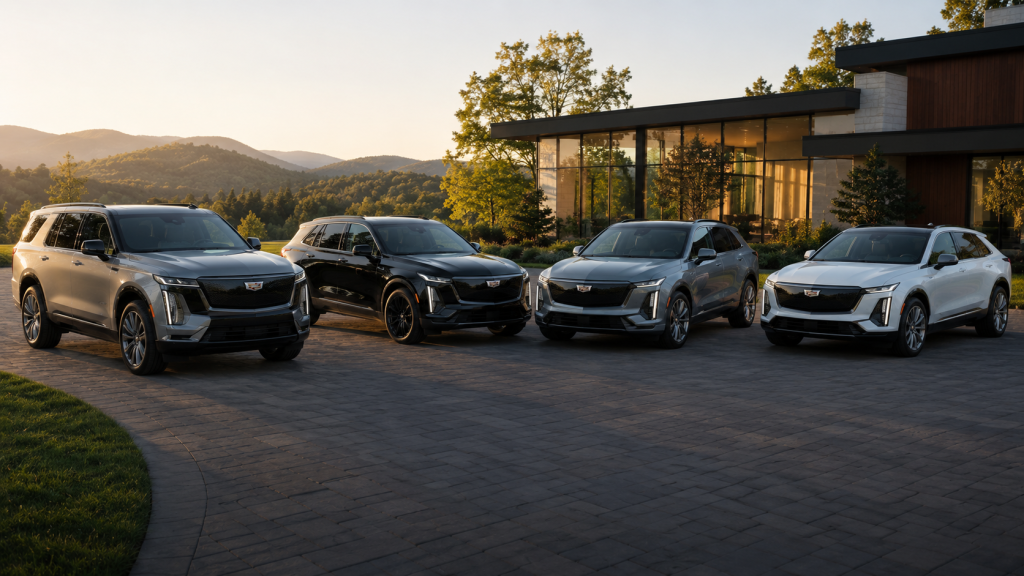
Does Cadillac currently make a hybrid vehicle? Cadillac previously explored hybrid technology years ago, but the brand’s current direction centers on battery electric vehicles instead of introducing new hybrid or plug in hybrid models into the lineup.
The clearest example is the Cadillac LYRIQ, which uses a fully electric drivetrain powered entirely by battery energy instead of combining gasoline and electric propulsion. This means there is no gasoline engine operating alongside the electric motors. The SUV relies completely on stored electrical energy delivered through its battery pack.
That distinction matters because many shoppers searching for a hybrid Cadillac are really trying to understand where the brand fits within the broader electrification shift happening across the automotive industry. Some manufacturers continue offering traditional hybrid SUVs that combine gasoline engines with smaller electric motors. Cadillac instead focused its strategy around larger battery electric architecture and dedicated EV platforms.
This transition changes multiple aspects of ownership:
• Refueling routines become charging routines
• Electric motors replace traditional engine operation
• Cabin noise changes substantially during acceleration
• Instant torque delivery changes throttle response
• Regenerative braking changes deceleration feel
Cadillac’s electrification strategy also reshapes how the SUV is packaged internally. Large battery placement underneath the floor lowers the center of gravity and changes weight distribution across the chassis. That layout influences ride feel, steering stability, and cabin packaging in ways traditional gasoline SUVs do not.
Understanding Hybrid, Plug In Hybrid, and EV Drivetrains
What is the difference between hybrid, plug in hybrid, and EV? The difference comes from how the vehicle stores energy and how propulsion reaches the wheels.
A traditional hybrid combines a gasoline engine with a smaller electric motor and battery pack. The battery recharges mainly through regenerative braking and engine operation. Drivers still fuel the SUV with gasoline, but the electric motor assists during acceleration and lower speed operation.
A plug in hybrid expands that concept by introducing larger battery storage capable of external charging. The vehicle can drive on electric power alone for shorter distances before the gasoline engine activates once battery charge drops lower.
A battery electric vehicle removes the gasoline engine entirely. The Cadillac LYRIQ falls into this category because propulsion comes exclusively from electric motors powered by a larger battery pack.
These drivetrain layouts change how the SUV behaves mechanically. Gasoline engines generate power through combustion cycles, transmission gear changes, and rotational engine speed. Electric motors operate differently because torque delivery occurs immediately once throttle input is applied.
That creates a very different acceleration feel. Electric propulsion feels smoother and more immediate because the motor does not need to build engine speed before delivering force to the wheels.
Buyers comparing drivetrain types should evaluate:
• Daily commuting distance
• Access to home charging
• Highway travel frequency
• Comfort adapting to charging routines
• Preference for gasoline backup versus full electrification
These considerations shape whether hybrid ownership or full EV ownership feels more natural during everyday driving.
Charging Changes the Ownership Routine
How does charging differ from fueling? Charging replaces short fueling stops with longer energy replenishment periods occurring either at home or through public charging infrastructure.
Most EV owners perform the majority of charging at home using Level 2 charging equipment installed in a garage or driveway area. This setup supplies electricity directly into the battery pack over several hours while the SUV remains parked overnight.
DC fast charging works differently because it supplies substantially higher electrical output through commercial charging stations. These chargers restore battery energy much faster during travel situations, making longer distance driving more manageable.
The charging structure changes ownership planning because drivers begin thinking differently about energy replenishment. Gasoline ownership revolves around waiting until fuel levels drop low before stopping at a station. EV ownership usually centers around maintaining steady battery charge through more routine charging habits.
Cadillac EV shoppers should understand that charging speed varies based on:
• Charger output level
• Battery temperature
• Remaining battery percentage
• Electrical infrastructure availability
• Charging station compatibility
Battery charging also slows intentionally near higher charge percentages to protect long term battery integrity. That charging curve surprises some first time EV buyers who expect charging speed to remain constant throughout the session.
Travel planning changes too. Longer highway trips may involve scheduled charging stops based on battery range and charger availability along the route.
Regenerative Braking Changes Driving Feel
What is regenerative braking doing? Regenerative braking captures kinetic energy during deceleration and redirects that energy back into the battery pack instead of wasting it entirely through friction braking.
When the driver lifts off the accelerator pedal in an electric Cadillac SUV, the electric motor begins resisting wheel rotation. That resistance slows the vehicle while simultaneously generating electricity through the motor itself acting like a generator.
This process changes how deceleration feels from the driver’s seat. Some EVs create stronger slowing sensation immediately after throttle lift because regenerative braking begins engaging before the physical brake pedal is even pressed.
Cadillac calibrates regenerative braking carefully to maintain smoother transitions between regenerative slowing and traditional friction braking. Even so, drivers switching from gasoline SUVs may notice different deceleration characteristics during their first EV drive.
Regenerative braking serves multiple functions:
• Recovers energy otherwise lost during braking
• Extends driving range efficiency
• Reduces friction brake wear
• Changes low speed driving feel
• Supports smoother energy management
This energy recovery process becomes a major part of EV ownership because it directly contributes to overall driving efficiency and battery usage patterns.
What Buyers Should Evaluate Before Switching to EV Ownership
What should buyers evaluate before switching to an electric SUV? Buyers should evaluate daily driving patterns, charging access, commuting distance, and comfort adapting to different ownership routines.
Drivers with predictable commuting schedules and home charging access usually adapt to EV ownership far more comfortably than drivers relying heavily on public infrastructure alone. Commute distance matters too because battery electric ownership feels very different for someone driving short daily routes versus extremely high mileage highway schedules.
Cadillac shoppers researching electrified SUVs should also spend time understanding how driving habits influence range expectations. Highway speeds, climate control usage, elevation changes, and outside temperatures all shape battery consumption differently than gasoline ownership.
The Cadillac LYRIQ also introduces a quieter cabin character because electric propulsion removes traditional engine vibration and engine noise. Some buyers immediately enjoy that calm driving atmosphere, while others need time adjusting to the quieter operating feel.
For drivers visiting Ross Downing Cadillac, comparing electrified Cadillac models in person creates a stronger understanding of how EV ownership changes acceleration feel, charging routines, braking response, and cabin refinement. Understanding these differences early creates a more informed transition into electric SUV ownership.
Connect with us