


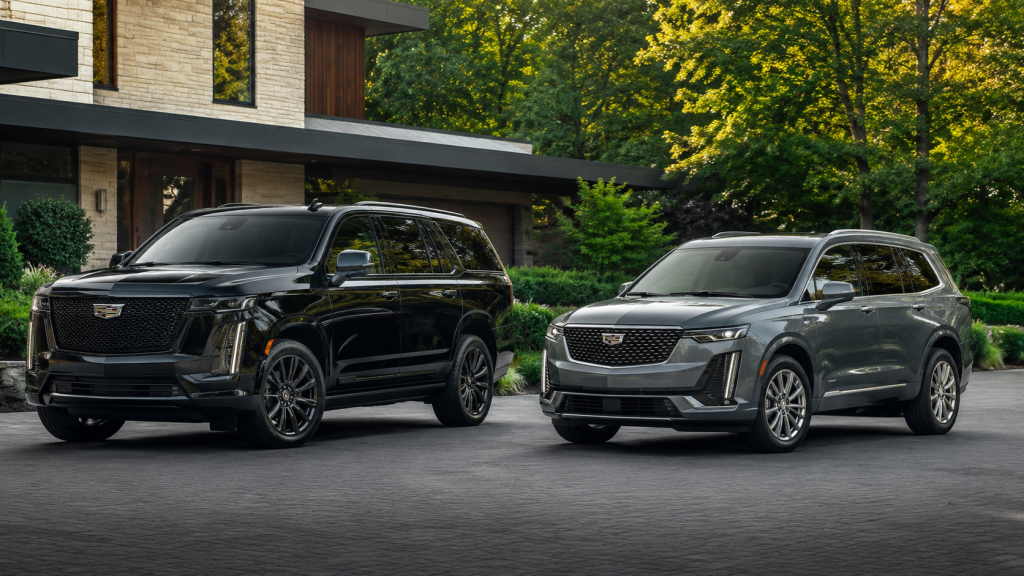
Cadillac 3 row SUV shoppers comparing the Escalade and XT6 are usually trying to balance passenger comfort, cargo flexibility, commuting size, and family travel needs before choosing the right layout. Both SUVs offer three rows, advanced cabin technology, and family focused interiors, but they approach space, ride feel, and passenger movement very differently. Families researching these Cadillac models are not only comparing dimensions. They are evaluating how each SUV fits school pickup routines, highway travel, garage space, luggage planning, and passenger comfort across all seating rows.
Third Row Seating and Passenger Space
Which Cadillac SUV has more usable third row space? Third row usability refers to how comfortably passengers can sit, enter, exit, and remain seated during longer drives without excessive leg restriction or limited headroom.
The Escalade approaches passenger space with a larger cabin footprint and a longer wheelbase. That added length creates more separation between seating rows, which changes how passengers move throughout the interior. Adults sitting in the third row usually notice more knee space and easier seating posture during highway trips or longer family drives.
The XT6 takes a different approach. Its cabin is more compact overall, which creates easier maneuverability outside the vehicle while tightening rear passenger spacing slightly. Families with younger children or shorter trips may find the third row layout fully manageable, but buyers transporting older teenagers or adults regularly should spend time evaluating rear seating comfort directly.
Seat entry also changes between the two Cadillac SUVs. The Escalade provides wider access pathways because of its overall body dimensions, while the XT6 keeps entry height and cabin movement slightly more compact. Passenger loading routines matter here because family buyers may be installing child seats, helping younger passengers climb inside, or moving between rows frequently.
Families comparing these SUVs should evaluate:
• Third row leg positioning for adults
• Ease of entering the rear seating area
• Headroom during longer drives
• Child seat fitment across rows
• Passenger spacing with all seats occupied
These details shape how comfortable the cabin feels once the SUV is carrying a full family instead of only front seat occupants.
Cargo Flexibility Changes With Passenger Count
How does cargo space change with all seats occupied? Cargo flexibility refers to how much usable storage remains once passengers fill multiple seating rows.
The Escalade’s larger body dimensions create substantially more storage volume behind the third row. Families carrying strollers, sports bags, coolers, luggage, or grocery loads usually notice the difference immediately. Even when every seating position is occupied, the rear cargo section maintains stronger vertical and horizontal storage space.
The XT6 uses a more compact footprint, so cargo planning becomes more important when all passengers are onboard. Folding seat configurations still allow storage adaptability, but available rear space tightens more quickly once the third row remains upright.
This comparison matters because family cargo needs change constantly. School bags, travel gear, pet carriers, folding chairs, and weekend luggage all compete for space. Buyers should think about how their household packs during real travel situations instead of evaluating cargo dimensions abstractly.
Interior packaging also shapes storage usability. The Escalade’s larger rear opening and deeper cargo floor create easier loading for larger items. The XT6, however, may feel easier to access in tighter parking environments because of its smaller overall proportions.
Shoppers should pay close attention to:
• Storage space behind the third row
• Ease of folding rear seating sections
• Cargo floor height during loading
• Rear opening accessibility
• Cabin storage placement for smaller items
A three row SUV can feel very different once luggage and passengers occupy the cabin simultaneously.
Ride Quality and Suspension Feel
Why does the Escalade feel different from the XT6 while driving? Ride quality differences come from suspension tuning, wheelbase length, body size, and how each SUV manages body movement across different road surfaces.
The Escalade focuses heavily on isolation and smoother highway travel. Its larger dimensions and longer wheelbase allow the SUV to absorb road imperfections with slower body movement and softer vertical reactions. During highway driving, passengers may notice calmer cabin motion over expansion joints, rough pavement, and uneven surfaces.
Cadillac magnetic ride control also changes how suspension damping reacts while driving. The system reads road movement continuously and adjusts damping response in real time to manage body motion more precisely. In the Escalade, this creates a more settled feeling during longer travel situations.
The XT6 feels more compact from the driver’s seat. Steering response feels quicker because the body dimensions are smaller and the SUV changes direction with less overall mass shifting during turns. Families commuting through tighter traffic patterns or parking environments may prefer that smaller footprint.
Ride feel differences also appear during braking, lane changes, and parking lot maneuvering. The Escalade prioritizes cabin isolation and larger body stability. The XT6 prioritizes easier urban movement and a more compact driving character.
Drivers comparing these Cadillac SUVs should evaluate:
• Highway body movement over rough pavement
• Steering feel during lane changes
• Cabin quietness during travel
• Suspension firmness across city streets
• Passenger comfort during longer drives
These factors shape how the SUV feels during everyday commuting and family road trips.
Parking and Maneuverability Change Daily Routines
Which Cadillac SUV is easier to maneuver daily? Maneuverability refers to how easily the SUV fits into parking spaces, handles tighter turns, and navigates garages, drive thru lanes, and crowded traffic areas.
The XT6 carries an advantage in tighter urban situations because of its smaller overall size. Parking lots, narrow lanes, and garage spaces usually feel less intimidating in a midsize three row layout. Drivers transitioning from smaller crossovers may also adapt faster to the XT6’s dimensions.
The Escalade introduces a different ownership dynamic because its larger proportions require more awareness during parking and low speed movement. Turning space, garage clearance, and parking alignment become larger considerations. Camera visibility technology and parking sensors help manage those dimensions, but the SUV still occupies more physical space.
Families should think carefully about where the SUV spends most of its time. Daily commuting through tighter city environments creates different priorities than frequent highway travel or larger family hauling needs.
Parking related evaluation should include:
• Garage fitment space
• Turning feel in tighter lots
• Visibility while reversing
• Ease of judging front corners
• Comfort during busy parking situations
These routines shape ownership satisfaction far more than spec sheet comparisons alone.
What Families Should Evaluate Before Choosing
What should families evaluate during a test drive? A family focused test drive should evaluate passenger comfort, storage flexibility, commuting fit, and how naturally the SUV supports daily routines.
The Escalade and XT6 both serve three row SUV buyers, but the better fit depends heavily on passenger count, cargo expectations, commuting patterns, and space requirements. Families carrying adults regularly in the third row may lean toward the Escalade’s larger cabin. Buyers prioritizing easier maneuverability may prefer the XT6’s smaller footprint.
Cadillac shoppers should spend time interacting with the second and third rows directly. Open the rear cargo area, fold seating sections, test child seat placement, and evaluate how easily passengers move throughout the cabin.
For families visiting Ross Downing Cadillac, comparing these Cadillac SUVs in person creates a clearer understanding of how each layout supports different household routines. Seating comfort, storage flexibility, suspension feel, and parking confidence all become easier to evaluate once passengers and cargo are physically inside the cabin.
Connect with us