Blog / Awards

Ross Downing Voted 2026 Best Auto Dealership in Best of Tangipahoa

Voted 2026 Best Auto Dealership in Tangipahoa

A Best of Tangipahoa Thank-You from Ross Downing Cadillac


Ross Downing was voted 2026 Best Auto Dealership in the Hammond Star's Best of Tangipahoa, and the Ross Downing Cadillac team is grateful to every customer who voted.


Cadillac ownership should feel personal, from the first test drive to every service visit after. That's the experience our team works to deliver, and this recognition from our neighbors tells us it matters.

Thank you for trusting a family-owned dealership that has served Hammond since 1973. We look forward to seeing you soon.


Read the full story from Ross Downing.


Ross Downing Cadillac, 1301 S. Morrison Blvd., Hammond, LA 70403
Shop and schedule service online or call (985) 227-4018.


Posted in:

Recommended Posts

XT6 vs Escalade Size Comparison for Hammond Drivers

XT6 vs Escalade Size Comparison for Hammond Drivers

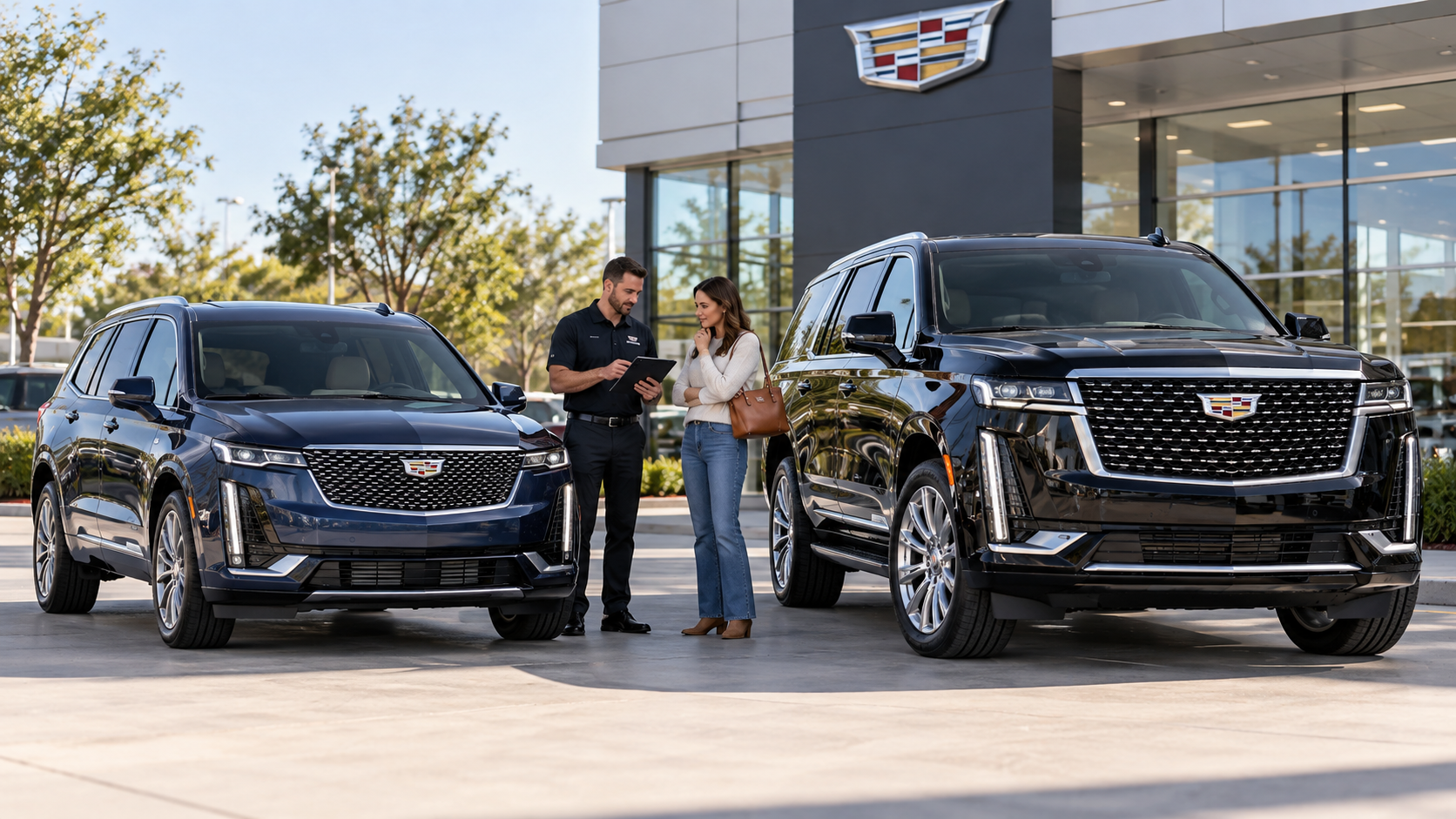
XT6 vs Escalade gives shoppers two very different approaches to three row Cadillac seating. The XT6 occupies the midsize class and takes up less road space. The Escalade sits in the full size class and adds substantially more room. Therefore, the comparison should begin with physical size before trim or equipment. Length, width, passenger space, cargo room, and engine output all separate these two SUVs. Where XT6 and Escalade Sit in the Cadillac SUV Range The XT6 fills the midsize three row role in the Cadillac lineup. The Escalade sits several steps above it in physical size. Therefore, both can seat three rows without serving the same space needs. The 2025 Cadillac XT6 measures 198.5 inches long. The current Cadillac Escalade measures 211.9 inches long. That creates a 13.4 inch gap before width or wheelbase enter the comparison. Width changes too. The XT6 measures 77.3 inches across. The Escalade measures 81.1 inches. Therefore, the full size SUV occupies more room both front to back and side to side. That size gap matters before anyone enters the cabin. A shorter body can be easier to place in tighter parking spaces. A wider full size SUV gives more room inside but asks for more exterior space. For this reason, the segment label should guide the first comparison. Midsize and full size describe more than styling. They describe how much vehicle surrounds the passenger area. How Much Larger Is the Escalade? The Escalade is longer, wider, and built on a longer wheelbase than the XT6. Therefore, the difference is easy to notice before entering either cabin. The XT6 uses a 113 inch wheelbase. The Escalade stretches that measurement to roughly 121 inches. That longer distance between the axles creates more room for seating and cargo. The exterior differences are easy to review together: Escalade is 13.4 inches longer than the XT6. Escalade is about 3.8 inches wider across the body. Escalade uses a wheelbase roughly eight inches longer than XT6. Those numbers also matter in a garage. A driver with limited floor space should measure the available area before comparing equipment. Door clearance deserves attention too because Escalade also occupies more width. The XT6 asks for less space around the vehicle. Therefore, it can suit someone who wants three rows without stepping into full size dimensions. What Does the Extra Escalade Size Add Inside? The extra Escalade size adds third row room, greater cargo volume, and an available eighth seating position. Therefore, the exterior growth creates measurable changes inside. The XT6 seats seven. Escalade can seat up to eight. That difference matters when an extra passenger position is useful more than once or twice each year. Third row legroom also grows. XT6 provides 29.5 inches in the third row. Escalade provides 34.9 inches. That 5.4 inch gap can make a noticeable difference for taller passengers. Cargo room changes even more. The XT6 provides 12.6 cubic feet behind its third row. Escalade provides 25.5 cubic feet behind its third row. That means Escalade keeps much more cargo room when all seats stay upright. The difference can matter when passengers and luggage need space at the same time. Maximum cargo volume also separates the two: XT6 provides up to 78.7 cubic feet with rear seating folded. Escalade provides up to 120.5 cubic feet behind the first row. Escalade keeps about twice the cargo room behind the third row. The XT6 still provides three rows in a smaller package. However, Escalade converts its larger exterior footprint into much more interior volume. How Powertrain Scale Changes Too The segment difference continues beneath the hood. The 2025 XT6 offered two gasoline engine choices. Escalade uses a larger standard engine with much greater output. XT6 starts with a 2.0 liter turbocharged four cylinder engine rated at 235 horsepower. An available 3.6 liter V6 raises output to 310 horsepower. The current Escalade uses a 6.2 liter V8 with 420 horsepower. Therefore, the gap between these SUVs extends well beyond exterior measurements. That output supports a much larger vehicle. Escalade also carries more passenger and cargo volume. The engine comparison makes more sense when viewed beside the physical scale of each SUV. A shopper should still compare the exact vehicle on the lot. Trim, drivetrain, and equipment can change from one unit to another. For this reason, the model name alone should not settle the engine discussion. Check the engine, drivetrain, and equipment listed for the specific SUV. Which Footprint Fits Your Roads and Garage? A three row SUV should fit where you use it most. Therefore, exterior measurements deserve as much attention as passenger space. The XT6 can make sense for drivers who want three rows with less overall length. That smaller footprint can simplify parking in tighter lots or garages. Escalade asks for more room around the vehicle. However, that larger footprint is tied directly to more passenger and cargo space. Before choosing, check a few physical limits at home and around your normal routes: Measure garage depth and width with room left for opening doors. Check whether frequent parking areas have narrow spaces or tight turns. Compare how often you need the third row and cargo area at the same time. A larger SUV can offer more room, but that room comes with a larger exterior package. The XT6 takes the opposite approach by fitting three rows into a midsize footprint. That distinction is the heart of the XT6 vs Escalade comparison. Comparing Both Around the Space You Actually Need XT6 vs Escalade becomes easier to sort once you separate interior needs from exterior space. The XT6 uses a smaller body and still provides three seating rows. Escalade adds more third row room, cargo capacity, seating capacity, and engine output. Start with the spaces you cannot change. Measure the garage, driveway, and parking areas you use most. Then think about how frequently the third row stays occupied. If you carry passengers and cargo together, the Escalade numbers deserve close attention. If exterior size matters more, the XT6 keeps the package considerably smaller. Ross Downing Cadillac can help you compare both models around the dimensions that matter most. You can also review available Cadillac XT6 inventory before your visit. Sit in the third row and inspect the cargo area. Then compare the exterior footprint before making your decision.

How Many Miles Can a Cadillac Escalade Last With Maintenance

How Many Miles Can a Cadillac Escalade Last With Maintenance

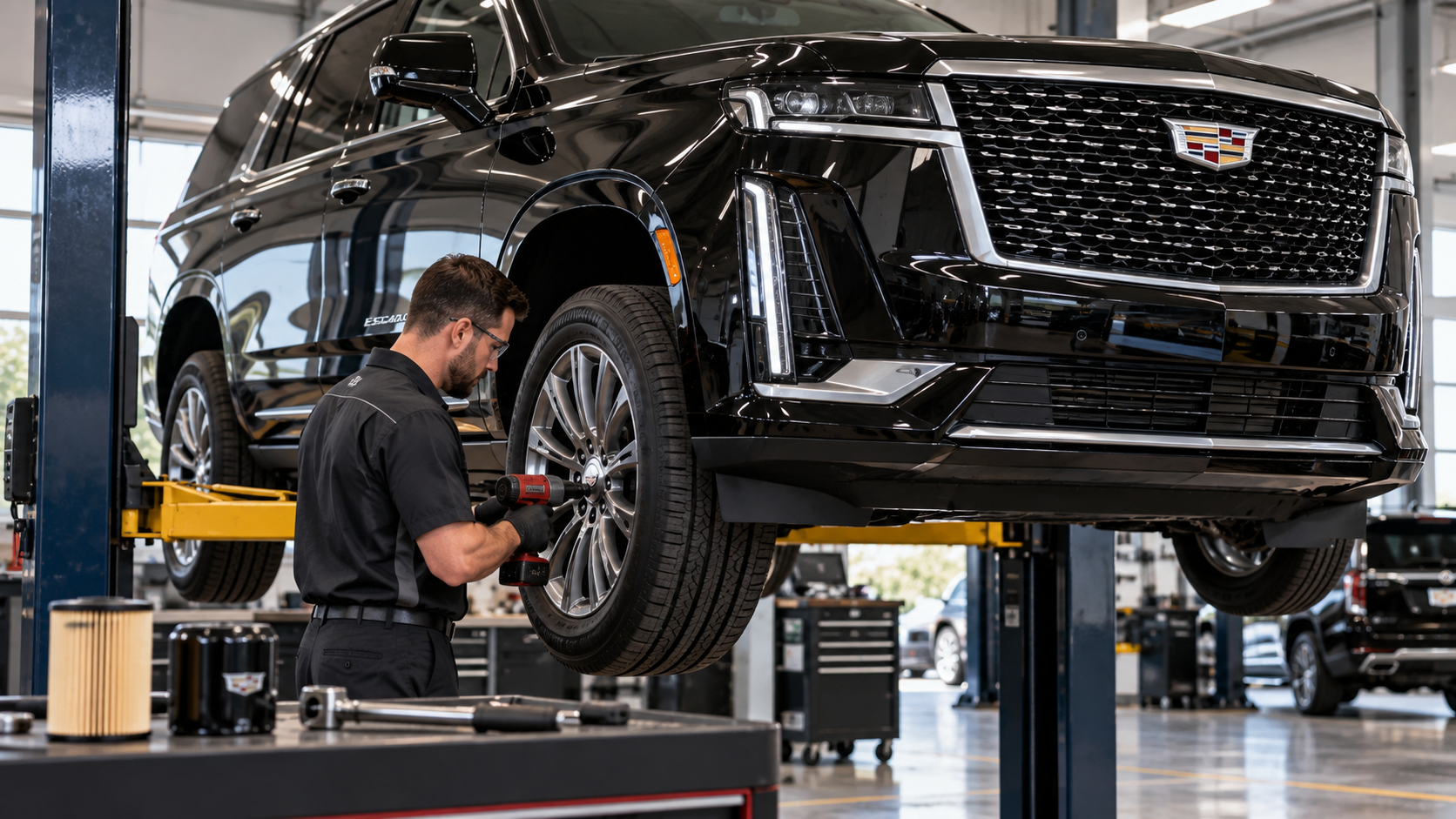
How many miles can a Cadillac Escalade last when service stays current? The answer varies by vehicle history, mileage, repair records, and care. However, scheduled maintenance gives owners a clear way to protect the SUV as miles build. Cadillac uses mileage intervals, the Oil Life System, and the Owner’s Manual to guide service. Therefore, a mileage based plan gives a more accurate path than a fixed calendar schedule. Start With the 7,500 Mile Service Rhythm Cadillac uses a recurring 7,500 mile rhythm for core maintenance on gasoline powered vehicles. That interval includes oil and filter service plus tire rotation. Therefore, these tasks form the base of an Escalade maintenance plan. Oil service protects internal engine parts from heat, deposits, and friction. The Oil Life System tracks operating data and signals when service is due. However, owners should still follow the exact guidance in their Cadillac Owner’s Manual. Tire rotation moves each tire to a different position on the SUV. As a result, tread wear can stay more even across all four corners. Rotation also gives the service team another chance to inspect tread, pressure, and visible damage. A recurring visit may include several basic checks: Oil and filter service supports clean lubrication inside the engine. Tire rotation helps distribute tread wear across the vehicle. A visual inspection can identify leaks, tire damage, or worn brake parts. These recurring items matter because later service builds on them. Therefore, a missed early interval can leave gaps in the vehicle’s maintenance record. What Changes Between 22,500 and 60,000 Miles? This mileage range adds more inspection and replacement items to the recurring service rhythm. Filters, brakes, tires, battery health, and coolant may need closer attention. Therefore, the service visit begins covering more than oil and rotation. Engine air filters help keep debris from entering the intake path. Cabin filters clean incoming air before it reaches the passenger area. As a result, replacement timing matters when either filter becomes restricted. Brake inspections also become more important as mileage rises. Technicians can measure pad material and review rotor condition during service. Therefore, the owner can see how much material remains before replacement becomes necessary. Battery testing can also reveal reduced starting reserve before a no start event occurs. In addition, coolant checks help confirm fluid level and visible condition. These items may not need replacement at the same mileage on every Escalade. For this reason, service records become useful during this phase. They show what has already been completed and what still needs review. Maintenance From 60,000 to 90,000 Miles Mileage from 60,000 through 90,000 brings more mechanical items into the service discussion. Cadillac’s general guidance includes transmission service, belts, hoses, shocks, and struts in later mileage ranges. Transmission fluid supports lubrication, heat control, and hydraulic operation inside the transmission. Therefore, correct service timing matters for smooth gear changes and internal protection. The exact interval should come from the Escalade Owner’s Manual. Belts and hoses also deserve closer inspection as age and mileage rise. Rubber parts can harden, crack, swell, or lose tension. As a result, visible wear can signal the need for replacement before a failure occurs. Shocks and struts control wheel movement and body motion over bumps. Worn parts can change ride control, tire contact, and steering response. Therefore, inspection matters when the SUV begins showing new movement, noise, or uneven tire wear. At this stage, owners should compare current mileage with completed service. That comparison keeps the next visit tied to the vehicle’s actual history. What Should You Review After 90,000 Miles? Higher mileage service combines scheduled items with a careful review of previous maintenance. Spark plugs, differential service, fluids, and wear parts may need attention. Therefore, records become more useful as the odometer climbs. Spark plugs create the spark that starts combustion inside each cylinder. Worn plugs can lead to harder starts, rough running, or reduced fuel efficiency. The correct replacement interval can vary by engine and model year. Differential fluid protects gears that divide power between the drive wheels. In addition, four wheel drive models may require added drivetrain checks. Exact service timing should follow the correct Owner’s Manual. Before scheduling higher mileage work, review these records: Confirm the last oil service, tire rotation, and brake inspection. Check whether transmission, differential, and coolant service has already been completed. Note any previous suspension, battery, belt, hose, or spark plug work. This review can prevent duplicate service and reveal missed items. Therefore, the next appointment can focus on what the Escalade still needs. How Maintenance Connects With Escalade Longevity How many miles can a Cadillac Escalade last cannot be answered with one guaranteed number. Independent data can describe broad trends, but each SUV develops its own service history. Therefore, the more useful question is whether maintenance has kept pace with mileage. Independent vehicle lifespan data can provide broad context for higher mileage ownership. However, those figures describe groups of vehicles and cannot predict the future mileage of one Escalade. Service history adds context to any higher mileage SUV. Regular oil changes support engine lubrication. Tire care, brake inspections, fluid service, and scheduled replacement items also keep major components under review. However, maintenance cannot prevent every repair. Age, prior damage, towing history, climate, and previous service quality can all shape future needs. Therefore, a technician should inspect the specific Escalade instead of relying only on mileage. Owners considering a higher mileage Escalade should review records before purchase or continued ownership. A complete file can show whether major intervals were completed when due. Build the Schedule Around Your Exact Escalade Cadillac gives owners several tools for planning service. The Owner’s Manual provides the exact maintenance schedule for a specific model year and powertrain. In addition, the myCadillac app can display service information for supported vehicles. Start with the current odometer reading. Then compare that mileage with the maintenance history and the correct manual. Therefore, you can identify which recurring tasks and larger milestones are due next. The Oil Life System adds another useful signal for engine oil service. However, it should work with the manual and service history, not replace them. A service advisor can also review prior dealership records when available. Ross Downing Cadillac Certified Service can work with you to build a maintenance plan around your Escalade’s current mileage and completed service. Bring your service records when possible. Then compare them with the Owner’s Manual before approving new work. That process gives the next service visit a clear starting point.

Cadillac Service Appointment Wait Times in Hammond

Cadillac Service Appointment Wait Times in Hammond

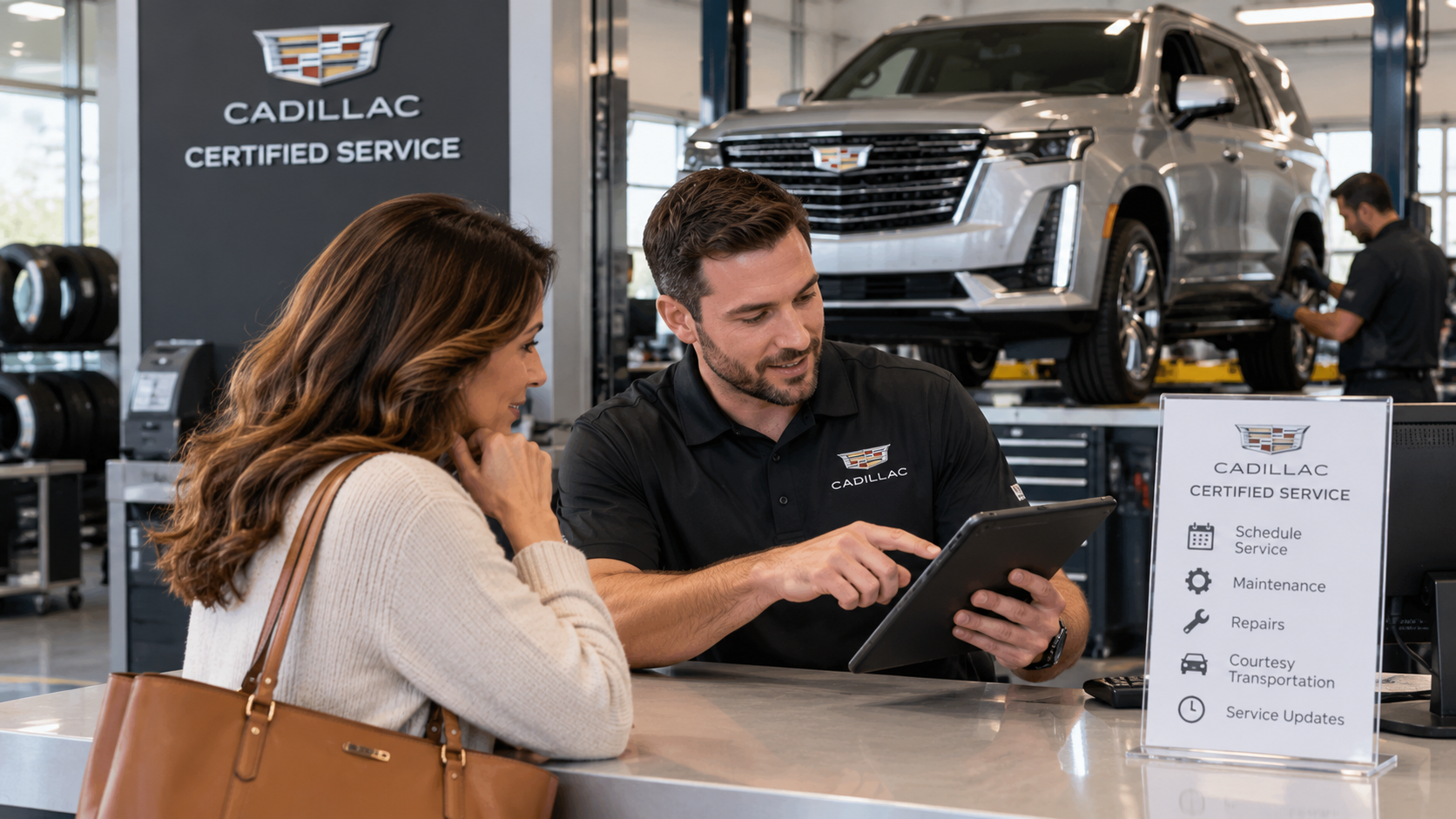
A Cadillac service appointment can make it easier to plan your day before you arrive. You can share the reason for the visit, ask about transportation, and discuss a likely pickup window. However, a booked time does not promise a fixed completion time. Routine maintenance, diagnosis, parts needs, and repair findings can each change the schedule. For this reason, knowing what the appointment covers can make the visit easier to plan. What a Cadillac Service Appointment Reserves A Cadillac service appointment reserves a planned arrival time with the service department. It gives the team notice about your vehicle, requested work, and timing needs before check in. Therefore, the advisor can begin with more context when you arrive. Does an appointment guarantee a short wait? No. The appointment sets the intake plan, while the full timeline depends on the work requested. A routine oil change follows a known process. By contrast, a warning light may need testing before the repair can be scoped. The advisor may also need to confirm parts, warranty details, or technician availability. For this reason, the first estimate can change after inspection begins. A scheduled visit still gives you a better chance to discuss those variables before the vehicle enters the shop. When booking, share the main concern in clear terms. Include any warning lights, noises, leaks, or recent repair history. That information can make the opening conversation more focused. Can You Bring a Cadillac in Without an Appointment? You can ask the service department about walk in availability, but timing depends on the current shop schedule. The advisor first needs to review the requested work and the number of vehicles already in line. Therefore, walk in service can carry more uncertainty than a booked visit. A simple maintenance task may fit into the day more easily than a diagnostic concern. However, even routine work still depends on technician and bay availability. For this reason, calling before you arrive can save an unnecessary trip. If you plan to come in without an appointment, ask these questions first: Can the service team accept this type of work today? Is there a likely check in window for my vehicle? Should I plan to wait on site or arrange a ride? Those answers give you a clearer plan before you leave home. They also help the advisor set a realistic expectation for the visit. Why Routine Maintenance and Diagnosis Take Different Amounts of Time Routine maintenance follows a known set of steps. An oil change, tire rotation, or scheduled inspection has a defined task list before the vehicle arrives. Therefore, the service team can estimate the work more easily. Diagnostic work begins differently. A warning light, vibration, noise, or intermittent issue needs testing before the cause is known. The technician may scan for fault codes, inspect related parts, or reproduce the concern during a road test. That process can uncover a repair that was not clear at check in. As a result, the timeline may expand after the first inspection. The advisor may need your approval before added work begins. Parts can also add time after diagnosis. A repair may require a component that is not already in stock. Therefore, the team may need to order the part before work can continue. For that reason, two appointments scheduled at the same hour can finish at very different times. The service type sets the first part of the timeline. The findings after inspection shape the rest. When Courtesy Transportation Should Be Discussed Courtesy transportation should be discussed before the appointment when you know you cannot wait at the dealership. Cadillac Certified Service offers transportation support in qualifying service situations, but availability can vary by dealer and repair. Ask about a courtesy vehicle, rental option, shuttle, or other transportation support while scheduling. That gives the team time to explain what is available for your visit. A courtesy vehicle should never be assumed. Some repairs may qualify while others may not. Availability can also change from day to day. If transportation matters to your schedule, confirm these details before arrival: Is a courtesy vehicle available for this visit? Does the repair need to meet specific warranty requirements? What identification or insurance information should I bring? Is there a pickup or return time I need to plan around? That conversation can keep transportation from becoming a surprise at check in. It also gives you a clearer idea of how the service visit will fit into the rest of your day. What to Share When Booking Your Visit A clear service request gives the advisor better information before the vehicle arrives. Start with the main reason for the visit, then add details that could shape the timeline. If a warning light is on, describe when it first appeared. If you hear a noise, note when it happens and where it seems to come from. If the concern is intermittent, explain how frequently you notice it. Also share your current mileage and any recent repair history tied to the same issue. That gives the advisor more detail about the concern before check in. If timing is important, say so during scheduling. Ask whether the visit is likely to be a wait on site appointment or a drop off. Then ask when the team expects to provide the first update. Clear information at the start does not guarantee a faster repair. However, it can reduce confusion about what the team needs to inspect. Planning the Visit Around Your Day A Cadillac service appointment works best when the timing plan is discussed before the vehicle arrives. Ask what type of visit you are booking and how long check in may take. Also ask when the first update should come. If you are scheduling routine maintenance, the advisor may be able to give you a narrower window. If the visit involves diagnosis, plan for more uncertainty until testing is complete. Therefore, leave room in your schedule for a revised pickup time. You can also ask what may change the timeline. Parts, added findings, warranty review, and customer approval can all extend the visit. Knowing that before arrival makes it easier to plan work, family tasks, or transportation. Ross Downing Cadillac Certified Service can work with you to choose a service time that fits the work your vehicle needs. Share the concern when you book, ask about transportation before arrival, and confirm when to expect the first update. You can also review Cadillac maintenance guidance before scheduling. That preparation can make the day easier to manage from check in through pickup.