Blog / Hammond Cadillac Dealer

In-Depth Cadillac XT6 Review: Luxury, Performance, and Innovation

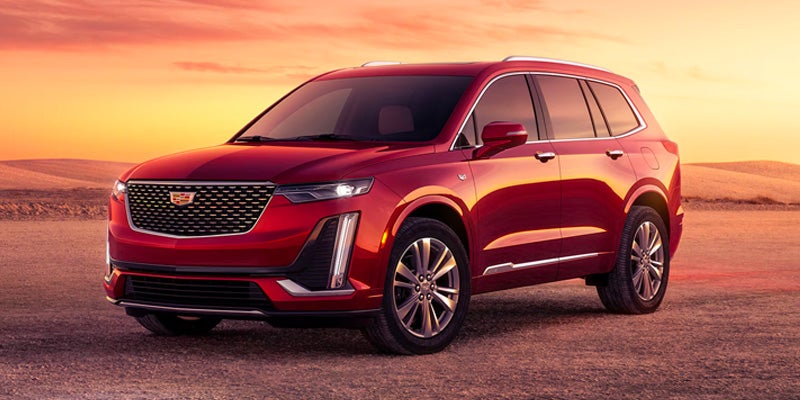
The Cadillac XT6 stands as a testament to Cadillac’s commitment to luxury, performance, and cutting-edge technology in the mid-size SUV segment. This detailed review provides a thorough look at the XT6, covering everything from inventory options to specific features and commonly asked questions.

Inventory Options and Customization

New, Used, and Certified Pre-Owned (CPO)

Ross Downing Cadillac offers a range of XT6 options to suit various preferences and budgets:

  1. New XT6 Models: Experience the latest in Cadillac innovation with our new XT6 lineup.
  2. Used XT6 Options: Find quality pre-owned models at competitive prices.
  3. Certified Pre-Owned (CPO) XT6: Enjoy like-new quality with additional warranty coverage.

Custom Build and Price Options

For those seeking a personalized touch, Cadillac offers a custom build option. This allows buyers to tailor their XT6 to exact specifications, from trim levels to interior finishes and advanced features.

Finance and Lease Options

Ross Downing Cadillac provides flexible financing solutions:

  • Traditional financing with competitive rates
  • Lease options for those preferring lower monthly payments
  • Special financing offers for qualified buyers

Trim Levels and Features

The 2025 Cadillac XT6 is available in three main trim levels, each offering a unique blend of luxury and technology:

  1. Luxury: The base trim that’s well-equipped with:
    • 18-inch wheels
    • Panoramic sunroof
    • LED headlights
    • Power liftgate
    • Tri-zone automatic climate control
    • Synthetic leather upholstery
    • Heated, power-adjustable front seats
    • 8-inch center touchscreen display
    • Wireless Apple CarPlay and Android Auto
  2. Premium Luxury: Adds luxurious features such as:
    • 20-inch wheels
    • Ventilated front seats
    • Heated rear outboard seats
    • Leather seating for all three rows
    • Hands-free liftgate
    • Navigation system
    • Premium 14-speaker Bose audio system
    • Wireless charging pad
  3. Sport: Enhances performance with:
    • Sport-tuned all-wheel-drive system
    • Torque-vectoring rear axle
    • Sport-tuned adaptive suspension
    • Brembo performance brakes with red painted calipers
    • Carbon-fiber interior accents

The Premium Luxury and Sport trims also offer additional package options, including the Platinum package, Driver Assist package, and Technology package, allowing for further customization.

Color Options

The XT6 offers a sophisticated palette of color options:

Exterior Colors:

  • Radiant Red Tintcoat
  • Black Raven
  • Crystal White Tricoat
  • Dark Moon Blue Metallic
  • Argent Silver Metallic
  • Galactic Gray Metallic

Interior Colors:

  • Jet Black
  • Whisper Beige
  • Dark Auburn
  • Brandy with Very Dark Atmosphere accents

Pricing

The 2025 Cadillac XT6’s starting MSRP ranges from approximately $50,690 for the base Luxury trim to $62,190 for the top-tier Sport trim.

Pricing Disclaimer: Prices may vary based on options, dealer fees, and market conditions. Please contact Ross Downing Cadillac for the most accurate and up-to-date pricing information.

Seating and Cargo Capacity

The XT6 offers flexible seating options:

  • Standard configuration: 7 passengers (2-2-3)
  • Optional second-row captain’s chairs: 6 passengers (2-2-2)

Cargo space is generous:

  • 12.6 cubic feet behind the third row
  • 43.1 cubic feet with the third row folded
  • 78.7 cubic feet with both rear rows folded

Production Changes and Availability

The 2025 model year marks significant changes for the XT6. It’s important to note that 2025 will be the final model year for the XT6 in North America. The 2026 model is expected to be available only in the Chinese market, with production continuing at the SAIC-GM Jinqiao Cadillac plant in Shanghai.

For North American customers, the XT6 is being indirectly replaced by the all-electric Cadillac Vistiq, which went on sale in the spring of 2025.

Super Cruise Feature

The XT6 offers Cadillac’s advanced Super Cruise hands-free driver assistance technology. This feature allows for hands-free driving on compatible highways, enhancing both safety and convenience during long journeys.

Drivability and Ride Quality

The XT6 is known for its smooth and comfortable ride, balancing luxury with responsive handling. The available adaptive suspension in the Sport trim further enhances the driving experience, providing a more dynamic feel when desired.

Specifications and Performance

Engine Options

  • Standard: 2.0L Turbo 4-cylinder (235 hp, 258 lb-ft of torque)
  • Available: 3.6L V6 (310 hp, 271 lb-ft of torque)

Both engines are paired with a 9-speed automatic transmission.

Drive Type

  • Front-Wheel Drive (FWD) standard on Luxury and Premium Luxury
  • All-Wheel Drive (AWD) available on all trims, standard on Sport

Towing Capacity

Up to 4,000 lbs when properly equipped with the available Smart Tow Trailering System.

Fuel Economy

  • 2.0L Turbo: 21 mpg city / 27 mpg highway (FWD)
  • 3.6L V6: 19 mpg city / 26 mpg highway (FWD)

AWD models typically see a slight decrease in fuel economy.

Dimensions

  • Length: 198.8 inches
  • Width: 77.3 inches
  • Height: 68.9 inches
  • Wheelbase: 112.7 inches

Reliability and Lifespan

Cadillac has a reputation for building durable vehicles, and the XT6 is no exception. With proper maintenance, an XT6 can be expected to last well over 200,000 miles. Cadillac’s warranty coverage includes:

  • 4-year/50,000-mile bumper-to-bumper warranty
  • 6-year/70,000-mile powertrain warranty
  • Complimentary maintenance for the first visit

Key Features

The XT6 comes equipped with a host of advanced features:

  1. Cadillac Smart System: A suite of advanced safety and driver assistance features.
  2. Wireless Android Auto and Apple CarPlay: Seamless smartphone integration.
  3. Wireless Charging: Convenient charging for compatible devices.
  4. Sport Control AWD: Available on Sport trim for enhanced performance.
  5. Driver Mode Selector: Customize your driving experience to match road conditions.

Cadillac XT6 vs. Competitors

When comparing the XT6 to similar vehicles like the Buick Enclave, the Cadillac stands out with its more premium materials, advanced technology features, and distinctive styling. While they may share some underlying architecture, the XT6 offers a more refined and luxurious experience befitting the Cadillac brand.

Fuel Requirements and Value Retention

The Cadillac XT6 is designed to run on premium gasoline for optimal performance. While it can operate on regular gas, using premium fuel ensures the best performance and fuel economy. As for value retention, Cadillacs, including the XT6, tend to hold their value well compared to some competitors in the luxury segment. Factors such as proper maintenance, mileage, and overall condition play significant roles in determining resale value.

Luxury vs. Premium Luxury Trims

The main differences between the Luxury and Premium Luxury trims lie in the level of standard features and available options. The Premium Luxury trim offers more advanced technology, higher-quality materials, and access to additional optional packages not available on the base Luxury trim.

The Cadillac XT6 offers a compelling blend of luxury, performance, and technology in the mid-size SUV segment. Its range of trims and options allow for personalization to suit various preferences and needs. While 2025 marks the final year for the XT6 in North America, it remains a strong choice for those seeking a premium SUV experience.
Posted in:

Related Posts

Cadillac XT5 vs Lexus RX for Comfort Space and Value

Cadillac XT5 vs Lexus RX research for 2026 starts with the tasks each SUV must handle. Both provide two rows and seating for five. However, their cargo measurements, engine choices, cabin controls, and propulsion paths differ. Those details shape commuting, family travel, errands, and weekend loading. The XT5 offers two gasoline engines and a larger published cargo maximum. By contrast, the RX 350 uses one turbocharged gasoline engine. Lexus also offers separate RX hybrid and plug in hybrid models. Therefore, a fair comparison begins with the RX 350 before considering electrified alternatives. Which SUV Fits Your Daily Drive More Naturally? Daily fit comes from passenger space, cargo layout, power delivery, controls, and purchase priorities. However, exterior length alone cannot answer that question. Instead, sit in both rows and complete the tasks you handle each week. The 2026 XT5 measures 189.6 inches long. The RX measures 192.5 inches long. Still, the longer exterior does not give the RX every interior advantage. Furthermore, cabin packaging controls how each inch serves passengers and cargo. During a commute, notice seat support, visibility, steering effort, and control placement. In addition, test phone pairing, climate adjustments, navigation, and camera views. These tasks reveal more than screen size alone. more Additionally, check rear door openings and foot space beneath the front seats. Moreover, install any child seats you expect to use. Confirm that front occupants retain comfortable legroom after each seat is secured. Cadillac XT5 vs Lexus RX shoppers should also consider garage length and parking space. The XT5 has a shorter published length. Therefore, it may leave more room around the vehicle in tighter spaces. Cadillac XT5 vs Lexus RX Cargo and Passenger Space The XT5 lists 30 cubic feet behind its rear seats. With those seats folded, Cadillac lists 63 cubic feet. The RX provides about 29.6 cubic feet with its seats upright. Lexus lists about 46.2 cubic feet with them folded. The upright figures sit close together. However, the folded figures show a larger difference. The XT5 may suit drivers who carry boxes, home supplies, luggage, or sports gear. Still, published volume does not explain cargo shape. Therefore, inspect the opening width, floor height, side trim, and roof slope. A square item may fit one cargo area better despite similar upright measurements. Moreover, rear legroom separates the published specifications. Cadillac lists 39 inches in the XT5. Lexus lists 37.4 inches in the RX. Consequently, taller rear passengers should sit behind their usual front seat position. Bring the items that define your routine. A stroller, mobility aid, golf bag, or pet crate can expose fit differences quickly. Additionally, fold each rear seat and note whether the floor supports longer items cleanly. The Cadillac XT5 vs Lexus RX space decision should come from both measurements and a loading test. Numbers establish the baseline. Your own cargo confirms the final fit. How Do the XT5 and RX Engine Choices Differ? The XT5 offers two gasoline engines. Its standard 2.0 liter turbo four cylinder produces 235 horsepower. An available 3.6 liter V6 produces 310 horsepower. The V6 comes with the middle trim and arrives standard on Sport. The RX 350 uses a 2.4 liter turbo four cylinder. Lexus also offers RX hybrid and plug in hybrid models. Therefore, shoppers interested in electrification have more RX powertrain paths. Within the XT5 range, the turbo engine may suit steady commuting and lower fuel use. By contrast, the V6 supplies quicker acceleration for highway merging and loaded trips. Test both with several passengers when possible. However, horsepower does not describe the entire drive. Transmission response, throttle tuning, vehicle weight, and all wheel drive also shape acceleration. Moreover, tire size can change steering feel and road feedback. A fair Cadillac XT5 vs Lexus RX review should compare similar configurations. Match gasoline with gasoline first. Then assess an RX hybrid separately, including its price and fuel requirements. Both nameplates offer all wheel drive on selected versions. Therefore, confirm the chosen drivetrain before comparing window stickers. Trim names do not always reveal every mechanical detail. Comfort Technology and Driver Controls Therefore, comfort starts with the seat, not the feature list. Spend enough time to judge thigh support, lower back support, cushion firmness, and headrest position. Additionally, adjust the steering wheel and mirrors before evaluating visibility. Road testing should include several surfaces. Use a slower street with patched pavement, a steady highway section, and a curved road. Consequently, you can judge impact response, body movement, wind noise, and steering effort. Technology also requires a task based review. Complete these checks before choosing: Pair your phone and start a familiar navigation route. Then change the destination without leaving the main screen. Adjust cabin temperature, fan speed, audio volume, and camera views while parked. Note how quickly each control responds. Test each driver assistance feature included on that exact trim. Confirm its alerts and control locations before entering traffic. Furthermore, wheel and tire choices deserve equal attention. Larger wheels usually use shorter tire sidewalls. Therefore, road texture may feel different, and replacement prices may rise. The XT5 retains familiar physical controls for several common functions. The RX uses its own screen and switch arrangement. Neither layout fits every driver equally. Still, a ten minute control test can reveal which cabin feels more natural. Which SUV Matches Your Routine? The XT5 presents a strong case for drivers who value maximum cargo room and available V6 power. Its shorter exterior length may also suit tighter parking areas. Furthermore, its published rear legroom supports regular adult passengers. By contrast, the RX 350 offers a turbocharged gasoline layout and separate electrified RX choices. Therefore, shoppers focused on hybrid driving may begin with Lexus. That path requires a separate price and fuel comparison. For daily errands, compare cargo access and cabin controls. For highway travel, compare seat support, noise, passing response, and driver assistance equipment. In addition, review warranty terms, insurance costs, and service records for the exact vehicles. Cadillac XT5 vs Lexus RX value cannot be judged from starting prices alone. Compare similar equipment, drivetrain, mileage, coverage, and dealer support. A lower price may omit features you plan to use. Ross Downing Cadillac can help you examine available XT5 models by engine, trim, drivetrain, and cabin equipment. Bring your regular passengers and cargo during the visit. Therefore, the final choice can reflect the way you drive each day.

Cadillac LYRIQ Trim Levels Luxury 1 Through Luxury 3

Cadillac LYRIQ trim levels for 2026 include Luxury 1, Luxury 2, and Luxury 3. Each step adds a different mix of technology, comfort, and cabin detail. However, the trim number does not choose the motor layout for you. Rear wheel drive comes standard, while all wheel drive remains available across the three levels. That distinction shapes the shopping process. First, choose the equipment level that fits your routine. Then compare rear wheel drive and all wheel drive within that level. This keeps trim features separate from powertrain choice and makes each test drive more useful. How the 2026 Cadillac LYRIQ Trim Levels Work The three numbered levels form a clear equipment ladder within the bright exterior theme. Luxury 1 establishes the core cabin and electric driving setup. Luxury 2 adds major driver technology and front seat upgrades. Luxury 3 adds rear cabin comfort, larger wheels, and selected security equipment. How do these Cadillac LYRIQ trim levels differ? The answer starts with where each upgrade changes your day. Some features support highway travel. Others focus on seat comfort, sound quality, rear passengers, or cargo privacy. more The Sport range follows a similar numbered structure. Its main distinction is a darker exterior treatment. Therefore, shoppers can compare appearance separately from cabin equipment and motor choice. This structure also prevents a common misunderstanding. Moving from Luxury 1 to Luxury 3 does not automatically add all wheel drive. The second motor remains a separate configuration choice. As a result, two vehicles with the same trim name may still have different power delivery. What Comes With Cadillac LYRIQ Luxury 1 Luxury 1 already includes the main LYRIQ cabin and display layout. The wide 33 inch display places driving information, navigation, media, and vehicle settings within one curved panel. In addition, Google built in services support maps, voice commands, and connected apps. The front seats include heat, while the panoramic glass roof opens the cabin visually. Wireless phone integration reduces cable clutter. Furthermore, the power liftgate supports loading when your hands are full. Luxury 1 also includes a broad group of driver support features. These features watch surrounding traffic, warn about selected hazards, and support braking or lane guidance when needed. Still, drivers remain responsible for steering, speed, and attention. Can Luxury 1 include all wheel drive? Yes. Rear wheel drive comes standard, and dual motor all wheel drive remains available. Therefore, a shopper can choose added traction without moving to Luxury 2 or Luxury 3. For daily commuting, Luxury 1 may cover the main needs. It brings the signature display, strong cabin technology, and electric driving without the added equipment from the next two levels. What Makes Cadillac LYRIQ Luxury 2 Different? Luxury 2 adds the largest driver technology and front seat upgrade package. Super Cruise leads that change. On compatible roads, it can manage steering and speed while the driver remains attentive. A driver facing camera checks attention throughout the trip. That feature may carry the most weight for regular highway travel. However, the value of Luxury 2 extends beyond Super Cruise. Ventilated front seats add cooling air through the seat surface. Lumbar massage adds movement through the lower seat area during longer drives. The 19 speaker AKG Studio audio setup also changes the cabin. More speakers place sound across a wider area, while active noise cancellation reduces selected low frequency sounds. Consequently, music and spoken audio can feel clearer at highway speeds. Luxury 2 also adds a Rear Camera Mirror and a hands free liftgate. The mirror can show a camera view from behind the vehicle. At the same time, the liftgate can open through a foot motion when the key is nearby. For shoppers comparing Luxury 1 and Luxury 2, the question is direct. Will highway support, seat cooling, massage, audio, and loading access matter each week? When the answer is yes, the middle level may justify the added price. What Cadillac LYRIQ Luxury 3 Adds Luxury 3 builds on the second level with more rear cabin attention. Heated rear outboard seats give passengers warmth in cool months. Three zone climate control gives the rear area its own temperature setting. Therefore, families or frequent passengers gain more control over cabin comfort. The 22 inch wheels create the most visible exterior change. Their larger diameter and lower profile tires sharpen the visual stance. Still, shoppers should test ride quality on familiar roads. Tire replacement cost and estimated driving distance also deserve review. Does Luxury 3 add more motor output? No. Motor layout remains a separate choice. A rear wheel drive Luxury 3 and an all wheel drive Luxury 3 deliver different power. However, both share the same trim equipment. Luxury 3 also adds a cargo cover and selected theft detection equipment. The cover keeps items out of sight behind the rear seats. In addition, the added security features can watch for selected forms of forced entry or vehicle movement. This level fits shoppers who carry rear passengers regularly or prefer the larger wheel design. By contrast, solo commuters may use fewer of these added features. Which 2026 Cadillac LYRIQ Trim Fits Your Drive The right choice starts with the features you will use each week. Luxury 1 suits drivers who want the core display, heated seating, panoramic roof, and electric driving setup. Luxury 2 suits longer highway travel and drivers who value seat cooling, massage, audio, and Super Cruise. Luxury 3 suits households that carry rear passengers and want larger wheels with added cabin detail. Before choosing, compare these points: Choose the equipment level first. Then compare rear wheel drive and all wheel drive within that level. Test Super Cruise, seat controls, audio, climate settings, and the Rear Camera Mirror during your visit. Compare wheel size, tire profile, ride feel, rear seat use, and cargo privacy before judging the final price. Cadillac LYRIQ trim levels can look simple on paper, yet the best fit becomes clearer inside the vehicle. Sit in each seating row. Use the display. Test the liftgate and camera views. Then compare the exact features on the window sticker. Ross Downing Cadillac can guide your review of available 2026 LYRIQ models side by side. That comparison keeps the focus on your commute, passenger needs, charging plans, and preferred motor layout.

CT5-V vs CT5-V Blackwing: How the Two Cadillacs Differ

The CT5-V and CT5-V Blackwing share a nameplate, a platform, and a body. The two cars are separated by roughly $40,000, 308 horsepower, and a fundamental difference in driving intent. One is a sport sedan that balances daily comfort with genuine driving capability. The other is a hand-built, track-ready machine that happens to function as a daily driver. Understanding where the two cars diverge at the hardware level makes the decision straightforward. The Powertrain Gap: Twin-Turbo V6 vs Supercharged V8 The CT5-V uses a 3.0L twin-turbo V6 producing 360 horsepower and 405 lb-ft of torque. The CT5-V Blackwing uses a 6.2L supercharged V8 producing 668 horsepower and 659 lb-ft of torque. That gap is 308 horsepower and 254 lb-ft of torque. Both figures are significant. That torque difference is what shapes how each car feels at everyday driving speeds. The twin-turbo V6 builds boost as exhaust energy accumulates. Peak torque arrives higher in the RPM range as a result. The engine pulls strongly from 2,500 RPM upward and delivers a 4.6-second 0-60 time. That is quick for a full-size sport sedan. The supercharged V8 in the Blackwing operates differently. Boost is mechanically driven from the crankshaft at all times. The full torque figure is available from low RPM. The engine does not need to build into a power band first. The result is 3.4 seconds to 60 mph and an engine character that feels immediate at any throttle position. more The Blackwing engine is hand-assembled and each unit is signed by the technician who built it. That process reflects both the output level and the manufacturing tolerances required to sustain it. Transmission: Automatic Only vs Manual Available The CT5-V is available exclusively with a 10-speed automatic transmission. The CT5-V Blackwing offers a choice: the same 10-speed automatic or a 6-speed manual. That option is one of the most significant features separating the two cars. It requires context to evaluate correctly. A 6-speed manual in a 668-horsepower rear-wheel-drive sedan is a specific ownership proposition. On a track day, the manual gives the driver direct control over gear selection and rev matching. No automatic replicates that connection. The engagement is complete. Every gear change is a physical action with mechanical consequence. The manual Blackwing is one of very few cars in its class that still offers that connection. By contrast, in daily driving, the manual requires more attention in traffic and adds fatigue on long highway trips. The 10-speed automatic Blackwing is the more practical choice for mixed-use owners. That version loses none of the engine's character. The automatic holds gears aggressively in Sport and Track modes. It responds to paddle shifters with a precision that most dual-clutch units would not improve on. The choice between them comes down to how the owner plans to use the car. Chassis and Suspension: AWD Option vs RWD Only The CT5-V is available in rear-wheel drive as standard or all-wheel drive as an option. That choice is not available on the Blackwing. The CT5-V Blackwing is rear-wheel drive only. That distinction is worth understanding before the purchase decision. It matters most for owners in climates where winter driving is a consistent concern. The Blackwing is RWD only by engineering intent. At 668 horsepower and 659 lb-ft of torque, routing power through an AWD system would require significant drivetrain compromises. Those compromises would blunt the balanced chassis response that defines the Blackwing's character. The rear-wheel-drive layout keeps weight distribution centered and gives the chassis a direct, predictable response to throttle inputs. That is the setup that produces the Blackwing's driving dynamics. AWD would blunt both the character and the balance. Both cars use Magnetic Ride Control, but the calibrations are different. The CT5-V's MRC setup prioritizes a dual-character range between comfort and sport driving. The Blackwing's MRC calibration is tuned further toward the aggressive end of the range. In Tour mode, the Blackwing is still composed and liveable on a daily commute. In Sport and Track modes, the dampers stiffen to a degree that the CT5-V's calibration does not reach. That extended range is what makes the Blackwing function credibly on a track. A dedicated track car is not required to use it. Brakes: What Changes at All Four Corners The CT5-V uses Brembo front brake calipers paired with standard rear calipers. The CT5-V Blackwing uses Brembo calipers at all four corners. Six-piston units up front, four-piston units in the rear. That is not a cosmetic upgrade. It is a direct response to the stopping demands the Blackwing creates. It is a hardware requirement given the Blackwing's output and the stopping demands that follow from it. At 3.4 seconds to 60 mph, the kinetic energy the Blackwing generates under acceleration creates a corresponding braking obligation. Brembo rear calipers distribute brake force across the full axle. That improves straight-line stopping stability and reduces front axle load under hard deceleration. That load reduction is what prevents front brake fade under repeated high-speed stops. On a track, that difference becomes measurable. Pedal consistency holds across multiple hard braking zones in a way that front-only hardware does not sustain. The Blackwing also receives larger rotor diameters front and rear compared to the CT5-V. Greater rotor diameter increases leverage available to each caliper. That lowers the pedal effort required to produce a given deceleration force. The Blackwing's brake system is more capable under sustained load. It is also more responsive at moderate braking inputs. Exterior and Interior: How to Tell Them Apart The CT5-V and CT5-V Blackwing share the same body shell, which means visual differentiation requires knowing where to look. Several exterior details distinguish the Blackwing from the standard V. That differentiation requires knowing where to look. The Blackwing has functional front brake cooling vents behind the front wheel openings. Those openings feed air directly to the front brake rotors and are absent on the CT5-V. The rear diffuser on the Blackwing is more aggressive in depth and angle. The rear exhaust tips are quad-exit on the Blackwing compared to the dual-exit setup on the CT5-V. The Blackwing also receives a larger front splitter. Available carbon fiber exterior trim is exclusive to the Blackwing and not offered on the CT5-V. The Blackwing's interior carries a serialized build plate showing the unit number in the production sequence. That detail is specific to the hand-build program and does not appear in the CT5-V. Carbon fiber trim packages are available exclusively on the Blackwing. Those include carbon fiber seat backs, door inserts, and steering wheel trim that are not offered at any price on the standard V. Both cars share the same 33-inch diagonal curved display and the Super Cruise hands-free driving system. Interior space, seating, and technology content are functionally identical between the two models. The practical takeaway is that the two cars are nearly indistinguishable to casual observation. The brake cooling vents and exhaust tip configuration are the most reliable visual identifiers at a distance. Price Gap Breakdown: What the $40,000 Buys The CT5-V starts at approximately $57,600. The CT5-V Blackwing starts at approximately $97,600. That $40,000 gap is the most searched question in this comparison and the least answered. That breakdown follows in hardware terms. The largest single cost driver is the powertrain. The 6.2L supercharged V8 is hand-assembled and signed. That reflects both the parts cost and the labor investment of the build program. The Eaton supercharger, the hand-assembly process, and the output-specific internal components are not shared with any other Cadillac model. That exclusivity is a direct cost driver. The full Brembo brake system at all four corners adds cost over the front-only configuration in the CT5-V. The more aggressive MRC calibration is specific to the Blackwing. The additional chassis tuning work also does not carry over from the standard V platform. The 6-speed manual transmission option adds development and tooling cost that is exclusive to the Blackwing. The carbon fiber program, the serialized build plate, and the exclusive exterior cooling hardware are each Blackwing-specific. Against direct competitors, the Blackwing's pricing aligns with the BMW M3 and sits slightly below the Mercedes-AMG C63. Both European rivals carry similar or higher starting prices for comparable output. The Blackwing adds the manual option and the hand-build program. Those competitors do not consistently match that combination at this price point. The CT5-V at $57,600 suits the owner who wants sport sedan capability and AWD availability. It does not require commitment to the Blackwing's focused intent and price. The Blackwing at $97,600 is for the owner who wants one of the last manual-transmission V8 sport sedans of its generation. That proposition is specific. It is also exactly right for the buyer it suits.