Blog / Hammond Cadillac Dealer

Comprehensive Cadillac LYRIQ Review: Luxury Meets Electric Innovation

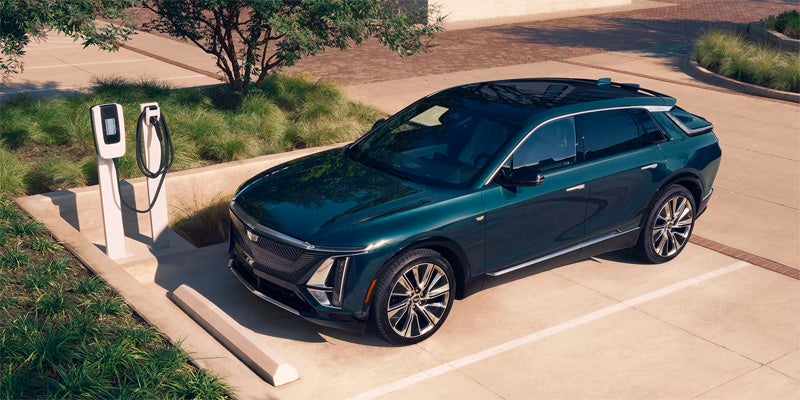
The Cadillac LYRIQ represents a bold step into the future of luxury electric vehicles, combining Cadillac’s renowned comfort with cutting-edge electric technology. This review provides an in-depth look at the LYRIQ, covering everything from inventory options to performance metrics.

Inventory and Purchasing Options

New, Used, and Certified Pre-Owned (CPO)

Ross Downing Cadillac offers a range of LYRIQ options to suit various preferences and budgets:

  1. New LYRIQs: Experience the latest in Cadillac’s electric innovation.
  2. Used LYRIQs: Find quality pre-owned models at competitive prices.
  3. Certified Pre-Owned (CPO) LYRIQs: Enjoy like-new quality with additional warranty coverage.

Custom Build and Price Options

For those seeking a personalized touch, Cadillac offers a custom build option. This allows buyers to tailor their LYRIQ to exact specifications, from trim levels to interior finishes.

Finance and Leasing Options

Ross Downing Cadillac provides flexible financing solutions:

  • Traditional financing with competitive rates
  • Lease options for those preferring lower monthly payments
  • Special financing offers for qualified buyers

Trim Levels and Features

The 2024 Cadillac LYRIQ is available in three main trim levels, each offering a unique blend of luxury and technology:

  1. Tech: The entry-level trim that’s anything but basic.
    • LED headlamps and taillamps
    • 20-inch split 6-spoke alloy wheels
    • Manual cruise control
  2. Luxury: Available in three sub-levels (1, 2, and 3)
    • Bright exterior accents
    • Available panoramic power sunroof
    • Available heated second-row seats
    • Available tri-zone automatic climate control
  3. Sport: Also available in three levels (1, 2, and 3)
    • Dark exterior accents
    • Inteluxe seats with perforated inserts
    • 20-inch dynamic 12-spoke alloy wheels (22-inch available on Sport 3)

Pricing

The 2024 Cadillac LYRIQ’s starting MSRP ranges from approximately $57,195 for the base Tech trim to $73,195 for the top-tier Sport 3.

Pricing Disclaimer: Prices may vary based on options, dealer fees, and market conditions. Please contact Ross Downing Cadillac for the most accurate and up-to-date pricing information.

Color Options

Exterior Colors:

  • Radiant Red Tintcoat
  • Black Raven
  • Crystal White Tricoat
  • Dark Moon Blue Metallic
  • Argent Silver Metallic
  • Galactic Gray Metallic
  • Emerald Lake Metallic
  • Nimbus Metallic
  • Celestial Metallic

Interior Colors:

  • Noir (Black)
  • Sky Cool Gray
  • Oxford Stone (with Nappa Leather Package)
  • Juniper (with Nappa Leather Package)

Seating Capacity and Interior Space

The LYRIQ offers a spacious interior for five passengers across two rows. Key interior dimensions include:

  • Front Headroom: 38.6 inches
  • Rear Headroom: 37.7 inches
  • Front Legroom: 44.3 inches
  • Rear Legroom: 39.6 inches
  • Cargo Space: 28.0 cu ft (seats up), 60.8 cu ft (seats folded)

Specifications and Performance

Powertrain Options

  • Standard: Single motor, Rear-Wheel Drive (RWD)
  • Available: Dual motor, All-Wheel Drive (AWD)

Range

  • RWD: Up to 312 miles on a full charge
  • AWD: Up to 307 miles on a full charge

Performance Metrics

  • 0-60 mph: Approximately 6.5 seconds (RWD), 5.0 seconds (AWD)
  • Horsepower: 340 hp (RWD), 500 hp (AWD)
  • Torque: 325 lb-ft (RWD), 450 lb-ft (AWD)

Dimensions

  • Length: 196.7 inches
  • Width: 77.8 inches
  • Height: 63.9 inches
  • Wheelbase: 121.8 inches

Charging Capabilities

  • DC Fast Charging: Up to 190 kW, adding up to 76 miles of range in about 10 minutes
  • Level 2 AC Charging: Up to 19.2 kW, fully charging in approximately 6 hours

Key Features and Technology

Infotainment and Connectivity

  • 33-inch curved LED display
  • Wireless Apple CarPlay and Android Auto compatibility
  • Google Built-In with Google Assistant, Google Maps, and Google Play
  • Available 19-speaker AKG Studio sound system
  • 5G Wi-Fi hotspot capability

Advanced Driver Assistance Systems

  • Standard Automatic Emergency Braking
  • Available Super Cruise hands-free driving technology
  • Available 360-degree camera system

Luxury Amenities

  • Available massaging front seats
  • Customizable ambient lighting with 26 color options
  • Active Noise Cancellation for a quieter cabin

Reliability and Ownership Experience

While the LYRIQ is a relatively new model, Cadillac’s commitment to quality suggests promising reliability. The vehicle comes with:

  • 4-year/50,000-mile bumper-to-bumper warranty
  • 8-year/100,000-mile electric vehicle component warranty
  • 3-year/36,000-mile complimentary maintenance

Target Audience

The Cadillac LYRIQ appeals to a diverse range of discerning customers:

  • Luxury EV enthusiasts seeking cutting-edge technology
  • Environmentally conscious luxury buyers
  • Tech-savvy professionals desiring a premium, connected driving experience
  • Cadillac loyalists looking to transition to electric without compromising on luxury

Tax Credit Eligibility

The 2024 Cadillac LYRIQ is eligible for the full $7,500 federal tax credit, subject to certain conditions:

  • The vehicle must be assembled in North America
  • Battery components and critical minerals must meet specific sourcing requirements
  • Buyer’s income must not exceed certain thresholds

It’s important to note that tax credit eligibility can change, and buyers should consult with a tax professional for the most up-to-date information.

Charging Infrastructure and Costs

While the LYRIQ cannot directly charge at Tesla Supercharger stations, Cadillac has partnered with EVgo to provide a network of charging options. Additionally, the recent agreement between GM and Tesla will allow LYRIQ owners to access Tesla Superchargers with an adapter in the near future.

Charging costs can vary significantly depending on location and charging speed:

  • Home charging typically costs $10-$15 for a full charge
  • Public Level 2 charging stations may cost $0.20-$0.30 per kWh
  • DC Fast Charging can range from $0.30-$0.60 per kWh

Some locations offer free charging, including certain workplaces, shopping centers, and Cadillac dealerships during service visits.

The Cadillac LYRIQ represents a compelling option in the luxury electric SUV market, offering a blend of style, technology, and performance that positions it well against competitors like the Tesla Model Y and Audi e-tron. As Cadillac’s first all-electric offering, it sets a high bar for future models and demonstrates the brand’s commitment to an electrified future.
Posted in:

Related Posts

Which Cadillac Escalade Model Is Best for You in 2026

Which Cadillac Escalade Model Is Best for You in 2026

Which Cadillac Escalade model is best for you when your family needs more room without wasting space? Start with passenger count, cargo needs, and row access. Therefore, the decision should begin with how your household uses all three rows. Standard Escalade and Escalade ESV share the same basic seating concept. However, ESV adds rear passenger room and much more cargo space behind row three. Those differences can shape school runs, road trips, sports travel, and stroller storage. Start With Passenger Count and Row Access How many seats does your family need every week? Seating fit includes passenger count, child seat placement, and access between all three rows. Therefore, the first decision is not body length. It is how people will move through the cabin. Current Escalade configurations can seat up to eight people. However, seating layout changes how row two and row three work together. A second row bench preserves an extra seating position. By contrast, captain's chairs create a center walkway toward row three. Before choosing a layout, consider how your family enters, exits, and moves between seats. A second row bench keeps another seat available when your household regularly carries more passengers. Captain's chairs create a center aisle that can make row three access simpler for older children or adults. Child seat placement should leave a workable path for passengers who still need to reach the third row. In addition, think about which passengers need the easiest door access. Younger children may stay in row two, while older children may use row three. Therefore, your seating arrangement should reflect the trips your family makes most. When Standard Escalade Has Enough Space When does standard Escalade provide enough family space? It combines three rows with 25.5 cubic feet of cargo room behind row three. Therefore, families can keep every row upright while retaining a separate rear storage area. Standard Escalade also provides 34.9 inches of third row legroom. That measurement gives rear passengers dedicated knee space within the shorter body. However, cargo needs become the more important question when every seat stays occupied. A stroller, sports bags, groceries, or several suitcases can use the rear compartment quickly. Therefore, measure the items your family carries together most frequently. One large stroller may matter more than a long list of smaller bags. The shorter body can also fit more easily into certain garages or parking areas. In addition, the standard length may suit households that rarely fill the rear cargo area completely. Families using row three only on certain trips may find this format easier to manage. For this reason, standard Escalade deserves a full review before moving directly to ESV. Passenger count alone does not require the longer body. When Escalade ESV Makes More Sense When does Escalade ESV make more sense? It adds third row legroom and far more cargo room behind the last row. Therefore, the strongest case for ESV appears when passengers and luggage travel together. Escalade ESV provides 36.7 inches of third row legroom. That gives rear passengers 1.8 additional inches beyond standard Escalade. In addition, cargo volume behind row three rises to 41.5 cubic feet. That rear cargo increase is 16 cubic feet. Therefore, ESV changes more than exterior length. It gives families much more storage while keeping all three rows available. This space can matter when your family carries a stroller, sports gear, luggage, or bulky shopping bags. Moreover, long trips can combine several of those items at once. ESV gives you more room before any passenger seat must fold. The tradeoff is a longer exterior footprint. Therefore, garage depth and regular parking locations still deserve attention. Measure your available space before assuming the larger body will fit comfortably. Which Cabin Features Matter Most for Family Travel Which Escalade features matter most during family travel? Driver assistance, rear passenger media, and seating equipment can change how long trips feel. Current Escalade models include Super Cruise. The feature supports hands free driving on compatible roads while requiring driver attention. Therefore, families planning frequent highway travel may want to understand where the feature operates and what supervision it requires. Available rear entertainment provides another family focused option. Dual rear displays give second row passengers dedicated screens. In addition, power seating functions can reduce the manual effort needed when changing passenger or cargo arrangements. Still, feature value should connect with your household routine. A family taking frequent road trips may use rear screens more than a family making short local trips. By contrast, easier row access may matter every day. Therefore, spend time inside the cabin before choosing equipment. Test seat movement, third row entry, screen placement, and cargo access with your normal passenger routine in mind. Matching the Escalade Configuration to Your Family Which Cadillac Escalade model is best for you? The answer comes from passenger count, cargo demands, parking space, and travel patterns. Start with the space you need while every passenger seat remains available. Then compare that requirement with your garage, driveway, and regular parking areas. These two configurations serve different family space priorities: Standard Escalade suits families that need three rows but can work with 25.5 cubic feet behind row three. Escalade ESV suits families that need more third row room and 41.5 cubic feet behind the last row. Either body style can work when seating layout, row access, and daily cargo needs match your household routine. In addition, bring real items into your comparison whenever possible. A stroller, child seat, sports bag, or large suitcase can reveal more than measurements alone. Ross Downing Cadillac can show you standard Escalade and Escalade ESV configurations in Hammond. Therefore, you can compare row access, third row space, and rear storage in person. Sit in every row and open the cargo area with all seats upright. That gives your family a clear way to choose the Escalade size that fits the life you already lead.

Cadillac XT4 vs XT5 Interior Space and Cargo Comparison

Cadillac XT4 vs XT5 Interior Space and Cargo Comparison

Cadillac XT4 vs XT5 gives shoppers two five-passenger SUVs with noticeably different footprints. Both provide flexible seating for daily travel. However, the size gap appears most clearly in cargo room and exterior length. Passenger measurements tell a more detailed story. Therefore, comparing each dimension separately gives you a clearer way to choose between them. Where XT4 and XT5 Differ in Exterior Size How much larger is the XT5 than the XT4? The XT5 is longer overall and carries a longer wheelbase. Cadillac lists the XT5 at 189.6 inches long. The XT4 measures about 181 inches long. Therefore, the difference is close to nine inches. That extra length changes how each SUV fits into garages, curbside spaces, and tighter parking areas. The shorter XT4 needs less room from bumper to bumper. However, the XT5 uses its larger body to provide more rear cargo volume. Wheelbase also shapes the overall footprint. A longer wheelbase can provide more space for cabin and cargo packaging. Still, exterior length does not translate evenly into every interior measurement. For this reason, exterior dimensions should be reviewed beside cabin measurements. A shopper with a compact garage may value the XT4 footprint. Someone carrying larger loads may prefer the extra length of the XT5. How Passenger Space Compares Does the XT5 give passengers more room in every measurement? No, passenger space changes by seating position and measurement. Both Cadillac SUVs seat five people. Front and rear legroom stay relatively close. However, shoulder room and hip room create a larger separation between the two cabins. Several measurements show where those differences appear: XT4 rear legroom: The XT4 provides about 39.5 inches, giving second-row passengers substantial knee space. XT5 rear legroom: The XT5 provides about 39 inches, keeping the legroom difference very small. XT5 rear hip room: The XT5 provides more side-to-side seating width across row two. Therefore, someone focused only on legroom could miss an important part of the comparison. Rear-seat width matters when three passengers share the second row. It also matters when child seats occupy more than one seating position. Headroom and shoulder room add more context. Consequently, the cabin should be evaluated as a group of measurements, not through one number. Why Rear Legroom Is So Close Why does the XT4 have slightly more rear legroom? Exterior length gets distributed across several parts of an SUV. A longer body can add space to the cargo area, front structure, seating package, or wheelbase. Therefore, a larger exterior does not guarantee more legroom in every row. The XT4 uses its cabin packaging efficiently. Its 39.5 inches of rear legroom stays close to the XT5 measurement. However, the XT5 gives more space in several width measurements. This distinction matters for different passenger routines. Adults may notice knee room first. Families using multiple child seats may care more about rear hip and shoulder space. In addition, seat shape and seating position change how measurements feel in person. Two cabins with similar legroom can still feel different once passengers sit inside. For this reason, sit in row two during a dealership visit. Move the front seat to your normal position first. Then check knee clearance, door access, and space across the bench. Where XT5 Gains the Most Cargo Room Where does the XT5 gain the most usable space? The largest measurable gap appears in rear cargo volume. The XT4 provides 22.5 cubic feet behind row two. The XT5 provides 30 cubic feet in the same seating setup. Therefore, the XT5 adds 7.5 cubic feet while all five seats remain available. That gap grows after the second row folds. XT4 maximum cargo volume reaches 48.9 cubic feet. XT5 maximum cargo volume reaches 63 cubic feet. Consequently, the difference expands to 14.1 cubic feet. Those figures matter when your normal load includes larger or taller items. Common examples include luggage, strollers, sports equipment, pet crates, or home supplies. The cargo comparison becomes easier when you match the numbers with your normal routine: Choose the XT4 for a smaller footprint: It keeps five-passenger seating while requiring less exterior space. Choose the XT5 for larger rear storage: It provides more cargo room with row two upright or folded. Compare both with row two folded: This shows the larger storage gap for bulky weekend or travel items. Cargo shape matters alongside total volume. Therefore, examine liftgate opening height, floor length, wheelhouse intrusion, and rear seat folding in person. Matching the Footprint to Your Space Needs Cadillac XT4 vs XT5 becomes easier to evaluate when you separate parking space from passenger and cargo space. The XT4 asks for less exterior room. The XT5 gives you a larger rear storage area. Which footprint fits your parking and cargo routine better? The answer comes from the space you use most frequently. A tighter garage or dense parking area may favor the shorter XT4. However, regular luggage, stroller, or equipment loading may point toward the XT5. In addition, bring your own measurements when garage clearance matters. Measure usable garage depth instead of relying only on the door opening. You can also bring a stroller or common cargo item during a dealership visit. Ross Downing Cadillac can place the two SUVs side by side for a direct comparison. Open both liftgates and sit in both rows. Then compare the exterior footprint with the space you will use every week. That approach keeps the choice tied to your parking, passenger, and cargo needs.

2025 Cadillac Escalade IQ Range and Interior Guide

2025 Cadillac Escalade IQ Range and Interior Guide

The 2025 Cadillac Escalade IQ range gives electric SUV shoppers a concrete starting point before comparing charging and cabin space. Cadillac lists an estimated 460 miles from a full charge. That figure sits beside a battery holding more than 200 kWh of energy. Therefore, range, charging speed, passenger room, cargo space, and vehicle mass deserve separate review before a decision. What the 460 Mile Range Figure Means What does the 460 mile Escalade IQ range figure represent? It represents Cadillac's estimated distance from a full battery charge under its stated testing method. In addition, the battery stores more than 200 kWh of energy for the dual motor electric drive. That large reserve supports the published distance across a full charge. However, a specific trip can return a different result. Moreover, speed, elevation changes, cabin climate use, payload, and route shape can change energy demand. Therefore, the published figure works as a reference point for planning. It is not a fixed promise for every trip. Beyond that, independent testing shows why test method matters. Edmunds recorded 558 miles during its controlled road test. That result does not replace Cadillac's estimate. Instead, it shows how route design and testing method can produce another number. With that in mind, consider how the estimate fits your normal routes. Compare your usual weekly miles with available home and public charging. Then, consider longer trips where charging stops become part of the route plan. How Escalade IQ Charging Works How quickly can the Escalade IQ add range? Charging speed changes with the power source and the charging equipment connected to the vehicle. In addition, DC fast charging sends direct current toward the battery at a public charging station. Cadillac lists a maximum rate of 350 kW under suitable charging circumstances. Level 2 charging uses alternating current through the onboard charger. Therefore, the main charging paths serve different routines: DC fast charging: Public high output stations can add substantial energy during a road stop. The battery must also be ready to accept that power. 11.5 kW Level 2 charging: This home charging rate suits overnight replenishment after commuting or local travel. 19.2 kW Level 2 charging: Available higher output charging can shorten home charging time when the electrical setup supports it. A maximum charging rate does not remain constant through the entire session. Battery state of charge and temperature shape how much power the pack accepts. Therefore, the fastest portion of a charging session may occur within a limited battery range. For this reason, electrical service deserves the same attention as charger selection for home planning. A qualified installer can confirm whether the property can support the intended Level 2 equipment. That review matters with a battery this large. How the Three Row Interior Is Arranged The 2025 Cadillac Escalade IQ interior has three seating rows for seven passengers. Cadillac lists 45.2 inches of front legroom and 41.3 inches in row two. Third row legroom measures 32.3 inches. How much space does each seating row provide? The published measurements show a roomy first two rows with a tighter third row. Because total passenger count lacks row detail, those measurements deserve separate attention. Therefore, families should evaluate the second and third rows separately. Seat position, child seats, and passenger height can all change how the cabin feels. An available upgraded second row changes the middle cabin further. It adds individual seating and dedicated rear cabin equipment. However, shoppers should compare that arrangement with their usual passenger mix before choosing it. In addition, the front cabin centers on a 55 inch Horizon Display. That wide screen spans much of the dashboard area. It creates a distinct control and information layout beside more conventional instrument panels. How Cargo Space Changes With Each Row Consequently, cargo planning changes as seats fold or remain upright. Cadillac lists 23.6 cubic feet behind the third row. Space expands to 69.1 cubic feet behind the second row. With rear seating folded, maximum rear cargo volume reaches 119.2 cubic feet. Moreover, the Escalade IQ adds storage under the front hood. Cadillac calls this area the eTrunk, with up to 12.2 cubic feet of volume. These measurements give shoppers several useful reference points: All three rows in place: The 23.6 cubic foot rear area holds luggage while keeping all seven seats available. Third row folded: The 69.1 cubic foot area opens more room for larger loads while preserving second row seating. Rear rows folded: The 119.2 cubic foot maximum supports bulky cargo when passenger seating is less important. Where does luggage go when every seat is occupied? The rear compartment remains available, and the front eTrunk adds another separate storage area. That front compartment can be useful for charging cables, smaller bags, or items you want separated from rear cargo. Therefore, total storage planning should include both ends of the vehicle. Why the Escalade IQ Weighs More Than 9,000 Pounds Why is the Escalade IQ curb weight above 9,000 pounds? Curb weight measures the vehicle with standard fluids and equipment, but without passengers or cargo. Independent testing placed the Escalade IQ near 9,120 to 9,134 pounds. Several physical factors contribute to that mass. The battery pack carries more than 200 kWh of stored energy. The body also stretches 224.3 inches in overall length. In addition, electric drive hardware adds motors, power electronics, cooling hardware, and high voltage components. The three row body also carries substantial structure, glass, seating, displays, and suspension hardware. That weight figure deserves context because it connects directly with vehicle scale. It does not stand alone as a quality judgment. Instead, it reflects the battery, structure, electric drive hardware, and cabin volume packaged into one large SUV. For this reason, curb weight is another specification worth reading beside range and dimensions. It can shape questions about tires, towing limits, road feel, and garage fit. Therefore, review the complete specification set before treating any single number as decisive. Ross Downing Cadillac can show you the Escalade IQ in person. You can compare the published numbers with the cabin itself. Bring your normal passenger count, cargo needs, home charging questions, and typical trip distance into that visit. Those details make the published specifications easier to connect with your own plans.