


Choosing between the 2026 Cadillac CT4 and CT5 comes down to how you drive, how much space you need, and what kind of performance character you expect from a modern luxury sedan. While both models are built on Cadillac’s rear wheel drive based architecture and share a similar design language, they are engineered to serve different priorities in daily ownership.
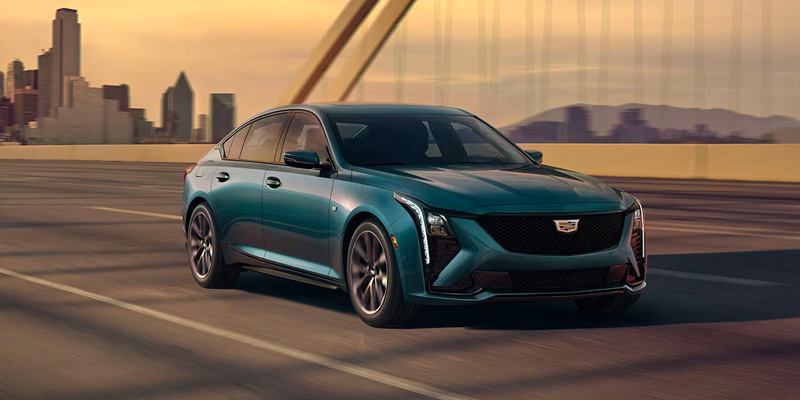
This comparison explains how the CT4 and CT5 differ at a system level, focusing on platform size, powertrain behavior, suspension tuning, interior space, and real world usability so buyers can make an informed decision.
Platform Size and Driving Feel
The most fundamental difference between the CT4 and CT5 is platform scale.
The CT4 is positioned as a compact luxury sedan. Its shorter wheelbase and lighter curb weight contribute to a more agile driving feel, particularly in city traffic and on tighter roadways. Steering response is quicker, and the chassis reacts immediately to driver inputs. This results in a sedan that feels engaging and easy to place, especially for drivers who value precision over isolation.
The CT5 moves into the midsize luxury sedan segment. A longer wheelbase and wider track provide improved straight line stability and a smoother ride over uneven pavement. At highway speeds, the CT5 feels more composed and settled, with less vertical movement over expansion joints and rough surfaces.
In everyday use this translates to:
- CT4 prioritizing maneuverability, responsiveness, and ease of parking
- CT5 prioritizing ride comfort, passenger space, and long distance stability
Engine Options and Power Delivery
Cadillac differentiates the CT4 and CT5 clearly through their available engine lineups.
The CT4 is powered primarily by a turbocharged 2.0L four cylinder engine. This powertrain is tuned to deliver strong low end torque, allowing the vehicle to feel responsive during stop and go driving and light acceleration without requiring high engine speeds. Power delivery is smooth and controlled, supporting efficiency and balanced performance. Available all wheel drive adds confidence in varying road conditions.
The CT5 offers a broader range of performance capability. In addition to a turbocharged four cylinder option, the CT5 is available with a twin turbocharged 3.0L V6. This engine provides a significant increase in horsepower and torque, particularly at higher speeds. The result is stronger highway passing power and reduced engine strain during sustained driving.
From a real world perspective:
- CT4 engines emphasize efficiency and agility
- CT5 engines, especially the V6, emphasize effortless acceleration and sustained performance
Suspension Tuning and Ride Quality
Although both sedans share a rear wheel drive foundation, suspension calibration differs to align with each model’s purpose.
The CT4 suspension is tuned with a firmer baseline, allowing more road feedback through the steering wheel and chassis. This enhances driver engagement and provides a sport oriented feel. Sport focused trims further sharpen suspension response and steering weight, reinforcing the CT4’s performance leaning character.
The CT5 suspension is calibrated with greater emphasis on ride isolation and balance. Even when equipped with sport oriented packages, the CT5 absorbs road imperfections more effectively. The longer wheelbase allows the suspension to manage bumps with less cabin disturbance, contributing to a calmer driving experience over longer distances.
Drivers often notice:
- Less rear seat movement in the CT5
- Reduced fatigue during extended highway travel
Interior Space and Comfort Differences
Interior design language is consistent across both models, but physical dimensions significantly affect comfort.
In the CT4, the cabin feels driver focused. Front seating offers supportive bolstering and an intimate cockpit layout. Rear seat space is suitable for occasional adult passengers, but legroom is more limited. Trunk capacity supports daily errands and light travel needs.
The CT5 benefits from its midsize footprint. Rear seat legroom and shoulder room are improved, making it more accommodating for adult passengers on longer trips. The wider cabin creates a more open feel, and the overall layout supports both driver comfort and passenger usability.
Both sedans feature Cadillac’s modern infotainment system with wireless smartphone integration and available driver assistance technologies. Interface design and functionality are similar, though higher CT5 trims may include additional comfort and convenience features.
Luxury and Sport Trim Philosophy
Trim selection plays a critical role in shaping the driving experience.
Luxury oriented trims focus on:
- Softer suspension tuning
- Increased sound insulation
- Comfort focused seating materials
Sport oriented trims introduce:
- Performance tuned suspension components
- Heavier steering calibration
- Sport specific exterior and interior accents
Because the CT5 begins with a more comfort oriented foundation, its sport trims maintain a higher level of ride refinement compared to similarly equipped CT4 models.
Ownership Expectations and Daily Use
Lifestyle considerations often determine which sedan is the better fit.
The CT4 is well suited for drivers who:
- Prefer a compact luxury sedan with responsive handling
- Drive primarily solo or with one passenger
- Value engagement and agility over maximum cabin space
The CT5 is better aligned with drivers who:
- Prioritize interior room and ride comfort
- Spend significant time on highways or long commutes
- Want access to higher output engine options
Both vehicles benefit from Cadillac’s focus on chassis balance, steering precision, and modern powertrain engineering.
Final Perspective
The 2026 Cadillac CT4 and CT5 are designed for different drivers, not different budgets. The CT4 delivers compact luxury with a sport focused personality, while the CT5 offers expanded space, smoother ride quality, and greater power availability.
Understanding how platform size, engine options, and suspension tuning affect real world driving is essential to choosing the Cadillac sedan that best matches your daily needs and long term expectations.
Connect with us